We left our flat in Triq L Argotti and walked along linear park called The Mall to the City Gate, the very grand entrance to Valletta. Turning right past the Parliament Building we walked through Upper Barrakka Gardens to get the lift down to the waterfront.
The Lift from Upper Barraka Gardens to the waterfront
At the Fast Ferry terminal we joined the queue for the ferry to Gozo, a big catamaran with room for hundreds of passengers.
It took 45 minutes of sailing along the east coast of Malta to reach the island of Gozo. From the harbour at Mgaar we took a 101 bus up to the small capital. In true Maltese style it has two names, the original name of Rabat and the Colonial name of Victoria.
Our flat has a great view of the Citadel a few hundred metres away, and is very conveniently almost next to Andy’s Supermarket, very handy for cold Cisk lager and other necessities.
It’s a steep climb to the Citadel which is on a crag overlooking the town. It has been fortified in one form or another since the Bronze age. The current Il Kastell dates from the 15th century, but with considerable improvement by the Knights. The population suffered from raids by Turkish corsairs for hundreds of years, and the population of Rabat went into the citadel every night.
The Citadel of Rabat, as viewed from our terrace
Corsairs are maritime raiders who are licensed by a country, so Turkish corsairs attacked Christian settlements all around the Mediterranean on behalf of the Sultan. The corsair Dragut became Governor of Tripoli and was killed at the Great Siege of Malta. The Knights were Christian corsairs, and attacked Turkish shipping and took slaves. France Drake was an English corsair working for QE1, and making a few quid for himself. Pirates like Blackbeard only worked for themselves, and attacked all shipping.
The Citadel is big and impressive, and offers great views over the Gozo countryside. The cathedral looks a bit strange because the dome was never completed. The Maltese love a big church, honestly I have never seen so many huge Houses of God, He must be very pleased with his devout followers.
At the foot of the citadel walls is the oldest part of Rabat, with narrow quiet streets of pretty houses that look similar to those in Mdina and the other Rabat in Malta. The more modern parts of the town are made up of blocky flat roofed houses with quite rough roads and minimal footpaths, not very attractive. Our flat was on the fourth floor of a modern block, and the road to it had terrible footpaths, it was unpleasant to reach it by foot. The locals drive at about 40 mph around town, basically as fast as they can, and the traffic can be very busy.
Julie had a slightly upset tummy and didn’t want to eat, so I had a can of baked beans for dinner. Yummy.
Tuesday 23 September
We did our research in the guidebook and online and decided to try Ramla beach, allegedly the best beach on Gozo. The 102 bus took us through the outskirts of Rabat/Victoria , through Xewkija (no, I don’t know how to pronounce it) to a stop a few hundred yards from the beach. Maltese bus drivers seem to drive as fast as they can, so it can be quite exciting at times.
Ramla beach did not disappoint us, it is a wide stretch of soft orangy sand like you get in Devon. There are three cafes and some clean toilets, but the cafes don’t open until 11 and we arrived at about 9.20.
Ramla Beach
We got an umbrella and two recliners for 21 euros, worth the investment because it was Scorchio! The bed man carried them to the waters edge and we settled in for the day. It was gorgeous, a fantastic view of a calm blue sea and lovely warm water. I went snorkeling a couple of times and saw lots of small fish a few centimetres long, but nothing interesting.
Daniel Craig at Ramla Beach. Maybe.
It was great just reading our Kindles and phones, and passing comments on people who went past on the waters edge. Tattoos and unsuitable swimwear are always great topics for comments such as “ I would be very disappointed if one of my children came home with one of those on his/her leg” and “look at that costume, I have seen thicker dental floss”.
Just after 11 we got breakfast at Rosa’s cafe, we both had egg, bacon and fried onion Ftira. It’s basically a big bap which was enough for breakfast and lunch.
Julie and the Giant Sandwich
I would give Ramla beach top marks for quality and convenience. The returning bus to Victoria Bus Station felt like it was being driven by Lewis Hamilton, and took 17 minutes to get back.
After scoffing a delicious ice cream at Vanilla +, we discovered a shopping centre with a huge Greens Supermarket in the basement, the best shop I have come across in Malta.
The citadel is a delightful place to be at sunset when the sky is pink and you can see the sea at different sides of Gozo.
The Citadel by night
The Pjazza San Gorg in the old town is a a good place to go for dinner. There are several restaurants around the square in front of the Basilica San Gorg. Unfortunately it was bell ringing practice that night. The bells are great for the first 15 minutes, but after 50 minutes it was getting very irritating. There are two bell towers at the front of the cathedral with two guys swinging the “clangers”, but they weren’t swinging them in time, it just sounded like random bongs that went on and on and on.
Two bell towers and two out of time bells
Wednesday 24 September
Well it’s been an interesting day.
After consulting the guide book we decided to visit Marsalforn, which is a short bus ride away on the east coast. We caught the 310 bus in Capuchin Street and the bus tore along the rural road, slowing slightly in a village on the way.
Marsalforn is a resort town around a bay. There is a small sandy beach, lots of cafes and restaurants, and many many ugly blocks of holiday flats. It was very quiet, with and had an end of season vibe. However we found a nice spot on the beach and I went for a swim. The water was warm and there were lots of tiny fish, nice. A small group of ladies with hats on bobbed around in the sea together chatting for at least an hour. The water is very bouyant, so it takes no effort to just float.
But about three hours of Marsalforn was enough, so we went back to Victoria on the 310.
In the afternoon I went back to the Citadel and visited the Visitors Centre, the Old Prison, the Natural History Museum and The Historic House. You can get round all of them in about 90 minutes, and they are about as good as a small town museum in England, I would give them an E for Effort. The Historic House was the most interesting. It is a combination of five old dwellings with old furniture in it, like a low-rent National Trust house.
A “typical bedroom”, looks a bit shit to me
In the evening there was a thunderstorm, which was fun to watch on our terrace, until it started raining really really hard. The terrace flooded and then started coming in under the sliding windows. The lounge started filling up, so we got out the mop and bucket and towels to collect water off the floor. While Julie was mopping, I went out on the terrace and stamped on the drain until water started going down it. I think it was bunged up. After mopping 4 buckets (about 20 litres) of water off the floor of the lounge, the rain eased off.
Mopping the lounge during the storm
That’s never happened in and AirBnB before, normally they don’t leak in a big way.
Friday 25 September
A taxi picked us up from our flat, because we didn’t want to drag our bags up hill to the bus station. We took 09.45 fast ferry to Valletta and a 13 bus to Sliema. I have grown fond of the Maltese bus system, its efficient and 2.5 euros for every trip.
The Sliema Marina Hotel overlooking Marsamxett harbour is not luxuious, but it is convenient, on the waterfront close to the ferries.
Once we got settled in we walked across the peninsula to the massive Fort Cambridge development towards St Julian Bay. In places Sliema looks like Dubai, with massive blocks of modern flats overlooking the sea, and some of them cost over £2,000,000.
Fort Cambridge shopping centre
The seafront around St Julians Bay is very attractive, with lots of restaurants and bars facing the sea. There are also lots of bathing “beaches”, except there is no sand. You can sunbath on bare limestone ledges, and the walk (carefully) into the sea. I took a dip at Fond Ghadir, the sea was warm and slightly rough, but very pleasant to swim in. There were a few small fish, but nothing interesting.
Fond Ghadir “beach” there ain’t no sand
At the corner of Baluta Bay I took 10 seconds to look at a menu outside of a bar and a nice young man asked if I wanted a cocktail.
No you dirty minded bastard, not in that way!
We were both easily persuaded and went into Piccolo Padre for 2 for 1 cocktails, and selected Margaritas. The food menu looked persuasively good, so I had Seafood Risotto and Julie had Frito Misto. There was enough food to feed 4 hungry pescatarians, and we needed more cocktails to wash it all down.
Fishy Feast
We left there intending to continue our tour of St Julians on a sunny afternoon.
Piccolo Padre on the lowest floor
After several minutes hard walking we came across another bar overlooking the bay with a 2 for 1 offer. It was hot, we were thirsty, and at £4 a cocktail it was daft not t0. So we had a Mojito followed by a Long Island Ice Tea.
In a party mood by then, we walked onto Paceville, the throbbing heart of youth culture in the area. After about 5 minutes we decided we were at least 40 years too old and got the bus back to hotel.
Reasons to Visit Malta
It is easy to fly to
Its very hot and the sea water is warm
Everyone speaks English
The food is mostly Italian, but kebabs are widely available
The people are friendly
Its small but there is a lot of things to see and do
Across the Grand Harbour from Valletta are the Three Cities of Senglea, Birgu and Kalkara, which occupy promontories reaching out into the harbour. To reach Senglea we walked to Floriana bus station and took the No. 1 bus.
Three Cities of Senglea, Birgu and Kalkara
Like most places in Malta, Senglea is heavily fortified. After the Ottomans had laid siege to Malta, the Knights of St John put enormous walls and gun platforms around every major settlement. The Knights really annoyed the Ottomans by taking as many of their merchant ships as they could, Malta was a real hornets nest to them.
Senglea is entered through massive gates, and beyond is a grid of very quiet streets. All the houses are typical Maltese, with enclosed wooden bay windows on the first floor supported by stone corbels. It all looks ancient, but in fact 75% of the houses were destroyed in the War, so most homes are reconstructed. We went into the massive domed basilica, all the churches in Malta are huge. Inside it is clad in marble, red velvet and gold leaf. There are huge chandeliers hanging from the ceiling, it probably looks like the White House will in a couple of years time. Sumptuous Baroque would describe the style. But most of the church was bombed during the war and it was rebuilt in the 1950s.
Senglea Balsilica
The streets are very quiet and peaceful, with a few small local shops, it feels like a village rather than a city.
A quiet street in Senglea
Walking down a side street we looked over a dry dock that held an enormous sailing yacht which was discovered (by using Google Lens) is called Eon and is owned by a media billionaire called Barry Diller. It’s 94 metres long, and its masts towered over the houses.
At the tip of Senglea is a little garden with a small guard tower overlooking the harbour called La Guardiola, which has a stone ear on it.
Senglea has hardly any cafes or restaurants, it really is a quiet village. There are a few places to eat on Dockyard Creek, facing Birgu.
We walked around the shore of Senglea to the next of the Three Cities called Birgu or Vittoriosa. Its original name was Birgu, but it held out against the Turks in the Great Siege and was renamed Vittoriosa by the Knights. It was the original capital of the Knights before Valetta was built.
The Knights of St John
A bit of background on the Knights of St John (or kehniggats as Monty Python would call them). They were founded in 12th century Jerusalem as Knights Hospitaller to care for poor pilgrims on their way to the holy sites in Palestine. They then took up arms to protect pilgrims against Islamic forces and became increasingly powerful and built some big castles including Crac de Chevalier in Syria. They were booted out of The Holy Land by the Islamic forces, and settled on the island of Rhodes in the 14th century, which they then fortified. They had a fleet of ships which harried Ottoman shipping and generally pissed off the Turks. They were rich because the Knights owned estates all over Europe (including at Hampton Court) and got a lot of support from monarchs and the Popes for fighting Islam on their behalf. They annoyed the Turks so much they set siege to Rhodes in 1522 with 200,000 men and some very big cannons. The Knights retreated once again to Sicily first and then the Pope gave them Malta in 1530. Once again they fortified it and made their capital in Birgu to begin with, before they built Valletta, which was named after their Grand Master Jean de Vallette. They stayed in Malta until 1798 when Napoleon occupied it on his way to Egypt. The French had Malta for a few months until the British Navy took it from them. Hoorah! It was “ours” until 21 September 1964 when Malta became independent.
Jean de Vallette
Birgu is bigger than Senglea and has a bit more to see. We visited the Inquisitors Palace, which was where the Roman (not Spanish) Inquisition was based. In the 17th century if you didn’t conform to Catholic rules you could face the Inquisition, which was a religious court. Most people got a good telling off, some went to prison, occasionally people were tortured to get a confession and then executed. All pretty standard stuff for the time. It a moderately interesting museum, but is a great place to go when its 30 degrees outside!
At the tip of the island is the massive Fort St Angelo, a huge castle guarding the harbour which was a military base until the British Navy left in 1979. During the war it had cannons and anti aircraft guns. There are some rooms showing short histories of the Fort and the action it saw in the war.
If you want to know more about Malta in WW2, read Fortress Malta by James Holland. It can be a tough read since many of the pilots and submarine crew don’t survive, but the courage and fortitude of the Maltese and British forces is incredible. Malta was the most bomber place in the war.
Our friends were staying in the next of the Three Cities, Kalkara. They had a quirky flat with a great view over the harbour and Valetta in the distance. We didn’t see much of Kalkara, but did have some very good G&Ts.
On our walk back to the water taxi in Birgu we went past a big gathering of locals beneath the walls of Fort St Angelo. They had all gathered for a Super Bingo night, which only happens once a month for Big Cash Prizes.
Super Bingo Night in Birgu
Saturday 20 September
Valletta has something interesting around every corner. This morning we walked past the impressive Parliament building and the ruined Opera House towards Upper Barraka Gardens. I spotted a building called the Spazju Kreativv which I think means Creative Space. It is a repurposed fort built but the Knights of St John, and it has incredibly thick stone walls. It was displaying photos by John Agius, British-born but of Maltese heritage.
He took photos of celebrities for magazines, and they were brilliant, all his subjects.looked beautiful and glamorous. But his pictures of men were the wittiest, especially Bill Nighy and Ewan McGregor.
I was itching to see more wartime stuff, so we descended into Lascaris War Rooms beneath Upper Barraka Gardens. They are tunnels dug into the limestone from where the British combined forces fought the Axis powers. There are many rooms stuffed with weapons, mannequins in uniform and display boards telling stories of the war. It is almost overwhelming in its details. There was a restored control room with a big map of Malta for showing where the Axis bombers were and how many fighters the RAF had to put up against them.
After lunch we took the bus to the town of Mdina in the centre of the island. It was the capital of the island when it was occupied by Arabs in the ninth century, but declined in importance after the Knights of St John took over.
It is a small small walled town that is perfectly preserved from the 18th century and earlier. It has narrow streets and high stone walls, and very few people. There were hardly any locals, a few restaurants and souvenir shops. It felt like being in a film set rather than a town, which it was for A Game of Thrones. It sits on top of a hill so there are amazing views over Valletta.
It’s a short walk to the twin town of Rabat, which is where all the people had gone! Independence Day celebrations were just starting in he town centre, so.the place was buzzing. There were re-enacters dressed as soldiers and a display of beautiful vintage cars. I fancied the red MG.
There are several huge churches, as usual, and a good selection of restaurants.
We took the bus back to Valletta where more celebrations were taking place. At the city gate there was some sort of political rally with lots of flag waving, and all the speeches were Maltese. So we went to upper Barraka Gardens to enjoy the view of Grand Harbour at night. Since we were close by we used the lift to the waterfront to go to the Fast Ferry terminal to buy tickets for our trip to Gozo.
Sunday 21 September
Another day, another bus trip, this time the 44 to Golden Bay. Anticipating a busy bus, we arrived at our stop early and it was really quiet. There wasn’t much traffic and the trip only took half an hour.
Golden Bay is much better than Mellieha. It is much bigger and is sheltered by cliffs on both sides. The umbrella hire is a reasonable 26 Euros for 2 umbrellas and 2 sun beds, because I am semi-ginger (a new term I invented) I need my own umbrella. I also kept my shirt on so I don’t burn again.
The sea is shallow and it’s basically bloody lovely, and extremely popular. So we were very happy to lay on our recliners for 5 hours with the occasional dip in the sea to cool off.
Golden Bay
I observed that many of the ladies wear tiny bikinis barely covering their bums However their male partners all wear big baggy shorts. I conclude that men don’t care about having pale bums, but women are very concerned and must have tanned behinds. Discuss.
We left before the rush at about 4 and it was a fast trip back to Floriana. The rural landscape of Malta is made up of small fields with rough dry stone walls. Most of it looks uncultivated, soil does not look very fertile after several thousand years of cultivation. In some places there are big greenhouses, and all the diary farms keep their cows in sheds.
Back at our flat we climbed the 63 steps to reach the door of the flat, the climb has become tiresome.
Our flat was right at the top
Valletta is very busy in the evening and there are a huge number of restaurants and bars. Just for a change we didn’t have Italian food, but chose a Turkish restaurant. I had a mixed doner, Julie had a falafel wrap.
Walking through a square near the Grand Masters Palace we heard rock music and went down Archbishop Street to the Babel Bar. A trio were playing brilliant popular rock songs to a very appreciative audience, including: Pink Floyd, The Beatles, the Stones, Green Day, Oasis, Dire Straits and even a bit of James Brown. A very appreciative audience were singing along and buying lots of beer. It was easily the most fun I have had in Malta!
Malta is the smallest member of the EU, it is a proper pocket sized country right in the middle of the Mediterranean. The entire country covers just 122 square miles with a population of about half a million people. Greater London covers 607 square miles with a population of about 8.5 million people. Malta is about the same size as the Isle of Wight, tiny but incredibly packed with history. It’s been occupied since Neolithic times and has megalithic monuments older than the Pyramids. Because its in the middle of the Mediterranean, every man and his dog has occupied it: Phoenicians, Romans, Byzantines, Arabs, Normans, Swabians, Angevins, Neopolitans, Holy Romans, Knights of St John, The French and then us, The good old British Empire until 1964. Everyone built something out of the beautiful limestone the island is made of. There are a huge number of megaliths, walls, castles, fortifications, batteries and massive stone keeps. All the many occupiers have left their mark on this tiny but resilient island.
If you enjoy history, like I do, the island is absolutely stuffed with it, so many historic sites rammed into a small island that also has a hot southern European climate where everyone speaks English! What’s to dislike?
In fact the state of Malta is an archipeligo of three islands, Malta, Gozo and even tinier Comino. The people of Malta speak a language which is an amalgam of archaic Arabic, Italian and English. It sounds Arabic sometimes but it also has the sing-song rhythm of Italian. It’s the only Semitic language to use the Latin Alphabet. The street and place names look Arabic, but often celebrate the names of long-dead British colonial administrators or admirals. I really like it.
Tuesday 16 September 2025
We flew into Luqa, a former RAF airstrip but now a modern and sophisticated airport and got a taxi to our flat in Floriana. Floriana is a district just to the east of the capital Valletta which was created in the 17th century when another line of city walls was built to give more protection to Valetta.
It is also very conveniently is where the excellent bus station is, which is the best way to explore Malta. Car hire gives you more options I suppose, but the roads are quite rough in places and you can’t have a long boozy lunch can you? To reach our flat we climbed 5 flights of stairs and 63 steps, then it was another flight between the bedroom and the kitchen. We had a tiny balcony and the sea was visible at Sliema in the distance. It didn’t have a great sea view, but it was only a 10 minutes walk into Valletta where most of the historic sites are.
Floriana
We ate at the Blazunetta restaurant our first night, which was good Italian food. My minor gripe would be that the Fish Risotto was actually a Fish Paella, but it was tasty.
Wednesday 17 September
We walked through a linear park called The Mall into Valetta, which is a tiny capital of Malta covering a very modest 0.21 of a square mile. The “city” was built by the Knights of St John as a highly fortified settlement after the Great Siege in 1565 when the Ottoman Turks tried to conquer Malta. The Turks had a good crack at besieging the Knights, but didn’t succeed and the Knights built up the castles and walls to make it a lasting bastion of Christendom against Islam. The Grand Master of the Knights was Jean de Valette, so the new capital was called Valetta.
Valletta and the surrounding towns are built around the two harbours, Marsamxett to the north, and Grand Harbour to the south. These are what made Malta such a desirable place.
Valletta and the harbours
It’s a grid of streets with a big gate at one end (designed by Renzo Piano) and a huge castle of St Elmo at the eastern tip. In the middle is the Co Cathedral of St John, a lavish Baroque overdone church full of pictures of suffering Jesus and saints getting murdered in imaginative ways. The exterior has a relatively plain limestone face with twin towers, the interior is like a collision between a Faberge Egg, Trump Tower and an art gallery. Lavish doesn’t do it justice, It’s also very very popular, so the experience is a slow shuffle culminating in seeing the Caravaggio painting The Beheading of St John the Baptist. I prefer a nice landscape with a few naked nymphs to a beheading, it just doesn’t work for me.
St Johns Co Cathedral
The heart of Valletta is a very busy place, like Florence, Venice or Dubrovnik, but walk a few hundred yards to the eastern tip of the peninsula and it is much much quieter.
Republic Street at night, its busy
Overlooking the sea is the enormous St Elmo’s Fort, a massive stone fortification that guards the entrance to the Grand Harbour. It was besieged by the Turks in the Great Siege 1565 for 4 months, but ultimately fell to vastly superior forces. After the Turks gave up trying to capture the main fortifications of the Knights (it’s a very long story) they gave up and went home. St Elmo’s was enclosed in another fortress which has stood for almost 500 years. The fort is very impressive in itself, giving amazing views of the Grand Harbour. It is also home to the National War Museum which is really good. It is housed in a series of rooms dedicated to different periods of Malta’s history, from 3,000 BC to accession to the EU in 2004. What impressed me the most, was a case holding the George Cross medal given to Malta after the long bombing campaign by Italian and German aircraft in the War. Malta suffered over 3,000 air raids by Italian and German bombers, because British ships, submarines and aircraft stationed on Malta disrupted the Axis invasion of North Africa. Eventually it was the launching place for the invasion of Sicily.
On top of the castle were these control towers for the fast firing 6 pounder guns used to shoot Stuka dive bombers out of the air.
World War 2 gun control towers on St Elmos fort
In the afternoon we took a boat trip around the Grand Harbour and all its arms that divide the urban area around Valletta into a series of peninsulas. The harbour is huge, and is the commercial heart of the city and a frequently a stopping place for the world’s biggest cruise ships. Our little tour boat followed the MSC World Europa, a floating city with almost 9,000 people aboard it. The tour was really good and helps you get a grip on the complicated geography of Valletta and the neighbouring Three Cities.
MSC World Europa
Close to where we are staying is a big open area called Independence Ground, and on it an enclosure and stage had been constructed for a concert. Who was on? Only Robbie Bloody Williams! We had finished eating some pasta on our balcony and we heard the opening chords of “Let me Entertain You”. So we dashed (carefully) down six flights of stairs and walked for 5 minutes to a square in front of Oratoju San Publju church, an area outside of the fence but where we could see the big screens and hear the band very well. So for the next two hours we saw a free Robbie Williams concert,which was very good! My God that man has an enormous ego, and overshares on an epic scale. He didn’t really need to tell thousands of strangers about his mothers dementia, it felt like he was using his mothers illness to draw attention and sympathy to himself. But it was a fun concert. Robbie was followed by an Italian DJ who we listened to from our balcony until 12.30, there was no chance to sleep.
The Ego Has Landed, beyond the fence
Thursday 18 September
Malta only has two good beaches, Melleiha and Golden Bay. We walked to the bus station and took a 41 bus to Melleha. The trip took over an hour with many stops in the Valletta suburbs, passing the spectacular Mosta Dome, a neoclassical church with a huge domed roof. All the churches in Malta are huge, they are very devout Catholics. The bus went through Melleiha village and then down a winding road to the beach, where there is a good stretch of white sand covered with umbrellas. It’s very modest compared to beaches in Spain or Italy, but it’s good for Malta where most swimming spots are just rocky ledges. The sea was warm and rough, there was quite a breeze blowing. I tried a bit of snorkeling, but there was nothing to see apart from dead sea grass. There was a cafe about 10 metres away from where we reclined reading our Kindles. As usual I got a burnt chest and shoulders, the sun always seems to find a way to get through the parasol and get me.
In the evening we met some friends in Valetta and had dinner at Ortygia in Strait Street, a very long street that was popular with the Royal Navy and was known as ‘The Gut’. Some of the streets in Valetta were decorated with flags and hangings for the Independence Day celebrations on 21st September.
Africa is a huge, huge continent which I have never visited. All of what I know about Africa is either from the News (often grim) and nature documentaries (all beautiful). Those two lenses of experience can’t be the only ways to know about Africa. It’s fantastic that at last we have an opportunity to see it for ourselves.
A few months ago Julie got a random travel email from the Guardian. She was immediately interested in a Riviera Travel “Grand Tour of South Africa”. I had a quick look at the itinerary and thought “why not?”, we haven’t been to Africa and I want to go somewhere really different.
So we booked it, and here I am tapping away on a laptop in the Indara Hotel in Johannesburg.
We flew from Heathrow on a Virgin Atlantic Boeing 787 900 called “West End Girl”. It was only about 70% full, so I got a central row of three seats to myself, so I could Manspread as much as I like. The Boeing Dreamliner took off at 22.20, and i settled in for a ten hour flight. Dinner came round in a foil covered dish at midnight, sausage and mash. It was quite tasty with a G&T and a can of white wine. #touring-with-riviera-travel
I struggled to sleep sitting up, and there was a very whiny two year old in front of me. Her parents were very patient and exhausted. I just felt awful, like I had been to an all night party without having the fun.
Breakfast came round at 6am, sausage, egg and some other mush I couldn’t identify. The coffee was the best part of the meal, I badly needed caffeinating.
We landed at about 08.30, and soon got through OR Tambo Airport quickly. It is named after Oliver Tambo, one of the founders of the ANC. They have a colourful statue of him on the approach to the airport.
Statue of OR Tambo
In the lobby we were met by Ian Dove and Lizwe from Riviera Travel . Ian is our Tour Manager from Capetown and Lizwe Ndlovu is the Local Guide from East London.
There are only twenty people in our tour group, with an average age about the same as Julie and me. It’s likely that we will manage to at least learn their names on this tour, and possibly make friends with some.
A coach took us to the Apartheid Museum, a purpose built concrete modernist structure next to a theme park. It told the history of South Africa, and the rise and fall of the Apartheid system between 1948 and 1994. Of course the life Nelson Mandela was a major part of the exhibition, and there was a room dedicated to Archbishop Desmond Tutu. It was educational and inspirational, which is what a good museum should be.
One of the items in the museum was a Diana camera just like the one I got (and still have) when I was seven! It is a cheap plastic 120 film camera Made in Hong Kong
It also had an excellent cafe where we have more coffee and start feeling human again. After a couple of hours, we got back on the bus. We went round the motorway to the Indara Hotel. We are staying there for the night. Close to the hotel were scores of minivans. These minivans are the main form of public transport for the majority of workers. Most workers spend fifty Rand a day travelling to work and back.
The Indaba is a sprawling hotel and conference centre. It is built of whitewashed low-rise blocks with thatched roofs. This makes it very picturesque and unusual. There are lots of staff who maintain the facilities and keep the gardens looking perfect. On the small map we were given it showed a lake with a dam, so we went to investigate.
The lake has big carp in it who splashed and dived away from us when we approached the bank. The surrounding trees are alive with birds, most of which I hadn’t seen before. There were several chicken-sized birds with long curved bills. Google Lens told me they were Hadaba Ibis. They were pecking at the lawn like pigeons or geese. There was a Cormorant in the lake and Parakeets zipping overhead. The buildings all had thatched roofs and were whitewashed, it was like being in Devon.
In the evening we went to The Chiefs Boma, which is a big African food barbecue buffet. It is served in a big dining hall decorated in kitch African style. There is a huge number of hot and cold dishes to choose from. If you are feeling adventurous, you can select local meat. A chef will then cook it for you on a grill.
So in for a penny, I had Impala, Kudu, Crocodile and Boerwors. It was like eating a National Park on a plate, and all of them were good. I know its a cliche, but crocodile really does taste like chicken, very tasty actually. To make it socially acceptable I had some salad with it. Merlot goes very well with big game.
A local band played catchy music on xylophones with an excellent singer. Of course they played Wimoweh, and Debbie from Stafford who was a bit tipsy got up and danced with them.
Tomorrow (Friday) morning we are getting up at stupid-o’clock to drive on the coach to Kruger National Park.
Back to Top Menu
Across the Veld to the Game Park
Thursday 17 April 2025
Our alarm went off at five and we got our stuff together for travelling. At the breakfast buffet they had EVERYTHING, and my resistance is low. It was all typical British hotel buffet food: bacon, sausages, beans, eggs plus those very naughty fresh pastries. Its was much too tempting.
We got on the bus at 5.30 for our drive to Kruger National Park. It was a long way on moderately good roads. It was also Good Friday Bank Holiday, so the roads were busy with holiday makers getting out of Joburg. The ring road showed the contrasts of the city. We passed townships where poor black people live in tin shacks. There is 35% unemployment in South Africa, so poverty is very widespread. Not far from the poor township was Steyn City. It is an entire suburb for the wealthy, enclosed by walls and barbed wire. It resembles one of those Soviet secret cities where they created rockets and H bombs.
The journey largely took place across the High Veld. It’s a 2,000 metre plateau of rolling hills. The area is sparsely populated with clumps of trees and occasional bored looking herds of cows. Its a really dull featureless landscape like the high moors of Bodmin or some of the high Peak District.
The High Veld
The area is rich in coal seems, and we passed several mines and many many coal trucks. They a huge vehicles which tip sideways along the long axis, and they all have a huge trailer. They are so heavy they damage the roads. The High Veld is the powerhouse of South Africa. It has 14 power stations burning coal. The renewable revolution hasn’t reached South Africa yet. I saw very few windmills or solar panels. I suppose the coal is very cheap. They don’t care about sustainability.
Coal fired power station
We stopped for lunch is Dullstrom, which is a strip of restaurants where people go for the trout fishing. It was busy with people enjoying their Bank Holiday break, particularly local farmers in big pickup trucks which they call “bakkies”
We started heading downhill towards the Low Veld after leaving Dullstrom. We moved from a desolate plateau to a more Mediterranean climate zone. The highlight of the day was a stop at the Blyde River Canyon. The coach took a side road to a small collection of souvenir shops and a restaurant. The coach parked and we walked for five minutes along a concrete path through the bush to a fence. Beyond was a precipitous drop down to the Blyde River. There was a spectacular view of a vast canyon. It is the second biggest in Africa. The walls of the canyon are clad in green, so it is quite different from the Grand Canyon. At last I felt I was in Africa! The view point is called Three Rondavels, named after three hills that look like round African huts.
Dats meRonadavelsBlyde River Canyon
From there it was only just over an hour to our next hotel next to the Kruger National Park, which is “the size of Wales”. The coach passed through huge forests of pine and eucalyptus, which looked like Germany. neither of these trees are native to South Africa, but they produce valuable fast growing timber. That was followed by plantations of citrus fruits and avocados, and finally bananas. South Africa is very productive of everything good to eat.
Our accomodation is the Hippo Hollow hotel, which overlooks the Sabie River near the town of Hazyview. We are in another “thatched cottage”, fifty yards from the river which is home to hippos and crocodiles. It’s a good job I don’t sleepwalk.
Hippo Hollow Hotel
We had a Mojito cocktail on the terrace followed by a massive buffet dinner. It was bloody marvelous washed down with a bottle of South African Pinotage.
Safari in Kruger National Park
Friday 18 April 2025
The knock on our door was at 5.45 am, urgh. We met our companions at 6.20 and got a quick cup of coffee and picked up our “breakfast bag”. Our Megacoach (28 seats, so not so mega) took us to the Phabeni gate of Kruger National Park. There we transferred to Toyota Hilux trucks with a high back and canopy and three rows of seats. Our Ranger was Andrew, who was swaddled in an anorak and woolly hat.
He set off at a good pace and the cool morning air whistled through the open truck. We were grateful for our layers of clothing, and some wish they had brought more. We soon started seeing wildlife as the sun started rising. Hyenas in the grass, Cape Buffalo (one the most fierce animals) grazing in a herd. Then Wildebeest, Impala, Hornbills, and then a top-notch spot. In the crotch of a tree a Leopard was sitting next to the carcass of an Impala. Leopards will catch one every five days or so. When it starts to decay, they will leave it for the Hyenas and Vultures.
Andrew was constantly talking to other Rangers to find out where animals had been spotted. He would race ahead to find a good viewing spot. Burchell’s Zebra, Kudu, and then a herd of Elephants crossing the road. They are all females and juveniles, since adult males live on their own. Giraffes came striding through the tall grass and Baboons with their intimidating canine teeth sat by the road.
The landscape was mostly flat. The vegetation consisted of grasses a few feet tall. There were shrubs up to about eight feet and then trees. Many of the trees were bashed about by elephants. Occasionally there were small rocky hills with boulders of rounded granite, we have all seen hundreds of times on documentaries. The Ranger stopped abruptly at one small hill. He pointed out a female lion walking up the hill. It was like a scene out of the Lion King.
We stopped for lunch at Scakuza Safari Lodge and opened up our packed lunches. The bags contained cheese sandwiches, not my favourite food, so I gave them to the Ranger Andrew.
A distant Lioness (plays in midfield)
Seeing all the animals in context is very different to seeing them in a zoo. It is much better to watch a pride of lions walking along a sandy river bed. This is more enjoyable than seeing them sleeping on a log in a cage. It’s a thrill to let a herd of Elephants cross the road and see Impala bouncing around like spring lambs.
Our drive finished at 2pm. We had spent eight hours spotting animals and birds. The Ranger kept the 4WD in third gear on dirt roads.
Back at the hotel, we relaxed on our balcony overlooking the Sabie river. We looked for Hippos, which live there, but saw none. Dinner was a carvery buffet, and I ate too much, I was a Hungry Hippo.
Graskop Gorge Elevator
Saturday 19 April 2025
A thirty minute mini-bus journey from Hippo Hollow is the Graskop Gorge. Our Riviera guide book described it as “a fifty metre ride down a lift into a gorge. It has rare indigenous forest and a walk at the bottom.” This description didn’t make me shiver with anticipation. However, we don’t have anything else booked for the day. We joined the bus at 9am.
The attraction had a big car park with several young men telling people where to park. It appears that in South Africa there are always many more people than necessary fulfilling roles. Unemployment is so bad, job creation is crucial to keep people above the poverty line.
Our genial guide Sisyfo took us into the reception and straight to the lift. All eight of us got into the lift. It took us to the base of a gorge about 70 metres across and 50 deep. On the opposite side, a spectacular waterfall cascaded into the river at the bottom. This river is part of the Blyde River canyon we visited a couple of days ago.
Graskop Elevator
Crossing the top of the gorge were two zip lines, with visitors whizzing across. A platform at the top of the opposite edge of the canyon was the starting point for the “Big Swing”. Intrepid visitors put on very secure harnesses and walked backwards to the edge of the platform. They were secured to a cable connected to the midpoint of a cable which tightly crossed the gorge. When they stepped backwards off the platform, they plunged down for a second or two. Then the cable gained tension. They swung from the centre position. When they came to a halt they were gently let down onto another platform. Some were screamers, others were stoic. They were all entertaining.
Rainforest at the bottom of the gorge
My group walked six hundred metres around the base of the gorge. We did so on a wooden boardwalk through dense, damp tropical forest. The waterfall creates a constant high humidity ideal for mosses, ferns, epiphytes and other water loving creepers and trees. I absolutely loved it, it had a proper Jurassic Park vibe.
Waterfall into Graskop Gorge
We went round twice. We enjoyed reading the many explanation boards. They tell the full story of the gorge over hundreds of millions of years.
We got the lift back to the top. Then we had a coffee. Afterward, we crossed a suspension bridge to watch the Big Swingers close up. It was great fun watching them plunge backwards into the abyss.
Back at Hippo Hollow, we had lunch. We watched people riding elephants on the other side of the Sabi River at the Elephant Sanctuary. It was a wonderful view.
In the afternoon we spent a very pleasant couple of hours by the swimming pool enjoying the afternoon sunshine reading out Kindles
Our room overlooks the hotel lawns and Sabi River. So I could see Habana Ibis feeding on the lawn and hear the very nearby main road. It sounded like the A316 back home in Twickenham.
This is an awesome place, I feel very privileged to stay with so much natural beauty.
Journey to the Battlefields
Sunday 20 April 2025
We woke up early again. We left Hippo Hollow Hotel at 8am. Our destination was the battlefield of the Zulu wars in the 1870s. To be honest, I wasn’t excited about the eight-hour journey. However, visiting the battlefield is part of the tour.
Johannesburg to Hazyview (near Mbombela)
The initial part of the journey was very enjoyable through Hazyview, to White River and then Mbombela. The countryside was forest clad mountains and lush river valleys with plantations of bananas, avocado and macadamia nuts. There were miles and miles of pine and eucalyptus forests. Each tree stood no more than a couple of metres from its neighbour. Our guide yesterday said only baboons live in the forests, no other animals.
Forestry near White River
Those towns looked prosperous with many shopping malls and fast food outlets, almost looking like the USA. Shopping malls can be made secure with walls and fences, and heavy security. The contrast between the prosperous white towns and the black townships is quite stark and worrying.
Then we started getting higher and higher towards to High Veld that we had passed through on Friday. The forest was replaced with open dry grassland with occasional clumps of trees. After two hours of driving we stopped at Millys, a service station that was very busy with Bank Holiday travellers. After a quick coffee we pressed on through the undulating grassland, which reminded me of the American Prairie. It didn’t appear to be very productive. There were a few farms and herds of cattle. Most of it was empty of anything apart from grass. There were scattered trees, but few birds and no other wildlife.
The High Veld
The poor black people live in small houses provided by the government: two bedrooms, a kitchen, living room and toilet. The better ones are made of cement blocks, others are simply corrugated iron. Occasionally I see one or two people walking down the highway, perhaps they have no other means of getting around.
The next town was a crossroads settlement called Ermalo, and then to Volkrust for lunch at a petrol station with a cluster of fast food places and decent toilets. It’s a bit rough compared to Milly’s, but served a purpose.
Not far from Volksrust we drove through the Laings Nek Pass, which is 1,680 metres (5511 fet) high, the highest point on the road between Pretoria and Durban. After it was much more High Veld with distant power stations and many huge coal trucks. In the days of sanctions against South Africa, coal was used to make liquid fuels to keep the economy running.
We drove through the small town of Dundee, then soon arrived at the Battlefields Lodge. It is on its own in the countryside and is a collection of accommodation blocks and a restaurant. Its more down market than previous hotels, but will be fine for a couple of nights.
Dinner was beef curry, simple but tasty.
Battlefields Lodge
The Zulu war Battlefields
Monday 21 April 2025
It was a misty overcast morning as we drove to Isandlwana, it is autumn here and the weather is changeable. We travelled an another older coach driven by Achmed, who is experienced is the very rough roads in Zululand. The road was long and straight. Villages of small square and round houses were spread out. They appear to be very poor. School children walked along the road wearing smart English-style school uniforms.
The last seven kilometres was dirt roads, with plenty of potholes. The landscape is boulder covered hills and flat bottomed valleys with many small streams wandering across. Cattle and sheep wandered slowly across the road, and Achmed carefully drove around them.
At Isandlwana, we were met by a local guide. He has a Zulu name, but he is happy to be called Dalton. He led us to some rows of folding chairs set out on the grass. They were in front of the hill where the battle took place. He told us all about it in an animated fashion. He was a coronet of cattle hide and had a stick that substituted for a rifle and a spear.
Dalton told us the story of the great battle on 22 January 1879. A badly prepared British army attempted to invade Zululand. They were wiped out by a very well trained Zulu army.
A Zulu force of some 20,000 warriors wiped out an opposing force consisting of about 1,800 British, colonial and native troops with approximately 350 civilians. The Zulus were equipped mainly with the traditional assegai iron spears. They also used cow-hide shields. Additionally, they had some muskets and antiquated rifles. The Zulus had a vast disadvantage in weapons technology. They greatly outnumbered the British. Ultimately, they overwhelmed them, killing over 1,300 troops. It was one of the worst defeats of the British army by natives using their own weapons.
Dalton our Zulu Battlefield Guide
The site there are several memorials to the dead, but no buildings. There is a small museum (where we had a loo stop) which is a couple of miles away.
Then it was back on the bus to go to Rorkes Drift. Dalton explained that Zululand is now part of KwaZuluNatal. There is still a Zulu King Misuzulu Sinqobile kaZwelithini who rules through three hundred chiefs. By the way, the word Zulu means “heaven” in their own language.
Next we went to Rorkes Drift, a much less picturesque site. It was originally a trading post set up by an Irishman called Rorke. Drift is the Afrikaans word for a ford. It refers to the Buffalo River, which was the border between Zululand and Natal. The original buildings don’t exist. But there is a museum and Swedish Lutheran Church built by Oscar Witt who features in the film Zulu and was played by Jack Hawkins.
Dalton gave us an animated talk once again using his stick to shoot Zulus and stab Redcoats. It started raining so he started his talk under a tree and finished it in the church.
The Zulus that fought at Rorkes Drift were regiments who left Isandlwana after the battle and had not had the opportunity to “wet their spears”. They were lead by the Kings half brother Prince Dabulamanzi who disobeyed his king by taking his warriors into Natal.
There were 3000-4000 Zulu warriors fighting 150 British troops. This time the British were better prepared and were able to build a wall of mealie (maise flour) sacks and biscuit boxes which they could fight behind.
The battle lasted 12 hours, 351 Zulus had died and 17 British soldiers. Dabulamanzi withdrew because of the number of dead and wounded and his warrior had not eaten properly for two days.
The museum was great and had splendid mannequins of John Chard and Gonville Bromhead, memorably played by Stanley Baker and Michael Caine in the film Zulu. They both were awarded the Victoria Cross, eleven were awarded at the Battle of Rorkes Drift.
Michael Caine and Stanley Baker – the resemblance is remarkable
The road back to Dundee (where our hotel is) was notably rough and more suited to a Landrover than a coach. We had lunch at the restaurant of the Talana museum and a quick look around afterwards. It’s a lovely museum about all sorts of local history, including a big section on coal mining and the Zulu and Boer wars
Below are the places I visited in the north of South Africa
Wet Journey to Joburg
Tuesday 22 April 2025
Last night there was a thunderstorm. It was not for long, but it put the power out for a while. We had to use our phone torches until the generator kicked in. It started raining at 7pm on Tuesday and rained all night and most of the way to Johannesburg. It was a four and a half hour drive through pouring rain and very boring countryside. It was high veld over 6,000 feet up and it looked like the Highlands of Scotland without the mountains. There are vast tracts of yellowy green grass and long straight roads. The thermometer on the coach showed eleven degrees outside.
Inevitable there are many big coal truck wrecking the road surface. The small towns are unattractive conglomerations of small houses with central strips of McDonald’s, KFC and other fast-food places. The more prosperous towns (with white people) have malls in big sheds and security. Many of the vehicles are “bakkies”, white pickup trucks often with men in the back going to work.
Roadside stall selling fruit
It’s good to see all sides of this huge country. You can see the wealthy living in fortified estates. The poor live in corrugated iron or cement block homes.
We passed from KwaZulu Natal into the Free State, formerly the Orange Free State. We started to see more maize growing. There were huge silos in the small agricultural towns. Closer to Joburg we crossed the Vaal River and stopped at a service station just off the motorway. It was almost exactly the same as a service station in the UK, and everywhere takes cashless payments. But everywhere it takes a long time to get served, fast food it ain’t.
Back at OR Tambo Airport in Joburg we had a baguette and croissant for lunch and then caught the 14.30 flight on Cemair to George in the Western Cape. The plane was a Bombadier CRJ100, a fifty seat plane with a very peculiar smell…
But I can’t complain since we got a sandwich, a bag of crisps, a tiny chocolate bar, a Lindt chocolate and two glasses of wine. So we consumed UPF most of the flight, unhealthy but fun.
At George airport we very rapidly got our bags and got another coach (identical to the last Magabus) to our hotel in Knysna. Our new driver took The Garden Route , which is a scenic 124 miles road from Mossel Bay to Storms River. There is a string of pretty resort towns and a really good road between them. The towns are where South Africans go to retire. It’s like the English south coast but with better weather. It’s without the crappy parts of Eastbourne and Hastings.
Some of the route is reminiscent of Devon, it’s very green and woody and there are numerous lakes. The town of George where we landed was originally a timber industry town with many woodcutters.
Knysna (pronounced nice neh) is a resort town in the Western Cape. The Southern part of South Africa is divided into two provinces , Western Cape and Eastern Cape. Between the Cape provinces and Johannesburg is a huge desert called The Great Karoo.
We are staying in the Protea Hotel. The Protea is the national flower of South Africa. It is part of a waterfront development of shops and restaurants. This area is similar to places I have been to in the Canaries. It’s a lovely hotel, several levels of comfort above the Battlefields Lodge.
In the evening we all had dinner together at a restaurant called the Drydock. There was a big party of teenagers in, so the volume was about the same as a Saturn 5 rocket taking off.
Ferry to Featherbed
Wednesday 23 April 2025
We were allowed a lie-in this morning, our day trip today doesn’t start until 9.30. But unfortunately Julie had a bad nights sleep and feels terrible this morning. She might have the bug thats been going round, two people on the tour have been sick already. So Julie stayed in bed and I had breakfast without her.
Our group walked a short distance down to the quay to get onto the Spirit of Knysna ferry to take us to the Featherbed Nature Reserve. Close to the hotel is the disused Knysna railway station which has been shut since 2006 when a flood washed the line away and there isn’t enough money to rebuild it. The railway gauge in South Africa is 3 foot 6 inches rather than the standard gauge of 4 feet 8 and a half inches. Narrow gauge railways are cheaper to build and can go round tighter bends, which is useful in the mountains.
Knysna is built on a broad tidal that is called the Lagoon. It is like a big lake which opens onto the Indian Ocean through a gap called The Heads. At one time the town was a commercial port, but not since the 50’s. Timber from the huge forest was shipped out from here. But it is a big centre for yachting, with the third oldest yacht club in South Africa.
The Spirit of Knysna on the right
It is a prosperous coastal town which reminded me of Salcombe, with steep slopes going down to the sea and huge expensive houses. There are two islands in the lagoon called Thesen Island and Leisure Island which have been subdivided into housing plots for wealthy holiday makers.
In 2017 a forest fire was started by lightning which destroyed five hundred homes and huge numbers of trees and fynbos vegetation. Much of the fynbos has grown back, but the trees are just skeletons.
The boat tied up at the Reserve’s jetty and we disembarked. The Reserve is the tip of a peninsula on the western Head of the outlet of the Lagoon into the Indian Ocean. To take us to a viewpoint at the top of the Reserve we climbed onto two trailers towed behind an enormous Mercedes lorry, which had rows of bench seats in the back. The lorry and two trailers trundled up a concrete road at walking pace.
On the trailer behind the Mercedes truck
At the top we had a fantastic view of rugged orangey brown cliffs overlooking the Ocean. We descended from there down a rough path with simple steps and some rustic handrails. We had been given broom handles to use as walking sticks, and they were very useful. Halfway along we took a steeper staircase to see a sea cave where stone tools had been found from very early hunters tens of thousands of years ago.
Thats me, that is
Close to the waters edge there was a level path and board walk which lead back to a restaurant near the jetty where we had an excellent buffet lunch.I have never eaten so many buffets in my entire life! I had salad with some fish and chicken with a bottle of water, very healthy.
Boardwalk back to the restaurant
At 13.30 we took the boat back across the Lagoon. Julie had just woken up and was still not feeling great. In the evening we went back to the Dry Dock restaurant. I had calamari followed by sirloin steak, Julie just had soup.
The Garden Route to Wine Country
Thursday 24 April
The phone buzzed at 06.00 to wake us up, and at 07.30 we were back on the bus again and driving west down the Garden Route. Our new driver is Tertius, who is very good. The road is a sweeping motorway through green fields and woodlands, it deserves its name. The start of the Garden Route is Mossel Bay, which is both a resort and home to an enormous chemical plant that turns natural gas into liquid fuels. In the time of sanctions against South Africa, they needed to make all their fuel from coal.
The Cape was originally occupied by native Khoi people (better known to Europeans as Bushmen), then the Portuguese then the Dutch. The Dutch brought slaves from Indonesia, who were known as Malays. The Malay mixed with the native people became the Cape Coloured population who live there now.
We stopped for a “comfort break” at a place where they sell Aloe Ferox products, hand cream ‘n shit. I had a lousy cup of coffee, I won’t be going there again!
Giant Glass Fibre Aloe Ferox plant
The landscape changed to rolling open enormous fields of rape and wheat, which looked a bit like Wiltshire. There is a huge variety of landscapes in South Africa, it is a very big country.
The road turned south towards the Atlantic and the resort town of Hermanus on Walker Bay. The coach stopped by the seafront, and it was very quiet. In the middle of the road sat a small rabbit sized creature, a Rock Hyrax. It looks like a rodent, but it’s nearest relative is the Elephant.
Hi, I’m a Hyrax!
In the tourist season it is incredibly busy, people visit for whale watching. The town centre is fairly small, but the suburbs go on for miles on the American pattern, with massive shopping malls.
Hermanus seafront
All the houses have high walls with electric fences on top, I would not like to live in fear all the time.
From Hermanus we drove north towards Franschhoek (French Corner) and the wine country. To get there Tertius drove us through the Franschhoek Pass along a steep and windy mountain road. The mountain passes in South Africa are quite spectacular, and I was very pleased not to be driving the coach!
The town was founded by French Huguenots who were settled in the area by the Dutch and brought their grape growing expertise with them. The Revocation of the Edict of Nantes in 1685 lead to thousands of Protestant Huguenots leaving France for England, and Holland. Several hundred were encouraged by the Dutch to travel to Franschhoek . It is a beautiful verdant town with trees lining the road and houses with thatched roofs and Dutch gables.
Our accommodation for the next three nights is the Pearl Valley Hotel. Blimey its posh! It is a new hotel with a golf course and swimming pool. Our balcony overlooking the tennis court measures 9 paces by 3 paces, almost as big as our kitchen at home. The view is over pink cliffs which look stunning (genuinely) in the light of the setting sun.
Mountains at sunset
The hotel is a golf resort, but it was being repaired so we were allowed to walk on it. It was very popular with the local Guinea Fowl population
Guinea Fowl playing golf
At night we could see many bright stars in the sky over the golf course, but since we were in the southern hemisphere, I was not able to identify them. To be honest if we were in the Northern Hemisphere, I would only recognise The Plough.
Franschhoek and Wine Country
Friday 25 April 2025
After breakfast (which was a bit meagre compare to previous hotels) Tershus took us back to Franschhoek . It is a small very upmarket town full of estate agents, clothes shops and art galleries, it felt like Salcombe or St Ives. It was prosperous and pretty, but didn’t feel authentic, like a resort only for the rich. It did have lots of roadside trees and flocks of Lycra clad cyclists out for a Saturday run. I used to wear Lycra for my commute by bike to Shepherds Bush. I don’t know why, it’s actually tight and uncomfortable and makes you look like a proper knob.
There are a lot of vineyards in the area with French names. They did well during the Napoleonic Wars when the British couldn’t get Continental wine. In the 1850’s Phylloxera killed the vines and the vineyards had to be reestablished with Californian rootstock. Sanctions killed the business again but it picked up in the 90’s.
Then we had a brief stop at Drakenstein prison, Nelson Mandela’s last prison before he was released. We took a quick photo of his statue then sped on.
Nelson Mandela outside Drakenstein Prison
Then we drove to Stellenbosh, which has the biggest and most prestigious university in South Africa. It is also the second oldest settlement after Cape Town founded in the 1680’s by Simon Van de Stel. The town is build on a grid, and the centre has old whitewashed buildings with Dutch gables. There is a distinctive style of architecture called Cape Dutch, which have Dutch gables, like town houses in Amsterdam, whitewashed walls and thatched roofs.
Tertius parked next to the local museum, so we went in for a look. There are four old houses full of period furniture. The oldest is a restored thatched house from the pioneering days of the 17th century. It was interesting for about 40 minutes, but there is little in the way of interpretation boards in some of the houses. The Cape had a slave economy. Many of the enslaved people enabling the comfortable lifestyle of the Dutch burgers were brought from Indonesia. These individuals were classified as Malay. All the races in the Cape; the Dutch whites, Khoisan, Bantu and Malay interbred to create the Cape Coloured people.
Stellenbosh Museum
There are some lovely old houses in Dorp Straat from the 18th and 19th centuries, the largest collection of heritage buildings in the country.
We got back on the coach and drove through the gorgeous wine country surrounded by mountains to the Neethlingshof Vineyard, which was established in 1692, but proper wine production started in 1802. It has some big wine making buildings built in Cape Dutch style with curvy gables.
We went into the tasting area and a young lady from the Xhosa tribal group (she told us) introduced us to five different white and red wines. To be honest they all began to blend into each other. The whites were good straight out of the bottle, but the reds needed to breathe for a while to disperse the tannins. Our trainee sommelier talked the talk, but did not have the knowledge to explain the wines convincingly. Also some of our group talked over her, which is just damned rude.
Anyone thirsty? Industrial production at Neethlingshof Vineyard
We had an opportunity to buy wine, but passed on that. Then it was back on the bus for a scenic drive back to our hotel. I am now drinking some very acceptable “good value” Tall Horse wine from Pick and Pay in Hermanus.
Dinner was in Backs restaurant at the hotel by the swimming pool, our last inclusive evening meal. We had a Cape Malay dinner, which included a slow cooked beef stew and chicken sort-of curry. It was all tasty when washed down with an Aperol Spritz.
Capetown!
Saturday 26 April 2025
So farewell the Pearl Valley Hotel, easily the best hotel we have stayed in so far. It scored very high for the size of the room and balcony and quality of fixtures and fittings. But it was a bit under par for its catering, it did not such a good breakfast selection. But hey ho, at home I just have Lidl muesli for breakfast.
On the way into Capetown, we passed the film studios in the distance, where my neighbour Martin had spent six months as VFX Supervisor on an SF epic for Apple TV +. The tall masted ships were from a pirate show on Netflix called Black Sails
Capetown Film Studios
Close by was huge townships bristling with satellite dishes, the locals love the English Premier League.
Tertius drove us straight to Table Mountain to get the cable car to the top. It is a big car which takes 65 people. Amazingly, the inside rotates. This ensures everyone gets a great view of the mountain and the city below. Table Mountain is 1067 metres high. At the top, there are footpaths around the rocky sandstone plateau. This plateau is covered with fynbos vegetation. Some of the viewing places were incredibly windy and I was afraid my glasses might be blown off! The views were fantastic, and we spent an hour enjoying them.
The next stop was the Kirstenbosch Botanical Gardens. It is a “child” of Kew Gardens and was built of land on the lower slopes of Table Mountain that was purchased by Cecil Rhodes to save it from development. The gardens are gorgeous with a mix of woodland, gardens and lawns. I was especially impressed by a single great Mahogany tree and an avenue of Camphor trees that formed an arch over the road. An alarming sign informed us that the garden hosts a selection of snakes including the Boomslang, Cape Cobra and Puff Adder.
Out next hotel is the Southern Sun Waterfront, a 14 story slab in the city centre. Our room is very nice, but half the size of the last one at Pearl Valley and is rather characterless. It is in the city centre, which is a grid of skyscrapers, without any character. We were advised not to go for a walk for reasons of safety, which was disappointing.
After an hour in our rooms to sort ourselves out, a mini bus came to take us to what is probably the highlight of our trip so far. The bus took us to the harbour, and after giving Capetown Helicopters £283 we got a “flip” in a helicopter! I was soooo excited, I have never been in a helicopter before, and its something I have always wanted to do.
Five of us, plus the pilot (Ryan) squeezed into the Eurocopter EC130, and he took us out to sea and then around and over Table Mountain. To make the flight even more interesting there was a wild fire on the mountain creating a huge plume of smoke. It was a very exciting trip with fantastic views of the city, harbour and mountain. We could see Robben Island in the distance, which is a UNESCO Heritage site.
There was another helicopter up at the same time as us and we flow side by side for a while.
It was all over after 20 minutes and we landed gently at the heliport where we started.
A golf buggy then gave us a lift to the Victoria and Albert Waterfront, a huge shopping mall and streets of shops and restaurants. It is Freedom Day in Capetown, a public holiday enjoyed by everyone. So it was really busy, like Camden Town on a Saturday.
We found an Italian restaurant and enjoyed a meal on our own for a change. It has been really hot today, but as soon as the sun went down it got cold quite quickly. We had to wait 45 minutes for the shuttle bus back to the hotel, which was a pain in the behind.
A Tour of the Cape Peninsula
Sunday 27 April 2025
Until I got to South Africa I thought The Cape of Good Hope was the southernmost point in Africa. I was wrong, it’s Cape Agulhas, further down the coast. But the Cape of Good Hope is the most south westerly point of the continent, and we visited that today. Our driver took us all around the Cape Peninsula, a pointy area of land to the south of Cape Town.
When we set off from the Southern Sun Hotel at 8am, there was thick fog. Capetown is where the Atlantic meets the Indian Ocean, so the weather is very variable. It was also 12 degrees cooler than yesterday, twenty degrees rather than thirty two degrees. Along the peninsula there are a string of affluent suburbs facing the beaches and the sea. They look more like the Cote D’Azur than Africa. But since it was foggy we couldn’t see much of them. There were plenty of fit twenty somethings running and cycling along the coastal footpath, like we were in Los Angeles.
We passed through Camps Bay and Llandudno (honestly) then paid a toll to go along Chapmans Peak Drive. This is a road blasted out of the cliff face in the 1920’s that winds round like the Amalfi Drive, it’s exceedingly picturesque. Then through lovely Houts Bay, I could see why people want to live there.
Chapmans Peak Drive
But by the road side a group of local black men, mainly immigrants from other parts of Africa (our guide told us) waited to be asked to do casual gardening, painting or other labouring jobs. Unemployment is around 38%, which is diabolical.
At Scarborough the road crossed the peninsula easterly to the National Park, which takes up a large part of the lower peninsula. It is an open treeless country that reminded me of North Yorkshire around Ingleborough. The land is covered in fynbos, which has a lot of heather in it. But instead of sheep there are antelope, baboon, zebra and wild ostriches.
The National Park, a bit like North Yorkshire but with Baboons and Zebras
We stopped briefly at the Cape Of Good Hope, and joined the queue for our guide Lizwe to take a photo of us by the sign. It’s like Lands End without the dreadful gift shops.
Then onto Cape Point where there IS a gift shop, but also a lighthouse at the top of a hill. Julie and I hiked up the path and steps in 15 minutes, but everyone else took the funicular railway up, the lazy bastards. We had great views of the endless oceans and a signpost that said 9623 KM to London.
Everybody got back on the bus. We headed north up the eastern side of the peninsula to Boulder Beach at Simonstown. It’s located next to the naval base. It is home to several hundred beach loving Jackass Penguins. There’s a boardwalk to the beach and 800,000 people visit every year to see the little fellas. They don’t do much apart from looking cute, so for most of the time we just sat on a bench and enjoyed the warm sunshine.
After that it was back to the hotel via the very expensive suburbs of Tokai, Constantia and Bishops Court. Constantia has the oldest vineyards in South Africa, and of course very high walls and electric fences.
Visiting a Township
Monday 28 April 2025
This morning we took a tour which showed us how the majority of people in South Africa live. A minibus picked us up from the Souther Sun Hotel, which was driven by a local man called Zandy. The first stop was the City Hall, a big Victorian building which looked like a town hall in the north of England. It wasn’t a beautiful or welcoming place.
The attraction there was another statue of Nelson Mandela, who is like a saint in South Africa. We took our photos with the statue, which felt a little peculiar, and then went a short way to a former Methodist chapel, now the home of the District Six Museum.
That’s Nelson on the right
District Six was an inner city area which was mostly populated by Cape Coloured people, and other poor immigrants including a Jewish population driven from Europe. In the 1960’s the Apartheid regime decided they wanted the city centre land and demolished most of District Six. A vibrant community was flattened, and its people moved into distant townships.
By the way, “township” is a South African term for a settlement populated by black people on the edge of the white-dominated city centres. Before 1994 there was not enough investment in basic infrastructure and education in the townships. Today they are somewhat improved, but they are still quite wretched and suffer enormous unemployment. The museum remembers all the people who lived there whose lives were violently disrupted.
Coloured or Black people could get seventeen days in prison for sitting on a Whites Only bench.
There are many photos in the museum showing the People of District Six living joyous lives in a vibrant happy community. I particularly liked these youngsters dressed up in their finest Saturday Night gear, I would never have guessed that there were Teddy Boys in Cape Town!
The government built a Whites Only university smack in the middle of the District, which is now open to any students.
Our next stop, fifteen minutes away down the motorway was Langa, a Township which is also a tourism showcase that is used to visitors. The housing is mixed quality, varying between very basic overcrowded hostels and small bungalows with nice cars outside them. The streets are quite scruffy, but there were plenty of ladies cleaning up litter. I’m not sure how typical it is of regular townships.
The cramped hostels
We were taken into a “hostel”, shared accommodation that is very cramped and basic. The Jacob Zuma government promised to knock down the hostels and replace them with better housing. The some of the demolition happened, but money for rebuilding went into the pockets of his cronies.
More modern flats
It wasn’t an easy visit, but it filled in many gaps in my knowledge of South Africa.
Friendly PSCOs in their tank
At a local community centre we visited a pottery and Julie bought a mug.
The driver dropped us at the Johannesburg Waterfront and we went straight to Zeitz MOCAA, a contemporary art museum built into converted grain silos on the docks.
To quote Wikipedia
“Using a variety of concrete-cutting techniques, the interior of the building was carved out to create a number of galleries and a large central atrium. The remaining concrete shafts were capped with strengthened glass in order to allow natural light to enter and create a “cathedral-like” interior.”
The original silos
The building had originally been 42 tall cylindrical 57 metre tall silos. On level 6 there a very good cafe overlooking the docks, and there were only a few people in there. So we relaxed, and had an Americano and a light lunch, it was bloody marvellous.
The art was similar to that in the Tate Modern, what I call “modern bollocks”. After a quick look round the galleries we went back to the bar for a drink and gaze at all the ships including a huge pipe laying vessel. I had some Windhoek Draught beer from Namibia. It actually came in a bottle and tastes terrible. In general South African beer is not good, it is best to stick to the wine.
Julie enjoying a G&T
The Waterfront area is very lively and attractive, with buskers, harbour tours, and even Sea Lions swimming in the harbour. Its a great place to sit in the sunshine and watch the world go by.
Wine Tasting in Robertson
Tuesday 29 April 2025
Farewell fair Capetown. We are back on the road heading north east to more wine country, close to the town of Robertson. The weather is cool and damp today, so I have got my waterproof jacket ready.
We had all been good tourists, so we were taken to Vijoensdrift vineyard to have a tasting. We were taken into a large tasting room with tables and lines of four wine glasses on them. A nice lady brought round two white wines and then two red wines. I could tell you what they are but it would be meaningless, but I can assure you they were all good. Then, inevitably there was an opportunity to buy wine, so we got the best Sav Blanc for about £3.50.
After that we climbed aboard a big pontoon boat and had a gentle chug along the Breere River, a slow broad river lined with willow and eucalyptus trees.
Me looking strangely miserable on a chilly boat trip
Everyone was mildly pissed before we got back on the bus. We went to a roadside shop/restaurant called Platform 62 which was built on a disused railway platform. It had an old steam train outside. There wasn’t a wide choice of food, and the Eland burger caught my eye. It tasted pretty much the same as a fat beef burger, really good.
As well as offering food and wine (at £1.30 a glass), Platform 62 had a huge range of dried fruit and nuts, like a warehouse of them. I got some crystallised ginger and roasted macadamia nuts.
Our hotel stop was at Montgu, a small town built on a grid with a few pretty 19th century buildings. Our residence for one night was the Montagu County Hotel, a lovely Art Deco styled place with wooden floors and stylish furniture. We even had a chandelier in our bathroom, nice!
Art Deco Lounge at the Montagu County Hotel
Julie had a cold, so stayed in bed while I went for dinner with the other tourists.
My dinner took over an hour to arrive, but it was good (steak and chips). Some of the other diners got substandard food and were not happy, one of them was really unhappy and complained loud and long. Very awkward for the rest of us.
Slow restaurant service seems to be a theme in South Africa.
The Little Karoo
Wednesday 30 April 2025
After a cracking breakfast at the Montagu, we continued up Route 62, a two lane A road through the really beautiful countryside of the Klein Karoo. Karoo means dry in Khoisan and Klein means small in Dutch. It is small compared to the Great Karoo which covers a third of South Africa. It is a dry mountainous landscape which reminded me of southern Tenerife with low shrubs and few trees. Despite the dry climate there are fields of grape vines, olives and fruit trees, it’s a very productive area. We pass a small troop of baboons by the roadside, they live everywhere.
At Barrydale we turn into Barrydale Weavers, which has several big industrial sheds. A smiling lady (I didn’t catch her name) took us into one of the sheds. Inside were many flying shuttle wooden looms, simple manual machines from a pre-industrial age. Their operators were skilled local people working very fast with their hands and feet weaving white cotton fabric. The company makes towels, cushion covers and blankets and sells them all over the world.
Weaving shed at Barrydale
In the next shed there was something even more interesting, a brandy distillery! Joseph Barry came from London in the 18th century to make brandy. The company makes some damned fine stuff. We tried the VS, VSOP, XO, and the Muscat. We tasted them on their own and then with a small lozenge of chocolate. Which was nice, but to be honest I couldn’t really tell the difference between them.
Brandy tasting with matching chocolate, mmmm
You may think a brandy tasking was the best part of the day, but dear reader but it was not.
Our next destination was Oudtshoorn, a little further up Route 62. On an open stretch of road there was a loud neeeyaaaaaah and a Ferrari sped past, then a second, then a fourth. They must have got lost on the way to King Road.
Just outside of the town is the Safari Ostrich Farm, no Lions, no Rhinos or Hippos, just Ostriches. First of all we all went for a much needed wee, and then had lunch. It was possibly the best lunch I had eaten in South Africa: Pea Soup, Ostrich steak, Chicken thigh, fresh vegetables and a salad followed by Malva pudding and hot custard. Malva is quite similar to treacle sponge, a School Dinner staple.
A charming young lady called Oreal then sold us some buckets of Ostrich food for 5 Rand, and took us over to a trailer with benches on it towed by a tractor.
We were taken into an enclosure with half a dozen big ostriches in it. They immediately bent their heads into our little buckets of feed and pecked away until it was all gone. It was hysterically funny, these comically tall creatures mugging us for a free lunch. The farm has 1800 hectares of land and thousands of Ostriches which can grow to over two metres tall.
Tony about to feed a hungry ostrich
FACTS
Ostriches eyes are bigger than their brains
Ostriches can live to be sixty years old
Ostriches can produce eighteen kilos of meat
Ostriches can produce over two kilos of of feathers
Our guide told us that during the Victorian boom they were worth “more than their wight in gold”. But I looked it up and found they sold for £22 to £26 a pound.
Lyn with a Zimbabwe Blue, Red Necked and South African Ostrich
We next stopped at the Queens Hotel in Oudsthoorn. It is a Victorian stone building on the high street. Q stayed there in 1947. In Victorian times the town became very wealthy from Ostrich farming, when their feathers were in huge demand for ladies hats. The town is the biggest settlement in the Klein Karoo and still has the worlds largest ostrich population.
Having eaten a huge meaty lunch, we just had a very healthy combination of snacks and wine for dinner in our bedroom.
Up a Mountain Then Down Again
Thursday 1 May 2025
Today was more adventurous, we drove into the Swartburg Mountains to see the Cape Biome up close. The coach took us through some of the Klein Karoo (pronounced klane karua) past tobacco farms and game reserves. We didn’t see any game but did see camels being ridden at a farm.
We stopped at a small farm, and then transferred into a smaller Toyota bus driven by a very enthusiastic guide called Stephen who knows everything about the area. Stephen drove us up the B328 road called the Swartburg Pass, which starts off as tarmac but rapidly becomes a first road winding up the mountain. It was constructed by Thomas Bains between 1883 and 1888 using convict labour. He constructed many mountain passes in South Africa and was a remarkable engineer. Bains estimated a cost of £40,000 but he came in under budget at £35,000. The pass has many retaining walls on the bends built of dry stone, which stand very firm after 140 years.
Our guide Stephen and fynbos vegetation
Stephen stopped the bus often and told us about the flowering Protea bushes, the restios reeds used for thatching houses, and the Wagon Tree used to make brakes for ox carts. The area had a devastating seven year drought until June 2023, and huge wildfires. It has rained since and the fynbos have recovered.
Baboons inhabit the mountains and raid the farmers’ gardens. They are preyed upon by Cape Leopards, which are much smaller than other Leopards.
The coach climbed slowly and carefully up the winding road until we reached the top of the pass at 1570 metres. It was really cold up there, probably 5 or 6 degrees, but there are fantastic views of the Great Karoo, a huge area of semi-desert. The geology is very striking, with quartzite cliffs tilted at up to 90 degrees, and mudstone with fossils of ancient mussels. On mountains a few miles away we could see snow on the peaks.
The Swartberg pass winding down to the Great Karoo
Returning to the farm where we started, we sat around big tables and had a Braai lunch, South African barbecue. We queued up for salads and then ostrich, boerwors and lamb chops, very hearty. All meat for the meal was cooked by one cook on a big barbecue at the back of the dining room.
A bizarre hanging stone canopy over the fire
From the top of Swartberg, we went underground to Cango Caves. They are big show caves, a bit like Cheddar caves but bigger.They were very impressive, but unfortunately we were in a very big group of about 50 people with a hopeless guide. All she had to tell us was that stalactites go down and stalagmites go up, the average ten year old could have told us that.
Back at the Queens Hotel we had more snacks for dinner, purchased from the Pick and Pay a short walk away.
The Great Karoo
Friday 2 May 2025
We took a long journey on the Megabus today from Oudtshoorn to Worcester which is close to Capetown. Passing through the pretty village of De Rust (The Rest) we saw enclosures of ostriches and fields of alfalfa that they are fed on. To get through the Swartberg mountains we passed through the Meiringspoort pass, another of Thomas Bains engineering marvels. The pass follows a river and twists and turns through gorges cut into orangy-yellow rock thats has been enormously deformed by massive tectonic forces. Some of the beds which were laid down by ancient seas now lay vertically. It is 25 km long and crosses the river 25 times.
The pass was constructed so that farmers in the Great Karoo (the Great Dry) could get their merino wool to the port at George. The Great Karoo covers one third of South Africa, and farming productivity is extremely low.
Size of the Great Karoo
At Klaarstrom (Clear Stream) we stopped at the home of Jeremy and Sharon at their old farmhouse to see what an old rural house is like. It was built in 1885, and all the materials for the house, apart from bricks and sand, was imported from England. The house has big rooms and high ceilings to deal with the summer heat. The kitchen is warmed in winter by an Aga oven. Their village was founded so that farmers can wash their wool in the clear stream on its way to market. Our genial host told us all about the village and his house and gave us coffee and milk cake, which is like egg custard.
Lunch in Klaarstrom
From Klaarstrom we passed into the Great Karoo proper, a treeless area of low sage-green shrubs, open plain and hills. It looks like the south west of the USA that we have all seen in films.
The nearest town to Klaarstrom is Prince Albert, which is a very pretty holiday town with eucalyptus trees along the road and pink bougainvillaea in the gardens. In Victorian times it had a Water Court to sort out disputes over irrigations between villagers, farmers and other commercial users.
After a very long drive through the Karoo we took a break at Majitsfontein (Majits Spring), a 19th century village next to the main railway line from Capetown to Jobourg. There is a small street of Victorian buildings including a battlemented hotel, an old post office, a church and a museum.
Lord Milner Hotel in Majitsfontein
The museum has a very big collection of old stuff, including: sewing machines, cameras, typewriters, tools and even bedpans! In a separate building there was a dozen old cars, big American and British luxury saloons which all looked in need of TLC.
As we got closer to Worcester we passed huge fields of grape vines, which are grow for the table.
Huge fields of grapes, soon to be in Tesco
At 4.30 we reached the Sun Valley Casino and Hotel, our last hotel on the tour. Our driver took us to a local steakhouse, so we don’t have to suffer all the lights and noises of the fruit machines in the casino restaurant.
The Huzzar Steakhouse was very smart with nice staff, and the menu (mostly steak) looked great. BUT it took two sodding hours to get our main course. TWO HOURS! We were all rather grumpy when our meals arrived, and very hungry.
Elgin and Sir Lowry’s Pass
Saturday 3 May 2025
Today is our last day in South Africa, and I think we are suffering from travel fatigue. We have traveled over 1500 miles by coach and stayed in many different hotels. I have eaten a ridiculous amount of meat, my microbiome must be suffering from culture shock.
To end our tour our coach driver Tertius took us by the scenic route to OR Tambo Airport in Joburg. We passed through mile after mile of apple orchards, which are mostly picked by immigrant workers from Lesotho and Zimbabwe. In the distance there was the Appeltizer factory, a South African invention that is now owned by Coca Cola.
At the town of Elgin we stopped at the railway station and went into a big concrete building which looked like an old warehouse from the outside. Inside it had been converted into a wonderful indoor market full of craft shops and places to eat and drink.It was quite up market and beautifully designed, probably the best indoor market I have ever seen. The iron balustrades, banisters and log burners were really interesting looking, and there were huge rotating fans in the roof suspended by horizontal steel cables.
After an hour of mooching about it was back on the bus and up and over the Sir Lowry’s Pass. Sir Lowry was the Cape Governor who got the pass constructed in 1830 to allow safe passage to ox carts. Our coach parked at the top of the pass for photos. There is a steep drop down to Cape Flats and a fantastic view of False Bay and the back side of Table Mountain. From where we parked paragliders were queuing up to jump off the top of the mountain and fly hundreds of feet to the bottom. In the car park a hungry baboon was trying to get into a car and our coach in search of lunch.
Then we descended the pass and drove down the motorway to Capetown airport to catch the 13.30 Cemair flight to Joburg. I’m now in a restaurant eagerly anticipating the arrival of our dinner and a Virgin Atlantic flight to Heathrow at 20.40.
Inevitably my burger took ages to arrive, I think the waiter forgot about us. The fight to Joburg was on time and uneventful. We were met at the airport by someone who guided from Domestic Arrivals to International Departures where we waited for our Virgin flight back to LHR.
The flight to 10 and a half hours overnight, and it wasn’t comfortable for me, but it arrived on time. We soon got through the airport and caught the 490 bus home, getting through the door at 8.30am.
Here are all the places I visited in the Western Cape.
So what do I think of South Africa?
The Riviera Grand Tour was a very good way to see many of the highlights of the huge and diverse country. The guides, Ian and Lizwe, looked after us very well, keeping us well informed and ushered us in and out of all the different hotels.
The hotels ranged from Fine (Battlefield Lodge) to Top Notch (Pearl Valley Hotel) and the food was very good. I have never eaten so much meat in my life, and it shows on my waistline!
The tour covered a huge amount of territory and we had to spend a great deal of time on the coach. But the only way to see a big country is by travelling through it. I saw a huge variety of landscapes, geology, flora and fauna in the provinces of Guateng, Mpumalanga, Kwazulu Natal and the Western Cape.
It was great not having to be concerned about how to get around the country, and have a great view of the countryside from the coach. The scenery is very varied, and destroyed my preconceptions of what Africa looks like, having been brought up on nature documentaries.
The high crime rate meant that there were many places where it wasn’t safe to wander the streets as I would in Europe. We couldn’t simply visit other restaurants or bars and mix with the locals, apart from in some of the resorts. I did miss that freedom, but understand entirely why.
South Africa is a cheap place to eat and drink. For example fish and might cost about 150 Rand, which is £6.50, and a glass of wine would be 60 Rand or about £2.40. The food was generally really good. Breakfast was the same as at home, and that was always inclusive. For lunch and dinner there was often buffets with lots of different meat, salads, chips etc. For dinner you could get fish, which would be Hake or Kingklip, and once I got Mussels as a starter, exactly eight of them.
The staff in hotels were all black, and universally friendly, helpful and cheerful. It was especially good when we arrived at a hotel. Our cases would arrive outside our room 20 minutes later. They would get collected the following morning and be stashed on the bus.
On a tour you are in close contact with the same people for several weeks, which is a mixed blessing. All of the people we travelled with were very well mannered and good at timekeeping, which is crucial on a tour.
It was fun tasting wine at Neethlingshof and Vijoensdrift, but my palate is note refined enough to appreciate them properly. It was fascinating seeing the production process at Neethlingshof, and the enormous stainless steel tanks where they make thousands of gallons of wine. We passed huge amount of vineyards, showing what an important industry it is.
What you don’t get in South Africa compared to Europe is the depth of history, there are no palaces, mansions, abbeys, medieval towns and so on, but its not a fair comparison. But you do get spectacular mountain passes, hysterically funny Ostriches, Leopards in trees, Elephants crossing the road and more statues of Nelson Mandela than you can shake a stick at.
The next stop on our tour of Tenerife was Los Cristianos, a very popular resort in the south of the island. We haven’t been down to the south of Tenerife since 1988, and didn’t particularly enjoy it then. It was at the height of the Timeshare Boom, and there were many young English people trying to sell time shares to tourists on commission.
I got so pissed off with being approached by the grinning oiks that I ended up pretending to be a German tourist, saying
“Nein danke, ich bin ein Hamburger”
to get rid of them. Timeshares in Tenerife were a big scam run by John “Goldfinger” Palmer, an English criminal who ended up getting murdered in his own garden by Russians who wanted a share of the action.
We took a TITSA (no sniggering) from Santa Cruz to the bus stop in Los Cristanos. It doesn’t have a bus station since most people arrive in TUI or Jet2 coaches directly from the airport. Once again we hauled our wheely cases for half an hour up a hill to a big block of flats. Our place is on the 9th floor of Castle Harbour, an ugly concrete complex with a swimming pool and loungers. The grasping bastards wanted to charge two Euros to hire a recliner around the pool, which I think is very mean.
View from our balcony towards La Gomera
Our balcony looks out over a road and towards the island of La Gomera over the sea in the distance. A friend of mine (Roger Haynes) once rowed from there to Antigua on his own, it took him over 100 days. The flat wasn’t ready for us, so we walked down to the sea front. As expected, we passed lots of bars showing the Saturday football matches on the TV, watched by many large, bald men.
Once we got to the sea front, we choose one of the many restaurants at random and had some tapas and a beer for lunch. It was fine, but not fine dining. There is a succession of bars, restaurants and souvenir shops which face onto the promenade along side the beach. There were lots (and lots) of mobility scooters, and even some two seat scooters so that couples could trundle along together. I even saw a complete family – mum, dad and two kids – with all their gear riding together on one. So if you have “mobility issues” Los Cristianos is a good choice. I’m not sure about the rules are about drinking and driving a scooter, but I didn’t see anyone getting breathalysed by a cop driving a slightly faster mobility scooter.
Lock up your daughters, its the Wild Bunch
I saw a “Viking Longboat” motoring along the coast. I think that Danes from the north of the island sailed down to the south but decided it wasn’t worth invading.
Danish invaders deciding not to bother
At the western end of Los Cristianos beach there is a ferry port with catamaran ferries going to La Gomera, and a big sea wall. Beyond the wall there is another beach called Playa de Los Vistas. That beach looked better than the first one, a bit more upmarket with more classier looking restaurants. There were several beach volleyball courts with teenagers playing a tournament refereed by adults blowing shrill whistles.
Los Cristianos doesn’t have an old town, in fact it has nothing of any architectural or cultural merit that I could find. But it does have a good beach and affordable restaurants and drinks which is brilliant for 95% of the population. I’m in the other 5% who look for more from a holiday. Talking to various friends it seems I’m also in the 2% who also don’t give a toss about Bake Off, Strictly or Traitors.
In the evening we ate somewhere which was quite good. There was a guitarist who could play some old rock songs quite well, but sadly he also played Country Music. I think the name defines who that music is for.
19 January 2025 – on the beach
The vast majority of British tourists visit the south of Tenerife, whereas the north is preferred by Germans, Dutch and Scandinavians. I thought that might have changed since our last visit in 1988, but it hasn’t. It caters for people who enjoy a Full English and a pint of lager at the same time. In fact its pretty similar to any Spoons at 10 in the morning, but with sunshine.
Since this was our last day in Tenerife, we had a lazy beach day. To be honest it was the only sort of day available. Foolishly we tried to find a nice coffee shop where we could get a fresh croissant with our Americano coffee. There are literally dozens of such cafes in Twickenham and Richmond. These establishments do not exist in Los Cristanos, which made me realise that this place was not meant for me.
LC appears to be the holiday destination of choice for the overweight and thirsty, maybe there is a connection. The promenade is a slow shuffle of people heading for there next drink or meal, or possibly heading for a tattoo parlour to get their pink bodies embroidered with the name of their football club.
We picked a pair of recliners and an umbrella on the beach and settled there for the day with our books. I’m reading Dead Lions, the second Slow Horses book, which is full of very funny Jackson Lamb lines. The book is punctuated with Lamb’s flatulence, which he uses to annoy his detractors.
Better out than in
Naturally I was also watching people on the beach, which is always entertaining and made me feel thin.
I did go in for a swim with my goggles on, and as I waded out I kicked a large and unmoving rock , which was painful.
“Oh gosh, I’ve kicked a flipping rock” I exclaimed as I tried to regain my balance and not look like a complete knob
During my “diving trip” I saw just one fish, which looked quite lonely swimming around the rocks. I suspect all the other fish have been fried and ended up with a plate of chips.
In the evening we met a friend of Julie’s who was also on holiday in Tenerife. They are staying in a very smart hotel for a week. I was a bit envious of the hotel, but two nights was long enough in Los Cristianos. We found a smart bar and enjoyed a drink, before Anne returned for her inclusive dinner. It was a good place so we stayed and had dinner there, I had lamb and Julie had salmon.
On the way back to the flat after dinner we passed a bar with a singer who was knocking out old 60s and 70s soul songs. We were encouraged to go in by a cheeky chappie in a funny hat, a sort of court jester. The singer was so good we went in and ordered a pair of Aperol Spritz and got into the spirit.
Sitting on the dock of the bay
Julie’s face was beaming, she loved the old tunes by Stevie Wonder, Wilson Pickett, Jimmy Ruffin, Otis Redding and many others. It’s amazing how words of songs over fifty years old come back to you when you have had a cocktail.
Times Up on Ten Days in Tenerife
That was the longest holiday we have had in the Canaries, and I enjoyed it all. Pulling bags uphill was a recurring theme I could have done without, but to balance that we had many splendid views from balconies in our three different flats. I actually swam in the sea twice, which is very good for January. Most of the meals I ate were good, some were average but none were terrible.
I like the Canaries because they are sunny when the weather is horrible at home, and there is loads to do if you make an effort to do some exploring. You can even see exhibitions about moderately talented shagging Surrealist artists.
It is a changeover day for us, so we said adios to Puerto de la Cruz, and hola to Santa Cruz. The cities are about an hour apart on a bus which runs round the motorway across the north of the island. We took the TITSA bus from the Intercambiador (bus station), paying about five Euros each to the bus driver. The buses have a big luggage compartment underneath, which makes it great for travellers. We only take a small wheeled case with us, so getting around is easy.
The bus delivered us to an enormous bus station in Santa Cruz, with a lobby the size of Terminal 5. The Intercambriador is close to the sea front, but our next accommodation was not. After consulting Google maps, it appeared to be half an hour’s walk away, no sweat for people used to walking for miles around Bushy Park. Fundamental error! Bushy Park is flat, Santa Cruz (like everywhere on Tenerife) is on the side of the biggest mountain in Spain!
Then we foolishly dragged our wheely bags for half an hour up hill to our next place Edificio Bruja. Later we found out that there was a No. 14 bus directly from the bus station to the flat, doh! The Edificio is quite upmarket with a concierge who told us three ways to get into the flat (card, door combination, and phone app). The flat was on the eighth floor looking down hill towards the harbour. It was three times as big as the last one, with two bedrooms! There was a small balcony on two sides, which was good but quite windy. However on the 10th floor there was a proper sun terrace on the roof with a swimming pool, jackpot!
Our 8th floor balcony in Edeficio Bruja
First things first, we had to get some milk to go with our M&S decaf teabags. But regular pasteurised milk is difficult to get hold of in Spain for some reason. On the ground floor of the Edificio (all buildings are called Edificio) there was a Spar, so we got some bread ‘n shit and had lunch on the balconioni. Not shit literally, that wouldn’t be nice, but cold meat and cheese.
After a small argument about me not making decisions about where to go, I manfully decided that we should get the tram (as suggested by the concierge) down hill into the city centre and see what’s what. The tram is very quick and efficient, a great way to travel around the city.
Santa Cruz has a population of about half a million, so it is a proper big city and one of the capitals of the Canaries, Las Palmas de Gran Canaria is the other. It has one of the biggest commercial harbours in Spain, and from our flat we could see enormous cruise liners in the port.
At the Tourist Information in Plaza de la Candelaria, a friendly security guard showed us bullet holes from the civil war and told us how Franco had been flown out of Tenerife. He was keen to emphasise that the pilot was English, but to be honest I wish he had left Franco in Tenerife drinking sangria, instead of starting the civil war.
INTERESTING FACT
The escape plane was a De Havilland Dragon Rapide. There is a Dragon Rapide based at Duxford airfield near Cambridge which regularly flies over central London. The English pilot was Cecil Bebb, who later got a medal from Franco.
Close to the Tourist Info is Plaza de Espana, which normally has a circular pond in it. Except the pond is drained for repairs, so its just a blue painted skateboard park now.
Plaza de Espana’s dry pond
Close by I saw a plaque which proudly explains how the Spanish garrison of Santa Cruz defeated a British raid 1797. Nelson was injured in the raid and had to have his right arm amputated, it was his worse defeat.
The Spanish are very proud of this victory, and claim that it was a cannon ball from a bronze cannon called El Tigre that injured Nelson. The cannon still exists in a museum (I saw it, I touched it), but I think if he had been hit by a cannon ball there wouldn’t be much of Nelson to fight at Trafalgar.
After mooching around the compact old city centre we went to the TEA modern art museum to see an exhibit about Oscar Dominguez, a Tenerife Surrealist. His pictures are quite good, but don’t have the sophistication of Dali, and I wouldn’t want one on my wall. But the museum is an interesting place to visit, and free. Like most male artists of the time (enormous generalisation), he hung out in Paris and was a serial shagger.
Oscar Dominguez, no oil painting
It was dark when we emerged from the gallery, so we headed into the city centre and found a lively tapas bar where we had dinner (Julie nachos and Tim ribs) and ONE glass of wine. We wanted several glasses but showed fortitude, very difficult on holiday.
We had a lovely day, apart from dragging the bags up hill like pack mules, when we could have got the bus! But I do think that all exercise is worthwhile.
January 16 Exploring the Sights
On Thursday morning we walked downhill into the city centre, downhill good, uphill bad. The route was more-or-less out of the edificio and turn right. We went back to the tourist office, which is house in a big 18th century merchants house. At 10.30 we joined a guided tour around some of the historic buildings of old Santa Cruz. There aren’t very many.
The guide, Jose, had a habit of repeating himself like Donald Trump.
“This is the original city water fountain, water fountain. It brought water twelve kilometres in wooden pipes, wooden pipes”.
I almost expected him to say “It’s the greatest fountain in the world, really tremendous”.
However he took us to a few interesting locations, including the parish church of St Francis. In typical Spanish style, it’s full of colourful religious statues and paintings. In the 18th century there was a cholera epidemic in which thousands of people died.
St Francis church
They paraded a picture of Jesus, and the epidemic stopped. There was another epidemic in the 19th century and once again Jesus was paraded and it stopped. Jose clearly thought it was divine intervention. I was wondering if they checked if sewage got into the aforementioned water fountain?
Julie wondered if they paraded Jesus during the COVID19 epidemic, surely He would have sorted it out in no time.
Close to the TEA art gallery, there is the African market, named after a nearby church, Our Lady of Africa. I was expecting African stalls like you see in Brixton or Peckham, but it is a lovely building built in the 1940s, which is quite upmarket. There are stalls for fruit, veg, meat, fish, and souvenirs for tourists.
Entrance to the market
On the lower floor, there was a café where we tried another barraquito liquor coffee, which was a decent size and had a bit of booze in it this time.
Barraquito it make me happy
Next we headed along the sea front , floating in the harbour there were two huge floatels, which are accommodation blocks for drilling rigs. They are brought into Santa Cruz for repairs.
The floatel “Reliance”
The most eye-catching building on the sea front is the Auditorio de Tenerife Adán Martín, a modern concert hall shaped like a Greek Corinthian helmet.
The Palmetum is built on an artificial hill that was once the town dump, redeveloped in the ’90s. It offers a peaceful and beautiful escape, featuring one of the largest palm collections in the world. The garden is divided into zones representing different regions, including Oceania, India, the Caribbean, and Madagascar. Visitors can enjoy stunning views of the Atlantic Ocean from benches, perfect for soaking up the sun and admiring the sea. Additionally, near the pond in the center of the palms, a small caravan sells beers, allowing us to relax with a drink in the sun while watching butterflies flutter around.
An interpretation board showing old photos of the palmetum
We took the bus back to the Bruja building and we settled ourselves on recliners by the pool on the 10th floor. The water is very cold, but the sunshine is delightful!
In the evening we took the tram up hill to the old capital city of La Laguna, a few miles inland from Santa Cruz. It is uphill all the way, and about 1750 feet high, so a lot cooler than Santa Cruz and I needed the coat I took with me. The city centre is full of beautiful old buildings and a grand cathedral, it is a university town so has a youthful vibe.
We went in the first good looking restaurant we saw, the Dehli Darbur. It is a big and very stylish Indian restaurant, which served us a very good Chicken Biryani with Onion Bhajis to start. We could have been in Twickenham!
January 17 A visit to the beach
They have a very good public transport system in Santa Cruz, every ticket is 1.25 Euros. On Friday morning we took the 26 bus down to the Intercambriador, the terminus for buses and trams. We took the 910 past the cruise ships and docks to Playa de Las Terestitas, a long sandy beach protected by a stone breakwater. It’s probably 1000 metres long, and the sand is imported from the Sahara. Two recliners and an umbrella next to a cafe is 6 Euros, quite a bargain. It is lined with palm trees and small cafes, so it’s a great place to visit
Playa de las Terasitas
So for the next few hours we planted our bums on the beds and read our books. I kept reading Julie the funny bits about Jackson Lamb in a Slow Horses book. I can read it an imagine Gary Oldman saying it, its very clever writing.
I went for a swim for a short while, which was more or less splashing about, but very refreshing. We ate a picnic lunch (again) because the bread is so good from the Spar at the bottom of the Bruja building.
Mid afternoon we took the bus back to the city centre and walked up to Parque de Garcia, which is incredibly beautiful, and crowded with the same tropical trees we have seen in the Jardin de Botanico and the Palmetum.
Some of the residential areas of Santa Cruz are very attractive with graceful 19th century houses. Walking back to the flat we came across Plaza Veinticinco de Julio de Los Patos, which is constructed from very colourful tiles with benches advertising old businesses.
Plaza Veinticinco de Julio de Los Patos
Santa Cruz isn’t a tourist city, but there is a lot to see and do for a few days, and it isn’t full of tourists. Apart from 5,000 at a time who get off the vast cruise ships in the harbour. But they don’t get much further than the city centre.
For our last night in Santa Cruz we couldn’t face getting the bus into the town centre, so found a local place called Kokora cafe in the local park ten minutes walk away. It was surprisingly good! I had a big and tasty prawn Pad Thai, and Julie had Prawn Tacos. The red wine was great and 3.5 Euros a glass, what’s not to like?
January is definitely the winter of my discontent. It’s the slump after Christmas when the dark reality of the post-festive season kicks in. It is generally just shit.
This is what Twickenham is like in the winter.
Because Julie and I have the time and resources to escape the gloom, we decided to make a getaway. The next question is, where? I really didn’t fancy the flying time and ticket cost of a long-haul to Asia or the Caribbean. Florida is MAGA country, and not my natural environment as a card-carrying Guardian-reading-pinko-liberal (with both a small and capital L).
Warm places on a shortish-haul flights are: Madeira, the Canaries or Egypt. I went to Madeira once and thought it was OK, but it didn’t really ring my bell. I’ve been to Egypt twice on cheap holidays and drank some of the worst wine and beer in the world.
The Canaries have eight islands to choose from, good food and wine and quite a lot of culture.
Call me a creature of habit:
“Tim, you’re a creature of habit”
but I do like Tenerife. It has several cities to visit, a vast number of restaurants, and a smattering of interesting things that appeal to my Culture-Supplement-Reading-Self. So we got a guide book out of the library, and Julie (the finest travel agent in my house) booked flights and accommodation.
Twickenham was minus five and very frosty when we left at 5am, and drove very carefully down the motorways to Gatport Airwick. Our bright orange (guess who) A320 landed at sunny Tenerife South Airport at about 12.30 on 10th January.
Julie is exceedingly well organised when it comes to holidays, and had pre-booked a shuttle coach from the airport to Puerto de la Cruz on the north coast of the island.
“Why Puerto de la Cruz” I hear you ask ? It’s in The North of the island where some people (who holiday in the South) say it rains all the time and Polar Bears hunt on the sea ice. Puerto de la Cruz is actually a lovely town (in parts) and the weather is pretty much the same as in the desert-like south of the island.
Staying in Puerto de la Cruz
Annoyingly our shuttle coach stopped at about a dozen hotels before getting close to our flat, which was a real draaag maaan. Our host Alexandra met us outside the block and took us up to our seventh floor studio flat. She was German or Dutch. Or possibly Swedish or Danish, definitely Northern European. After a brief tour of the flat she left us a delicious bottle of rose, Castillo de Benizar Cabernet Sauvignon 2019. It mysteriously fell down our throats later that day, along with a big bag of crisps.
The flat was tiny, in fact it was a converted hotel room. But it did have a terrace looking south over the Valle de la Oratava and the central mountain of the island. The Valle is not a valley between two hills in the usual sense, but a slope down from the centre of the island on the side of the volcano. It is very verdant and covered with banana plantations, vineyards and farm houses . This is unlike the South of the island which looks like Iraq, and not the irrigated part of Iraq.
I had my pocket binoculars which I bought in Lanzarote focused on the astronomical observatory on the ridge in the distance, which is where Brian May did lots of his star watching, studying for his PhD.
The astronomical observatory as see from our terrace
Alexandra recommended a restaurant called Meson Los Golemos which is (apparently) a typical Canarian place. She told us that we couldn’t book and might have to queue for a “short while”. So we walked there in the late afternoon sunshine for an early dinner and queued outside for half an hour, with other keen potential diners. There were still fourteen people in the queue in front of us before we thought “sod that” and went off in a huff.
After a bit of hunting around, I found Las Tequita de Min by the harbour, which we went to last in 2021, but I think it was a different owner. The mixed fish platter was OK, but not as good as it was last time. Typically it had the “Canarian potatoes” with red and green sauces. They seem to come with most meals and are new potatoes which are a bit salty. I couldn’t describe what the sauces taste like, but ketchup has more flavour.
Fish Dish in Las Teguita de Min
Having got up at Stupid O’Clock we ran out of steam fairly early. On the walk back to the flat and bought some milk and biscuits at the Hyperdino supermarket nearby. Being British, we had brought our own tea bags with us so we wouldn’t shrivel from tea starvation.
Our First Full Day
On the first night in Tenerife we had a very good night’s sleep. It is in the same time zone as the UK, so there is no jet lag. The flat is on the 7th floor of a block in the town centre, and is very quiet. We get more noise in Twickenham when the planes for Heathrow are going over. Once the sun rose above the mountain at about 9am, the terrace was sunny and warm.
We walked down to the sea front and enjoyed a busker playing English rock songs, notably Creep by Radiohead and Sultans of Swing by Dire Straits. He threw all the right shapes and looked suitably rock-starry with a bandana around his head, but his voice was a bit weedy. He needs to smoke more fags and drink Jack Daniels like Keef Richards.
I’m a Creep I’m a Wierdo
INTERESTING FACT
Radiohead were sued for plagiarism by Mike Hazlewood and Albert Hammond because Creep is similar the their song The Air That I Breathe, which was a big hit for the Hollies.
The sea front in that part of the town does not have a good beach, but it does have an open plaza with benches where you can watch surfers mostly not catching waves. They swim out and bob around for a long time waiting for a good wave and occasionally catch a good one, and race 50 metres to the shore.
After the busker left for a more lucrative pitch (I did give him a Euro for Sultans) we walked up lots of steps to the upper part of the town and went to the Botanic Gardens, for the third time. The town is at the foot of the slopes that peaks at Mount Teide, not much of the entire island is flat, it’s either up or down. I did see it on TV once when it featured in an episode of Foundation on Apple + . The Emperor of the galactic empire was walking round the garden talking to his android advisor/girlfriend or some such bollocks.
The gardens are the second oldest botanic garden in Spain (after Madrid) and are densely packed with palm trees, exotic figs and an enormous Norfolk Island Pine. These strange trees are very popular on the island and grow very large in the perfect conditions.
The best tree is the giant Lord Howe Island fig, which has aerial roots that grow into the ground and become trunks. It looks quite other-worldly like a tree from Pandora in Avatar.
Lord Howe Island Fig
In the afternoon we sunned ourselves on our terrace with our books, and had a glass of Rose, it was very relaxing. By the way I mean Rosay wine, but I don’t know how to make the accent on the “e” at the end of the word.
In the evening we had a walk along the sea front, which was very lively with promenading tourists. The north of Tenerife is very popular with German and Dutch tourists, whereas the south is more popular with Brits. So you can get a curry wurst and Paulaner beer if you fancy one.
As it got dark we walked west and found the Elements cocktail bar. I had a Singapore Sling and Julie had a White Lady and we watched passersby envious at our sophistication and good taste. I do enjoy a cocktail when you don’t have to take out a mortgage to buy one, as you do in Twickenham.
Julie found an Italian Restaurant called Il Ponte, which is about 3 minutes from the flat. It is a family run place which is very friendly and the food was wonderful. We both had pasta ribbons with a rabbit ragu which was bloody delicious! Rabbit is very popular in Tenerife for some reason, I have never had it with pasta before. The chef was very funny and kept doing rabbit ears and hopped around his kitchen. I loved the place and we are going back tomorrow.
A Bus Trip Up Teide
You would be daft to go to Tenerife and not take a trip up Mount Teide. It is the tallest mountain in Spain (almost 12,000 feet) and is a spectacular natural wonder. The road winds up from Puerto de la Cruz through La Oratava through lush plantations and then pine forest. It takes about an hour and is windy all the way. I’m very pleased I wasn’t driving.
The road then reaches a place called El Portillo at the start of the National Park and the landscape changes from pine forest to very high altitude desert at over 6,000 feet. It really does look like Arizona or the Sahara, a very alien landscape and not at all like Surrey.
Roques de Garcia with Teide behind
The coach stopped for coffee and toilets and we tried a local special coffee called a barraquito. It is made with espresso, frothy milk, liqueur and condensed milk. It was sweet and small like a little Irish Coffee and to be honest I wish we had a proper Americano.
The National Park is the caldera of a long dead volcano roughly 10 miles long and six miles wide. The cone of Mount Teide arises from the caldera up another 6,500 feet which you ascend in the cable car. We put every bit of clothing we had on to go up, because there was snow at the top, clearly visible from Puerto de la Cruz. But it wasn’t as cold as expected because the sunshine was so bright. All the footpaths at the top were closed because of the snow and ice, so we couldn’t walk around. Nonetheless, the views were awesome and there were no clouds so we could see other islands in the archipelago. Just by chance my brother Peter phoned me from Lincolnshire, so I was able to describe the fantastic view to him. I could look down on the observatory I was looking up to from the flat.
Tim Peaking
Later in the afternoon back at the flat we watched some paragliders circling above the town and slowly descending, we were worried about where they would land! I went down to the sea front to where we had seen the busker the previous day, and the intrepid flyers had just landed there and were there wrapping up their parachutes.
I sat in the sunshine under the palm trees and read my Kindle until it got cool at about 6pm. I’m really enjoying A City on Mars by the Weinersmiths. It’s a non-fiction book written by a husband and wife team all about the feasibility of living on Mars, the Moon and in Space. It won the Royal Society book prize for 2024 and it was well deserved. It is incredibly well researched, informative and humorously written. It also proves even more strongly that they won’t be a Muskow on Mars any time soon.
I’m a proud geek
We returned to Il Pueblo for dinner and were disappointed this time. My Spaghetti Carbonara was very lacklustre and Julie was recommended a “pizza of the day” which was quite good, but twice the price of the standard pizzas.
They build you up then let you down, never trust a chef who does bunny hops in the kitchen.
A Walk to Bo Yo Yo Beach
The old centre of Puerto de la Cruz is set out on a grid pattern, with streets running parallel to the sea shore and others running at 90 degrees to them.
PdlC town centre
In the centre there are many beautiful old houses built in the typical Canarian style with two or three floors and wooden balconies. The historic heart of the town is surrounded by ugly blocks of flats and hotels built since the sixties. There are some lovely pedestrianised streets of old fisherman’s cottages, interspersed with more modern buildings.
The sides of some new concrete buildings have been painted with beautiful colourful murals. The local council has made a real effort to improve part of the city centre, which is good because the newer hotels are all dreadful.
Another joy in the city are the roadside palm trees. Most are the robust and common Canarian Palms, but there are also Wellingtonia Palms like the ones in Los Angeles, which grow very tall. They are planted in the streets like we have plane tree and maples and give the cities a tropical feel
We walked into the town centre to find the Tourist Information to find some ideas for walks that we could go on. The young woman in there was willing and friendly but not much practical help. She did confirm the walk to Bollollo (pronounce Bo Yo Yo) beach was worthwhile, but that was all she could suggest. I know there are load more walks on the island, but they all required a car or a long bus journey.
After a healthy salad lunch on the terrace in the sunshine we walked east parallel to the coast to Bollollo beach. It was only a couple of miles to the beach, half of it through a banana plantations. It was a splendid walk up hill and down dale through a barranca (dry ravine).
Banana plantation on the way to Bullollo
The beach at Bollollo is made of black sand and the sea looked cold, so we didn’t descend down the cliff path to reach it. But there was an excellent restaurant close by where we had a jarra (pint-ish) and a cana (half-ish) of Dorada beer overlooking the sea, which was very relaxing.
That’s what holidays are about really, drinking beer/wine/cocktails in the sunshine and trying to forget that the most powerful man in the world is an orange moron.
On the way back we took some steps down the cliff toward the sea front and watched a paraglider coming into land after flying up and down the coast for a long while trying to lose height. We watched him going back and forth trying to get the right approach at the right height. He did make a perfect landing on the plaza where I had seen the flyers pack up their chutes the day before, it must be their regular landing place.
Close by there was a little bar overlooking the sea, so we had an Aperol Spritz because it was such a great location, the sun was shining and it was the right thing to do. Please don’t get the impression that I’m an alcoholic, I sometimes stopped drinking for hours at a time.
Tim and the Giant Spritz
In the evening we dined at Con Pasion, which was a stylish cool place with excellent tapas and a great selection of wines. Altogether we tasted six different Canarian wines, and had dessert. I think the dessert may have been an indulgence too far, and I suffered raging reflux at 2 a.m. God just doesn’t want me to enjoy myself too much!
An amble around town
The bus system in Tenerife, TITSA, is quite good, without being great. There are regular buses all around the island, but getting advanced tickets is a pain. There was always a long queue at the ticket desk and the only machine was broken. We later found it was very easy to buy a ticket on the bus with cash or a card. In fact we paid for pretty much everything by card, either plastic or using our phones.
Without any sort of a plan for activities on that day we strolled through the town centre towards the castillo on the sea front . The oldest part of town has a fine old church, and a square called the Plaza del Charco. Close to the plaza is the old harbour which still has a few fishing boats and a small beach. Until the early 17th century, La Oratava was the main municipality in the area, and Garachico, further to the west, was the main port. Garachico exported Malmsey to England. In 1706, Teide erupted and a lava flow partly destroyed the town and blocked its harbour. Puerto de la Cruz then became the main port for La Oratava and its growth began.
El Castillo San Felipe is a substantial fort on the seafront, probably as protection from English pirates. The castillo is open to the public and has some abstract art in it, which we spent several minutes admiring (about my limit with abstract art). I’m sure that it would be a lovely space for music performances.
Castillo San Filipe , complete with toilet on the wall
Westward from the castillo there is a very pretty promenade and beaches with black sand and palm trees, which give it a very exotic feel. Unfortunately there are lots of signs saying don’t swim because the water is polluted with sewage. It’s a familiar problem to people who live by the Thames. There were plenty of people sunbathing and playing volleyball, and some of them braved the sea to play in the surf ‘n shit.
We found a cafe and had the meal deal of the day, sardines and potatoes with the typical orange and green sauces that they always serve here. They both taste the same to me and are inferior, IMHO, to HP sauce or ketchup. I must bring some next time, I might steal some sachets from Spoons next time I go.
At the end of the beach is Loro Parque, the zoo which is Tenerife’s No.1 attraction. Almost every bus and litter bin advertise the zoo, you can’t escape it. We’ve been twice before and it’s really good, but as a good Guardian reader I feel guilty about it. I felt even worse when I read the Wikipedia page which describes the treatment of its Orcas.
Close to Loro Parque there is a picturesque part of town called Punta Brava that is built right on the shore, the sea must be very noisy in a storm.
Punta Brava
On the way back I booked a table at a restaurant called the Tropical in the town centre, and went back to the flat to chill (and write up my diary).
On returning to the restaurant later in the evening they had lost my booking, the utter utter bastards. So we went to another 50 yards away which was very good. A busker parked himself nearby and played Stairway to Heaven and Wish You Were Here, so I generously put a Euro in his hat. I have always been a patron to The Arts.
Walking back up the sea front the full moon lit up the rocky shore, (and so did an annoying street light). The moon is the white blob at the top.
Seafront with Full Moon and Palm Trees
By the way I let an AI in WordPress generate the title for the blog. They are taking over!
It was Tuesday morning and I was driving both of us down to Gatwick Airport, a journey we have made many times. Some retired people like to spend their retirement on the sofa watching daytime TV and bitching about their friends. We like to explore the world through the medium of EasyJet, it’s cheap and I can sit for four hours bold upright as long as there is the promise of an Aperol Spritz and some crispy calamari at the end.
The M3 motorway was fine, the M23 was fine, but on the M23 things started to get a little dicey..
“Ooh I want to go to the loo”
“OK love we’ll be there in twenty minutes”
Five minutes later
“Ooooh, my stomach is cramping up, I really need to go”
This was a potent combination of a bean-based diet and pre-flight anxiety.
“Oh God I think I’m going to poo myself”
I was driving and was in no position to do anything apart from get us to the North Terminal as swiftly and safely as I could.
But the tortoise’s head had started to emerge, and my encouraging words were not helping
“We’ll be there in five minutes, can you err… suck it back ?”
I opened the car window and braced myself for the worst. If a major accident did happen, at least she had a suitcase full of clothes. I felt like I was driving an expectant mother to the hospital, and a particularly ugly baby was on its way.
Fortunately our arrival at the airport did not coincide with an epic in-car Poonami, and Julie was able to go to the loo and successfully “drop the kids at the pool”. We got through security quickly, and everything seemed to have calmed down.
The EasyJet flight to Rhodes was blissfully uneventful, and we got a cab to our apartment, which was above some shops close to the Old Town.
In the evening we walked to the harbour and heard some music in the distance. In the distance I saw a stage and some ballet dancers who appeared to be in their … birthday suits. Naturally we were curious, maybe naked dancing was “a thing” in Rhodes, after all the ancient Greeks did enjoy their gymnastics “sans culottes”.
It’s art, innit?
When we got closer we could see they had beige body suits on, and there were several rows of seats with a polite audience. I am as interested in ballet as I am in Premier League football, so we continued walking to the beach at the pointy end of the island.
By good fortune we arrived at sunset, and got the mandatory selfie with the sun going down.
Romantic sunset
Wednesday 18 September
Wednesday was a proper lovely Greek holiday day, spent exploring the Old Town of Rhodes. It is a very well preserved medieval city with massive walls built by the Knights of St John, who bought Rhodes from a Genoese pirate when they had been turfed out of the Crusader states in the Levant by Muslim forces.
The Old Town is a maze of narrow streets and cobbled alleys built of stone. It really does look unchanged for hundreds of years. The houses along the streets are supported by flying buttresses which cross from wall to wall.
Underneath the arches in the Old Town
The walls of the city are incredibly massive, with a huge surrounding dry moat. There are piles of enormous stone cannon balls about 60 cm across, relics from the Turkish siege of 1522.
The walls and moat of the Old TownCannon balls in the moat
The main streets are packed with souvenir shops and restaurants, but there are many side streets and alleys where the people of the city live. The main form of transport are noisy, smokey scooters that speed past anxious tourists.
Little did we know at the time, but a nasty little virus was brewing inside of both of us like John Hurt’s Alien which was soon to make its presence felt in an explosive manner.
Thursday 19 September
I slept like a log that night, but it was hot in the room. Julie had barely slept at all. She had been feeling sick most of the night, and all our investment in Greek food was wasted. Julie was “Talking to God on the Great White Telephone”, while I slept very well, apart from polluting the air from both ends.
“Good morning darling”
“Ooh I feel horrible, I was up most night being sick”
“I didn’t hear anything”
“That’s because you were snoring and farting all night”
“Sorry about that, it must be the rich food”
“Then I was woken up by this terrible bang bang banging and people shouting, I didn’t know what it was and I was frightened”
Whatever the banging and shouting was, I slept blissfully through it.
Julie was feeling sick and tired and not at all happy. I was a dutiful husband and went out for the day into Rhodes Old Town
I explored the busy shopping streets packed with restaurants and souvenir shops, and the quiet residential areas and quaint cobbled alleys. Strangely, I didn’t feel hungry at all, which is most unusual for me.
For lunch I had an apple and a bottle of water, while I sat on a bench under a tree watching other tourists scoff enormous souvlaki and chips. Not having an appetite was most un-Harness-like, and not fancying a beer was unfathomable.
After a few hours I wandered back to the flat in Lampraki Street. The residents lift which we had been using to get to our 4th floor flat had a smashed window which had blood on it. The window was made with toughened glass with wire in it, it must have been very difficult to break.
While I was looking, a lady from one of the shops told me that at 4 in the morning, 6 young people had squeezed into a lift designed for 3 people and it had jammed. Hence the shouting and banging and blood. There was a sign on the lift in Greek saying something about “3 atom”, which I guess means 3 people, so 6 people would have overloaded it by 100%.
Julie was in bed, still feeling ill and she got up to let me in.
“How are you darling ?”
“I still feel like shit, I’m going back to bed”
So I lay on the sofa and had a little siesta. When I awoke at about 5pm, I thought I ought to eat something. I got a Greek yoghurt out of the fridge and sat on a bar stool to consume it while watching a YouTube video on my phone.
Empty stomach, plus virus, plus creamy yoghurt was a big mistake.
The next thing I remember was..
“Tim Tim are you alright, I heard a big crash!”
I had fainted and fallen off my bar stool, Julie found me on the floor with a big cut on my head at the front, next to my hairline.
I wiped my head, and saw blood on my hand, bloody hell I had properly hurt myself!
Julie found some tissues and mopped my split head. She took a photo to show me a 4 centimetre cut, which looked quite nasty. What the hell had happened to me? I reckon that I had the same bug as Julie which suppressed my appetite, and then that few mouthfuls of yoghurt made my blood pressure drop very suddenly and I fell off my bar stool and banged my bonce on the tiled floor. Thank goodness I didn’t feel my head connect with the tiles.
I moved onto the sofa and felt very sorry for myself. Julie got on her phone and found a private medical centre close by. They could see me straight away, so we walked, slowly, straight there. I put a hat on so that I didn’t frighten any children.
Look at that cut, it’s like someone has taken an axe to my head! Who knew that yoghurt could be so dangerous?
Ooh nasty!
At the clinic I sat in a low reception chair and told the receptionist and a man in dark blue scrubs my tale of woe. But worse was to come.
“Julie, I feel a bit queasy”
“Excuse me, Tim is feeling a bit sick, have you got a bucket?”
Julie’s appeal for a receptacle was not in time. Moments later I erupted in a massive gush of projectile vomit like when Mr Creosote erupted in Monty Pythons Meaning of Life. Once again, I was not conscious during my finest moment, and woke up covered in puke. I guess that was concussion showing its effects.
There was mashed up apple in the ejected material, the remains of my meagre lunch, and it was all over me.
The receptionist found some paper towels to clean me up, they should have been quicker with a bucket!
I took off my tee shirt and shorts and Julie carefully put them in a carrier bag. I went through to the treatment room, and lay down on a couch which was covered in a long sheet of paper.
A doctor (at least I hope he was a doctor) came into the room, wearing pale blue scrubs. He took my blood pressure, then attached cables to my arms and legs for an ECG. All this medical business was looking serious.
My blood pressure must have been low, I think fainting twice was a strong indicator of that. So he cleaned the inside of my left elbow, and stuck a needle in my arm attached to a bottle of saline, hung from a rack
Bloody hell, this was just like in MASH, except I had a Greek doctor with little English, rather than a wisecracking Hawkeye Pierce.
He took a good look at my head, and then cleaned it with a tissue soaked in Iodine solution. It wasn’t a gentle dab like your mum would do to your knee when you fell over as a kid. This was the sort or vigorous rubbing you do when you are cleaning some tomato ketchup off your jeans when you are sloppily eating a burger.
“Owww” I whimpered while trying to maintain a manly silence
Once I was sterile, he said
“I’m just going to put this paper over your eyes while I stitch you up, it doesn’t look nice”
I braced myself, I have never had any stitches before.
I felt a few sharp pricks, which I guess was a local anaesthetic, but he could have been stitching, I couldn’t see. I definitely felt it when he pinched the edges of the cut together and stuck the needle through both sides and pulled the thread. It was painful, but not intensely so.
After a few minutes of pricking and pulling, he snipped off the thread, and the job was done. I had been patched up like an old teddy bear in The Repair Shop.
The doctor left me with the saline continuing to drain into me. This me with a pathetic smile, I wanted to be a brave little soldier for the camera.
Don’t fall off a stool!
Julie returned from our flat with some clean shorts and tee shirt, so that I didn’t have to walk home in my baggy black underpants.
The doctor gave me an injection in my hip to relieve my nausea, I expect he didn’t want his treatment room to be redecorated with whatever was left in my stomach. He put a big plaster on my head, and gave me a few spares.
Julie sorted out the bill with the receptionist, at which point I almost fainted again. As well as losing the Winter Fuel Allowance, I had to pay about 50 Euros for each stitch of Greek embroidery. My bank balance was less healthy than my scalp.
I bought some plain biscuits for dinner from a supermarket, I didn’t fancy any barbecued pork on a stick with a pile of chips.
When I got back to the flat I noticed that my Casio watch (a timeless classic design which is great value for money) was stuck at 3 minutes past 5. That must have been the time I whacked it on the floor, at the same time as my head, forever immortalising the momentous event. The same thing happened during the 1755 earthquake in Lisbon, the clocks were frozen at 9.40.
The Moment of Truth
I don’t suppose historians will categorise my head-meets-floor event in the same order of magnitude as the Lisbon earthquake. But from my point of view it was enormously significant. From now on I will have a scar on my forehead which will be a talking point for years to come, and I can have some empathy with Harry Potter, who was similarly disfigured.
As you can imagine, our Rhodes holiday was somewhat spoiled, and it wasn’t the joyous, carefree experience that we anticipated. But there is the small consolation that it wasn’t as bad as when Julie broke her leg on a mountain in British Columbia in 2012
Now that really was a clusterfuck.
Friday 20 September 2024
The day after my collapse, we both still felt awful, and didn’t want to do anything to exert our minds or exhausted bodies. Fortunately we were a short walk from Elli beach, a strip of gritty sand almost completely covered in recliners and umbrellas.
Since we didn’t want to actually be in the sun, we chose some light-weight recliners that we could move into the shade cast by the thatched umbrella. So every so often we shifted the beds round to follow the shade, like a human sundial.
This was not our normal holiday habitat. Julie has a distaste for sand because “it gets everywhere”. I suggested she wore a Still Suit like Paul Atriedes in Dune, but that idea was not appreciated.
Doing nothing was actually very pleasant, I enjoyed reading my Sci Fi book interspersed with discreet people watching. The beach was mostly occupied by retired folk from all over northern Europe, many of them decorated with a rich selection of tattoos. I’m sure you’ve seen those David Attenborough films of Elephant Seals on the beach, it was very similar but with colourful swimwear
Elli beach reproduced with AI
The sun somehow managed to penetrate the umbrella, and cooked me like sausage on a barbecue. By the end of the afternoon I was as pink as a shrimp, and wished I had kept my shirt on like a Proper Englishman.
Now I was sunburned, a stiff neck from hitting the floor, and a wounded head.
Saturday 21 September 2024
I had an appointment back at the clinic at 12 to have my head dressing changed.
The doctor asked me how I was
“How do you feel?”
“Er, fine, I think”
“It looks OK, I’ll clean it up”
He was a man of few words, but didn’t say “Infection” or “gangrene”, so that was a good thing.
He took the plaster off, vigorously rubbed some iodine in the stitches with his customary gentleness and put a fresh plaster on. The receptionist gave me my ECG which the doctor took at the last visit. It was a zig-zag line on a piece of graph paper and she didn’t tell me there was anything wrong, so I assume I hadn’t had a heart attack or something else life-threatening.
We walked back to the Old Town and paid 8 Euros each to go into the Grand Masters Palace. Originally this was a fortified castle belonging to the Grand Master of the Knights of St John. It looks very impressive, like one of those big castles that Edward the First built in Wales. But it is mostly a modern fake.
The mediaeval castle was destroyed in an explosion 1856, and most of what is there now was built built Italian colonisers in the 1930’s. Rhodes was part of the Ottoman empire until 1912, then the Italians took it over. It’s only been part of Greece since 1947.
The Grandmasters Palace- sort of
Inside the Palace there are a series of large empty rooms with some mosaics on the floor, all quite dull. It does feel like the city authorities can’t be bothered to do anything with it apart from taking the admission at the door.
We wandered around the Old Town, and at lunch time thought we should eat something, I didn’t want to pass out again. There are a huge number of places to choose from, and I selected a place called Zizi. It has a bizarre statue of Winston Churchill in a chef’s hat outside, so being a True Brit, it was the perfect place.
We shall fight them in the restaurants
I was actually properly hungry and ordered burger and chips and a beer, what could possibly go wrong?
About a third of the burger I started feeling dizzy, oh dear.
“Sorry Julie, I feel a bit peculiar again”
Julie called over the waiter. He practically carried me to a bench seat at the edge of the restaurant and I lay down with him holding my legs up high. Fortunately I had chosen to flake out in a restaurant employing an aspiring para medic.
“Don’t worry Tim, just relax, I’ll keep your legs up”
I was very embarrassed at flaking out in a busy place at lunch time, but he was such a kind man, and said all the right things. His name was Ari and he had family in England. He wanted to take a medical qualification in Ipswich. Ari wanted to call an ambulance, but we declined since we were in the middle of the Old Town, so the transport would be very tricky and I didn’t feel that bad. He brought our food over and I ate a few chips, but I left the burger and beer.
After 20 minutes or so we paid our bill and thanked Ari for his kindness.
That was one helluva powerful virus, and it still wasn’t clear of my system.
Sunday 22 September
Sunday was a re-run of Friday, doing nowt on the beach . This time I kept my tee shirt on. I’ll bet all the other Elephant Seals on the beach were secretly laughing at me, but I was happy reading my Kindle and necking the occasional Fanta.
In the evening we dined at the Napoleon Restaurant and I was very happy to demolish a pizza. Julie struggled with her spaghetti, I expect the virus was still fighting back. I made a major ordering error by selecting the “local wine”, which was possible the worst wine I have ever paid for. I suspect it had been syphoned directly from the tank of one of the vile scooters that tear around the old town. I think it was the first time that I have not drunk all of the wine I have paid for.
Julie ordering food she didn’t eat
Monday 23 September
During the first glorious 36 hours of being in Rhodes, we had expectations of visiting Lindos to see the Acropolis, and take a boat trip to the nearby island of Symi. After our major conflicts with an aggressive virus, long bus and sea journeys did not feel like a wise choice. Our options were:
A) Old Town
B) Elli Beach
Having finished the Sci Fi epic on my Kindle, the Old Town was the best choice. The Rhodes authorities are not great at explaining the long and fascinating history of their incredible city. Some of the exposed Roman and Greek remains have a small scruffy board saying what it is, but for the most part the city is used as a means to sell tat to the tourists.
There are splendid city walls, but the only time you can walk around them is between midday and 3 in the afternoon, exactly coinciding with the hottest part of the day. But I mustn’t grouse too much, because the level of preservation of the Old Town is amazing.
There are several mosques complete with minarets, but they were all being restored and not accessible, which was a pity. The town was Turkish until 1912, and Turks, Greeks and Jews lived in relative harmony together.
Suleymaniye Mosque
Near the southern wall of the town on Omirou street we found the Minos cafe on top of a terrace with wonderful views of the city. I had a meagre chicken baguette and a very average beer, but it was worth it for the views of the town and the harbour.
View from Minos cafe
Tuesday 27 September
Our last day on Rhodes, and somewhat of a relief to be going home. Being really sick on holiday is a lot of a bummer. I wanted to go home with a bottle of Ouzo and fridge magnet, instead I had 8 stitches and a medical bill.
But you have to look on the bright side of things, the beach and the Old Town were entertaining, and at least I didn’t fall on my nose, that would have been really messy, which is what I did while running (and falling over) in 2021.
So what happened to me?
I think I had the same virus as Julie, which is why I had no appetite on Thursday. Then I started to eat a Greek Yoghurt (damn you Greeks) and the blood in my head rushed to my stomach very suddenly. That caused a very sudden drop in blood pressure and I fainted.
I think I was concussed, and after I walked down to the medical centre, that caused me to pass out again and gush like a Thames Water overflow.
On Saturday at the restaurant my stomach still wasn’t better, but fortunately I didn’t pass out that time. I hope Ari fulfils his dream to work in medicine in England.
So how did I get the bug? Possibly Julie had it first, and she could have literally picked it up from a door handle or a rail on a bus, its a mystery.
You will be pleased to know that my head is healing nicely, and I’m still available for any modelling jobs if Saga need me for some cruise holiday shots. It was a terrible holiday in many ways, but bits of it were pleasant and I enjoyed a few good meals. But the beer and wine was terrible every time.
Sometime during lockdown I started watching Fully Charged videos on YouTube. It is a long establish (14 years ago) channel all about electric cars which is presented by Robert Llewelyn who was Kryten in Red Dwarf and also presented Scrap Heap Challenge. His daft humour appeals to me, and it is also quite nerdy, like I am.
I have watched hundreds of videos about electric cars (and trucks and bikes), the videos are usually amusing and informative. The combination of engineering, technology and sustainability made me interested in electric cars, which I never have been before. Mostly for the last 45 years they have been machines to get me from place to place, and driving is a bit of a necessary chore.
Almost always the Fully Charged channel has reviewed new cars, and the cheapest of those cost more than £25,000. I suppose I could pay that, but I just don’t want to.
Then I saw a video, sometime in June 2024 I think, which was about the second-hand price of EVs, and I thought “maybe I can afford that!” A quick look at my bank balance confirmed that I could, and all of a sudden I was looking for a new car!
But of course I had to get the agreement of my wife, Julie. She has seen me watching car videos for years, and has watched a few herself. So she is well aware of my interest in the technology. When I worked for the BBC my job title was “Lead Technologist”. I wasn’t some type of heavy metal worker, I worked with IT and broadcast technology, so I have always been interested in gadgets, especially those which are good for the environment and sustainability. I have long believed that Global Warming is an existential threat to humanity and that I should do what I can to mitigate that threat. So driving a car that doesn’t burn fossil fuels was something I seriously wanted to do. About 5 years ago I decided my next car would be electric, but the time had to be right.
Should I go Hybrid?
The Toyota Prius hybrid car has been around since 2000, and most of the mini-cab drivers in London drive them, so they are a very familiar sight and sound when they hum past on their electric motors.
I did consider buying one as a step towards a fully electric vehicle. But IMHO they are not a good choice. They have both an internal combustion engine and an electric motor, so they have double the complexity. An internal combustion engine (ICE) can has about 2,000 moving parts, whereas an electric vehicle has about 20.
Think about how many parts there are in a conventional motor, all those pistons, valves, con rods, belts and cam shaft whizzing around incredibly fast lubricated by oil. An EV motor has a single moving part, the Rotor. They are 100 times less complex, and there is so much less to wear out and be maintained. There is no need to put engine oil into an EV.
So I waited until I could get the EV that I wanted, when the time was right for me.
The Time is Right
Julie agreed almost immediately that I/we should by an EV – which was nice. I had wittered on long enough for her to understand the benefits of electric cars, and she thought I should just just put my money where my mouth is and get on with it. So next I only had to choose the car I wanted out of of dozens of possible models.
I looked at more YouTube videos, including Fully Charged, Car Wow, Electrify and EV Man. I particularly enjoyed and appreciated EV Man because he is a plain speaking Yorkshireman who explains things about EVs very clearly and simply.
Since 2022 I have been to three Fully Charged motor shows at Farnborough and Excel. I have driven two EVs, a Nissan Leaf and an MG5, neither of which particularly impressed me. Besides the new price of these cars was too much for me (i’m “careful” with my money). But at the Excel (an exhibition centre in Londons Docklands) EV show in March 2024 I came across a second hand EV garage who had a stand, called Arnold Clarke. They are a big car dealer, which has a dedicated EV garage in Sydenham in South London.
On June 24th we made a train journey across South London to Sydenham. The last time was there was about 40 years for a curry, when I was completely mystified by the names of all the dishes and had to rely on my mate to help me choose something to eat.
A very nice guy called James gave me two test drives in a Hyundai Kona and an MG4. I was more impressed by the Kona, because the higher seating position was more like I was used to in my Nissan Qashqai. I’m quite a big fella, and like a (modest) SUV style car. Arnold Clarke only had higher milage cars that were black, white or grey, not colours we wanted. We have had a silver grey Qashqai since 2016, and wanted something different. The salesman explained to me that the Hyundai Kona is the same car as a Kia e-Niro, there are just differences in styling. Hyundai actually own Kia. I gave the salesman my details, and promised to keep in touch, just like a holiday romance.
We did have another showroom outing to an MG showroom, but the traffic was so bad a test drive was not practical, and the sales woman reminded me of a vampire in a Hammer horror film. It was an omen.
Choosing the Car
After further research and lots of umming and aahing I decided on my purchase criteria:
Less than 4 years old
A 64 KwH battery
Average Milage
NOT grey, silver, black or white
With the Kia warranty
Less than £18,000
So I kept looking on Autotrader and other websites and filtered the results from what I wanted.
The only way to be certain to get the Kia warranty was to buy from a Kia dealership. On June 29th I was perusing Kia Approved Used Car site and up came the car I was after, a 3 year old e-Niro with 21,000 on the clock in Yacht Blue. I rang the sales lady at Snows in Guildford and arranged to see it the same afternoon.
We drove over to Guildford and (accompanied by the sales lady) I took the car “out for a spin”. Dear Reader, I was smitten. It drove like a dream, accelerated like a sports car and I fell in love. We made a deal the same afternoon and I even knocked her down £200, which made me feel very manly and in charge.
My Kia at Snows (they fixed the scuffed wheels)
Julie was especially pleased with the Yacht Blue, which is pretty much the same colour as my neighbours Tesla Model 3.
Getting Started
My first outing was almost back to Guildford to take my mates on an outing to Brooklands Museum. I failed to start the car by forgetting to put my foot on the brake first, and flapped about a bit until I figured out the error of my ways. That was embarrassing. Once we arrived my mates disagreed with the Sat Nav, and we drove around Weybridge a bit until we found the Museum behind Mercedes World.
The first long trip with Julie was down to Bridport in Dorset for a couple of days. In a very rainy car park in Dorchester I charged the car up on a public charger for a first time. It was like a first date, and after a bit of a fumble the power lead was fully engaged and the digital clock was ticking up. So we walked up and down Dorchester high street in the rain, there ain’t a lot to see. The car behaved beautifully during the trip and we both enjoyed driving and learning all the systems.
The first fumbles with a charger
Do you remember 10 or 12 years ago when you first got a smart phone and you thought WTF, how do I make this thing work? An EV is like a big smart phone on wheels which can go very fast and has a gigantic battery that weighs 327 kilos.
There are both a touch screen and a plethora of buttons to learn about. There are alien concepts to master, like Kilowatts (kW) and Kilowatt Hours (kWh). There is estimated range on the display which drops as soon as I put the air conditioning on or put my foot down. It does accelerate like the proverbial shit off a shiny shovel, but with great speed comes great battery depletion.
Getting a Charger Installed
Because I have off-street parking, I wanted my own charger. Thats adds more complexity to ownership. I’m already a customer of Octopus, and they have a tariff called Intelligent Go, which will charge ones car overnight for 7p per kWh. A high speed charger in a service station can cost up to 75p per kWh, and a slow charger on a lamp post can cost 40p per kWh and take ages.
Octopus would install an Ohme charger for £1000, but i would have to give them all my payment details before they would tell me when they would install it. No Thanks Mr Octopus. So Julie engaged a local electrician called Charles to install it for us, which he did very well for £200 less than Octopus. Its a neat little box with a 5 metre cable looped on a hook on the wall.
Ohme Home Pro
EV Apps: Intro the Electroverse
When I got my Mini in the early 80’s, I needed an ignition key to make the car go. Now I need a my pocket computer/smartphone and at least 3 apps!
The Kia Connect app lets me do loads of things remotely, including setting the parameters for charging it up. I can set the charging limit so it stops at 80% if I want to. I can lock or unlock the car from my phone, which is quite handy if I forget to lock it and I’m sat comfortably on my sofa and can’t be arsed to go outside.
The Ohme app is needed to make the charger work and it is magically “married” to my Intelligent Go electricity tariff. So I can plug the charge in a 8pm, but it won’t start charging on cheap leccy until 11.30 and then it stops at 05.30. It costs just a few pounds to charge the car overnight because windmills are still turning and not many people are watching EastEnders or making their dinner. So the home charger electricity is cheap, but it cost £800 to install – swings and roundabouts. I also have the considerable convenience of not having to find an available charger and hang around until its done.
The Zap Map app is very useful on long journeys away from home to show me where chargers are along the road, whether they are available and how much they charge.
So you need to be a Technophile to successfully run an EV, its quite a steep learning curve. I have watched several of EV Man’s videos to understand how it all works. If you have ever started using an Apple computer after using Windows for 30 years, you will understand how it feels.
Is the Honeymoon Over?
We brought the baby home on 8th July, almost 2 months ago, and I’m still excited by it. In fact I washed the car yesterday for the third time, I’m that much in love. It’s just so damned nice to drive. There are no gears to worry about. It has Autohold, so when I stop, it just puts on the hand brake for me. It has the best “entertainment” system I have ever owned, with a digital radio and perfect bluetooth pairing. If I drift into another lane on the motorway it will chide me with bleeps and vibrate the steering wheel. It feels much easier and less tiring to drive than a regular car.
But what about the dreaded Range Anxiety I hear you ask ? On a long journey to Nottinghamshire I had a couple of sweaty-palm moments, but I overcame them and learned some lessons for the future, which I will cover in another post
So after about 4 years of thinking about it, I have bought an EV and I’m very pleased with it. The Kia e-Niro isn’t sporty or particularly cool looking, but it does everything I want very comfortably.
But how much did it cost? I got it for about half the new price in June 2021, so you can work that out for yourself. I am very,very pleased with my new Electric Vehicle.
We now have got a taste for train travel on the Continent after our big Interrail trip, and Julie spotted a very good Eurostar offer to go to Brussels. It would be rude not to.
Our train was the 09.00 from St Pancras International, and we had to be there an hour in advance, which mean we had to leave home at 7am to get the train and tube. I had forgotten what it was like to get up at stupid o’clock and commute across London, it’s no fun at all.
In the time it takes to get from my house to Brighton, we were at Brussels Midi station, where the Eurostar stop is. Julie booked a hotel conveniently close to Brussels Central station rather than Brussels Midi, which was annoying. So we dragged our trolley bags over cobbles for 40 minutes to the Motel One on Rue Royale, which wasn’t the best start. But we had done it plenty of times before, because we are hardened Interrailers.
Motel One is modern and stylish, but the rooms aren’t much bigger than the bed. Fortunately Julie had booked a room with a balcony, so we could sit in deckchairs and admire the roofs of central Brussels.
the view from our Motel One balcony
After getting settle in we followed Google maps into the old town. Our hotel was very close to the Cathedral of Saints Michel et Gudule, which has a beautiful front facade, but we didn’t venture in.
St Michel et Gudule cathedral
A short walk along Rue de la Montagne brought us to a busy touristy area with lost of cafes, so we guessed we were near our destination, the Grand Place. But before we got there we came across Galerie de la Reine, a beautiful Victorian shopping gallery which reminded me of similar galleries in Leeds and Cardiff. Naturally many of them were flogging fridge magnets and chocolate, which is a big deal in Brussels.
Galerie de la Riene
The Grand Place is the central old market place, and was largely built after Brussels had been bombarded with incendiary cannon balls by the French in 1695 as part of the Nine Years War. The French used the tower of Town Hall as their target, and much of it was destroyed along with a third of the walled city.
The Buxellois are resilient people and rebuilt the Grand Place better than it was before. It is lined with very fancy guild halls which flamboyantly display the commercial wealth of the city, which was one of the biggest and richest in Europe. The finials of the Flemish gables glisten with gold leaf and the tower of the Town Hall looks like a Gothic rocket, really quite spectacular.
Grand Place
Looking at lovely architecture does make one thirsty, and luckily in the Rue des Bouchers we came across a bar, the Delirium Cafe. To be fair, you are practically tripping over bars in Brussels, there is no shortage of them since that’s where you get the other comestible the city is famous for, beer.
Since it was the Delirium Cafe, I had a glass on Delirium Tremens. It is very tasty, 8% alcohol and fortunately comes in a 250 ml glass. I could feel the effect, which was quite pleasant. But the bar was a bit of a tourist trap and had the most horrible toilets I have been in for a long time, so I wouldn’t recommend it.
Our next stop was the Place Royale, in a part of Brussels that was built by Austrians, so it looks a bit like Vienna. The history of Belgium is a bit complicated (like all history really), and Brussels fell into the hands of the Spanish Hapsburgs, then the Austrian Hapsburgs, then Napoleon took it. So the architectural styles depend on who was in charge at the time.
Palais Royal
On the way from the Grand Place to the Place Royal we came across the Brasserie de la Madeleine, which was more-or-less a pub, so I quite liked it. It wasn’t a touristy place so they sold Jupiler (a bog-standard lager) for €5 a big glass, which was just what I needed.
Brasserie de la Madeleine
After more site seeing we went back to the hotel and sat on the balcony to rest our weary feet. Later we went to a Thai restaurant on Rue de Congres called Better Than Hungry and ate a huge pile of delicious noodles, washed down with more Jupiler.
Antwerp Tuesday 6 August 2024
On our second day we took the train north to Antwerp, a city I know almost nothing about before we got there. It only takes about 40 minutes on the train, and there are plenty of trains from the Central station.
Antwerp Central station is huge and built like a cathedral, a massive statement of Belgian confidence in the 19th century. I have never been to a station where som many people were stopping to take photos. No one does that at Waterloo station.
Antwerp Central Station
It is almost a straight line walking from the station to the Grote Makt, which is Flemish for Great Market and sounds like someone clearing their throat. Part of the walk is along Meir, which is Antwerps Oxford Street. It is pedestrianised and lined with familiar chain stores, you could be anywhere in Europe.
A fancy entrance way took us into one of the most extraordinary shopping centre I have ever seen, the Stadsfeestzaal. It is a huge hall with an arched glass roof, and the walls are decorated with elaborate plaster work picked out in gold. The Belgians certainly like gold decoration on their buildings. Like most cities it had a branch of Flying Tiger, so we had a look around and bought some bits of tat we don’t really need.
Stadsfeestzaal
On a side road nearby was Rubens House House, where Rubens lived for 30 years with his family and painted many of his great works there. Sadly it was shut for renovation, so we didn’t see the inside.
Rubens House
I recently visited a National Trust house called Kingston Lacy and saw a stunning portrait of Marchesa Brigida Spinola Doria, an Italian noble woman who Rubens painted in Genoa.
Brigida Spinola Doria by Rubens
The old town in Antwerp is smaller than in Brussel, but still very impressive. It has a huge Gothic cathedral of Our Lady that towers 123 metres above the city. Close by is the Grote Makt (Great Market) which has a huge town hall and grand guildhalls topped in gold. A statue in the city show a mythical hero called Silvius Brabo throwing the severed hand of a giant called Antigoon. The Dutch for “hand throw” is handwerpen, which is how (allegedly) the city got it’s name. In the 16th and 17th century, Antwerp thrived on shipping trade on the river Scheldt and was one of Euope’s richest cities.
Grote Makt
Around the corner from the market place is the Vleeshius (flesh house) which was a guildhall and market hall for the cities butchers. It was completed in 1502, and had space for 62 butchers.
Vleeshuis
Trade on the river Scheldt made Antwerp very rich, and it was protected by a castle called Het Steen, which roughly means The Rock. I’m surprised Dwayne Johnson hasn’t sued them yet. It has been rebuilt and modified over the centuries, but still looks very impressive. There is a museum inside, which we didn’t explore, but did go up on the roof to enjoy views of the city and the river.
Het Steen
A kilometre along the river is MAS (Museum an de Stroom), which was built in 2011 to house a collection of 470,000 objects. The architecture is very impressive, made from red Indian sandstone and curved glass.
We spent a couple of hours there, and could easily have spent much longer. The view from the room is amazing, especially the view towards the port, which is the second biggest in Europe (after Rotterdam).
Julie and the view from MAS
The strange looking contraption floating outside MAS is a grain pump which was for transferring grain from ships onto barges for shipment into Europe.
MAS and the grain sucker
Ambling back towards the station we stopped at a bar for a Duffel and then at Frituur t Stad, a very good chip shop to eat Belgiums second finest product. We had a medium sized portion between us, with mayo and peanut sauce. It cost us 6 Euros and was so filling we didn’t need to eat any dinner!
Flemish feast
Antwerp Wednesday 7 August 2024
One day was not enough to see Antwerp, so on our third day in Belgium we went back again. We got off at Antwerp-Bercham station so we could visit a district called Zurenborg, which my guidebook recommended for its architecture. It didn’t disappoint, there are several streets with a wonderful collection of Gothic, Neo-Classical, Tudor and Art Deco Houses built at the end of the 19th century.
I have never seen so many really stunning Art Nouveau houses together, real gems with mosaics on the walls and circular windows. The streets are quiet and pretty, its well worth a visit.
Houses in Zurenborg
Since we were in a cultural frame of mind we got a bus to Middleheim Sculpture park, a few kilometres away. To be honest it was a bit dull. There were lots of modern-ish sculptures set in grassland in a fairly uninspiring park. But then again, I don’t really enjoy sculpture unless I can recognise what it is.
One item on display was a large stainless steel tank with plumbing attached, which I suspect was a birthing pool. It was in the same vain as the famous urinal call Fountain by Marcel Duchamp, equally mystifying.
Luckily there was a very nice cafe in an old manor house, where we had a delicious sandwich and a Bolleke. What a great name for a beer! My favourite art work was next to it, a droopy yacht.
Middleheim, it’s art innit?
After returning to Brussels we went out in the local area and visited a resaurant called Caberdouche where I had meatballs and more beer, La Couffe I think this time. All the beers I sampled were strong and tasty, but only in small glasses. It wouldn’t be healthy to drink a pint of 8% lager!
Cajones in gravy
On our way back to the hotel we walked up the Rue de Congres, and at the end was the Colonne de Congres, which commemorates Belgiums first National Congress in 1830.
Colonne de Congres
It was early when we got to the hotel, so we sat in the hotel garden and had a beer. Julie surprised me by treating me to a Belgian waffle, it was bloody delicious!
Beer and a waffle, perfect
Antwerp Thursday 8 August 2024
On our last day in Belgium we returned to the old town for a better look at some of the old buildings. The Broodhuis (Bread House) is a big Neo Gothic building on the site of a 16th century building which was demolished (before it fell down). The museum is very good and has many historic artefacts and models of Brussels in the middle ages.
The main attraction for local people is the original Manneken Pis, a statue of a small boy having a pee. For some bizarre reason it is a much loved symbol for Brussels that schoolchildren get excited to see. The statue in the street is a copy of the one in the museum. In the city centre there are also a female version, and a doggy version. I’ll bet it freaks out people from Utah.
Pissing statues-just weird
Away from the Grand Place there are some lovely quieter streets to explore, and cheaper cafes to enjoy.
We walked up Boulevard Anspach, a busy shopping street to see the old stock exchange, the Bourse. It is a huge Neo Classical building that looks like the Parthenon or the Royal Exchange in London. Inside it is a Beer Museum, how very Belgian.
the Bourse
From there we took the Metro to the Upper Town to see the Parc du Cinquantenaire, a huge formal park built at the time of the evil King Leopold. He owned the Congo as a personal estate, and treated the local people in the worst possible ways. He was so bad that the Belgian government took it off him and turned it into a colony. I’m sure the local people were very grateful.
It is a lovely park, and has a huge monumental arch and several museums. By then we were museumed-out, and enjoyed sitting in the sunshine reading books.
Parc du Cinquantenaire
Walking back to Motel One we went through the European Quarter where all the huge EU building are. It was very quiet because the bureaucrats are on holiday. Even the Old Hacks Pub looked dead, they are probably missing all the custom they got from Nigel Effing Farage when he was a member of the European Parliament.
European Parliament
Conclusion
Go to Brussels and Antwerp, they are a great place to visit for a short holiday. They are so easy to get to, only 2 hours from St Pancras on a comfortable train. I managed to consume all the Big Belgian Four: Beer, Chocolate, Chips and a Waffle. None of them are healthy, but all are delicious.
These are the beers I drank and they are all good:Jupiler, Delirium Tremens, Stella Artois, Duvel, Leffe Blonde, Leffe Brun, Bolleke, La Chouffe and Barbara Blonde.
mmm beer..
I drank them over 4 days, and only small glasses, so that’s perfectly alright.
Luckily we had perfect weather, which was great for site seeing. We didn’t hire bikes, but there was plenty of bike hire places and scooters as well. The public transport is very good and easy to use.
So there is more to Belgium than Stella and Tintin, go there.
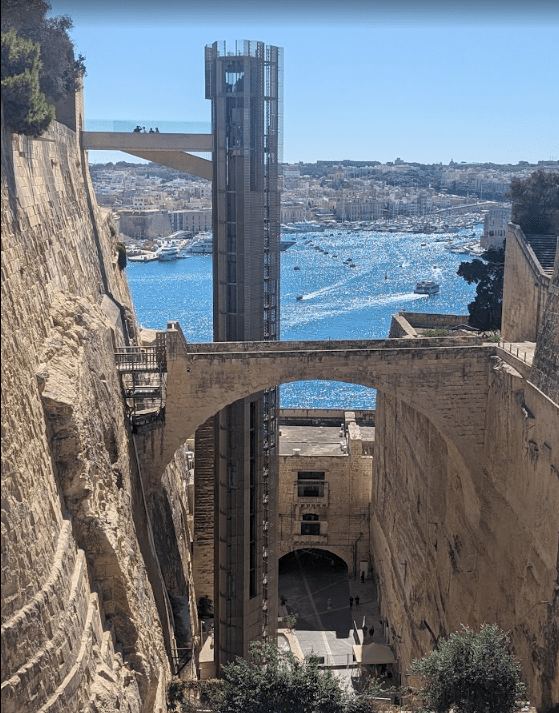
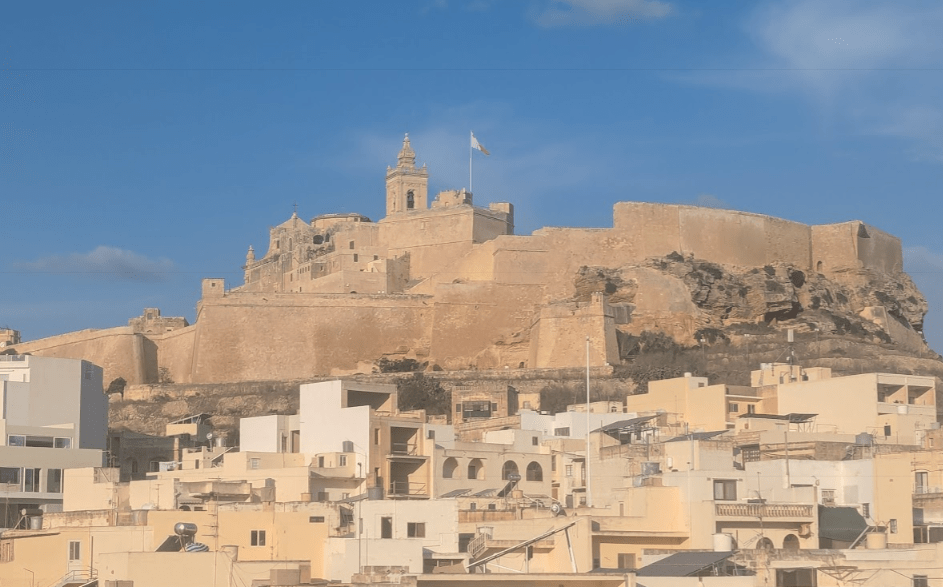
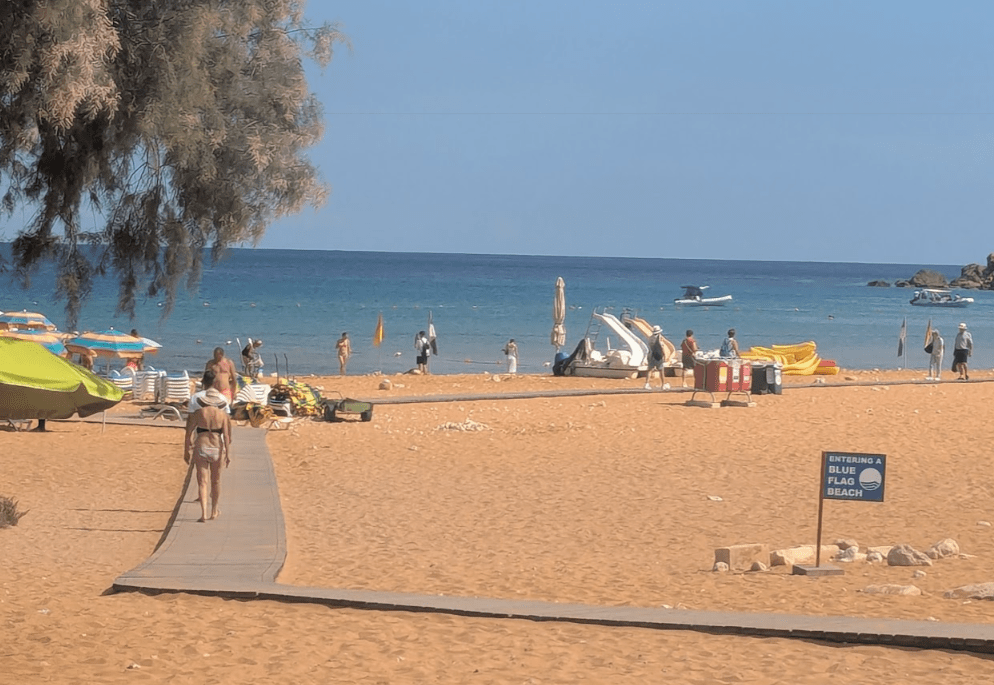
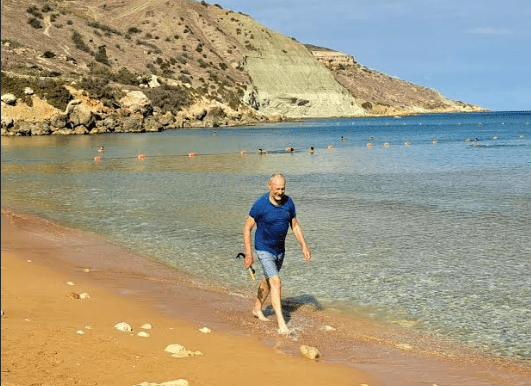
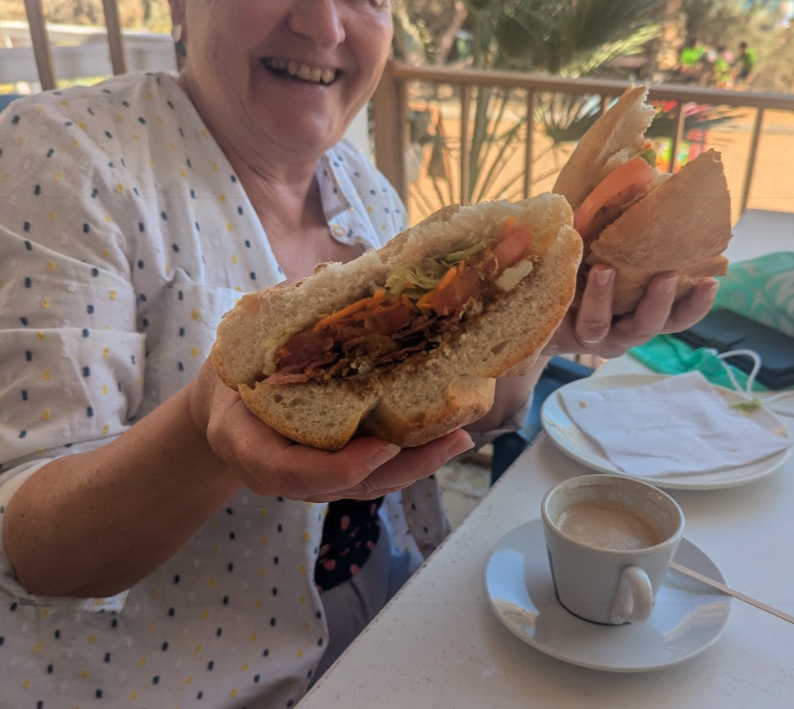


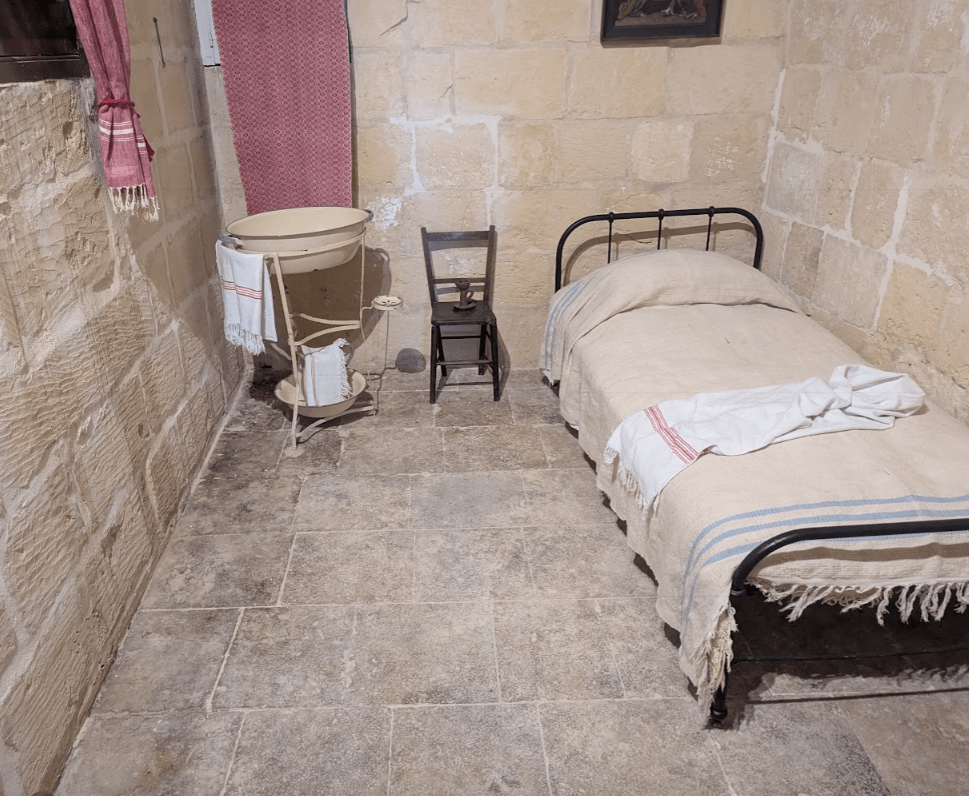
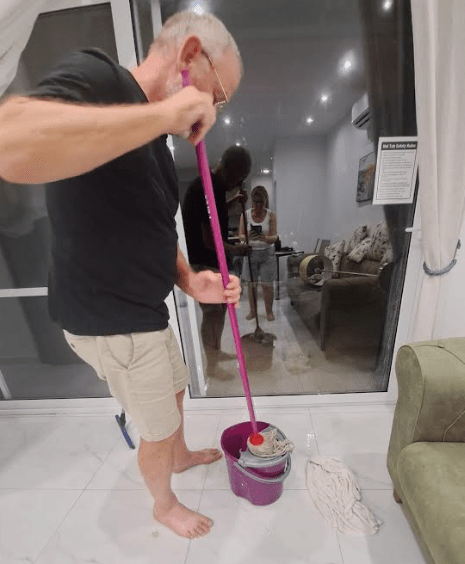

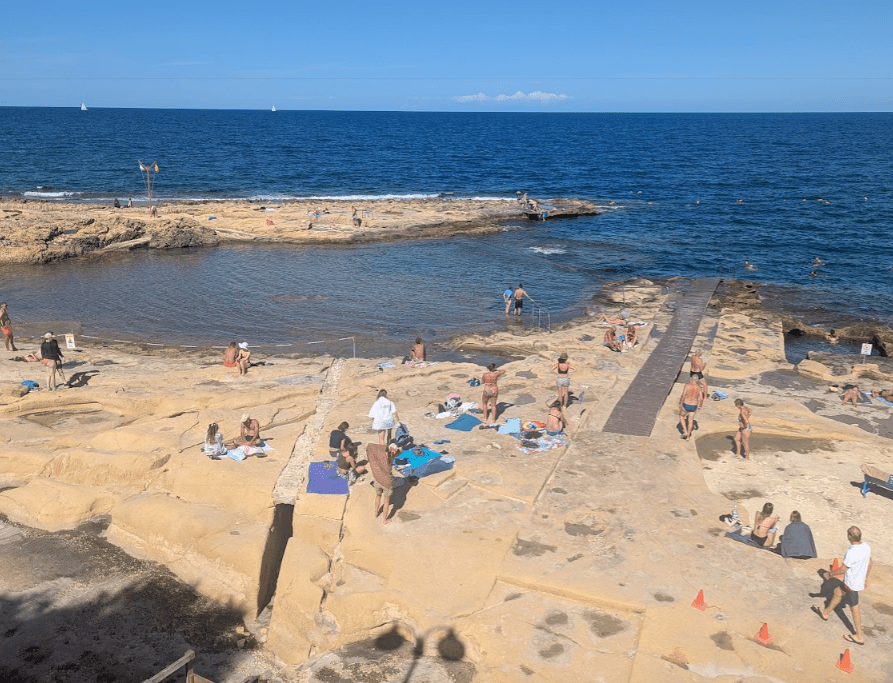
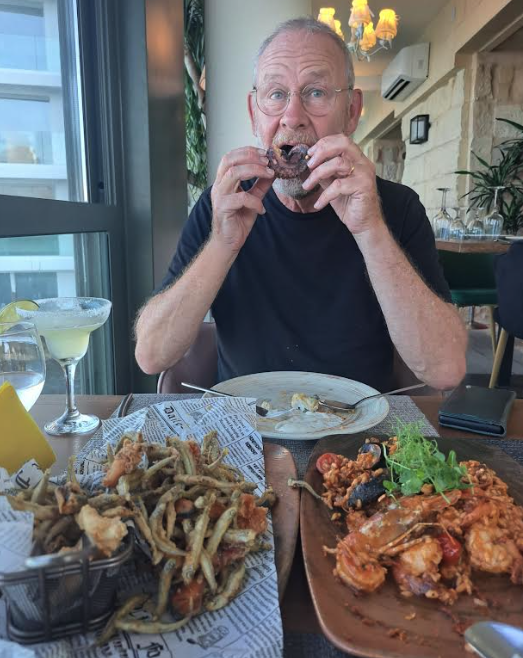
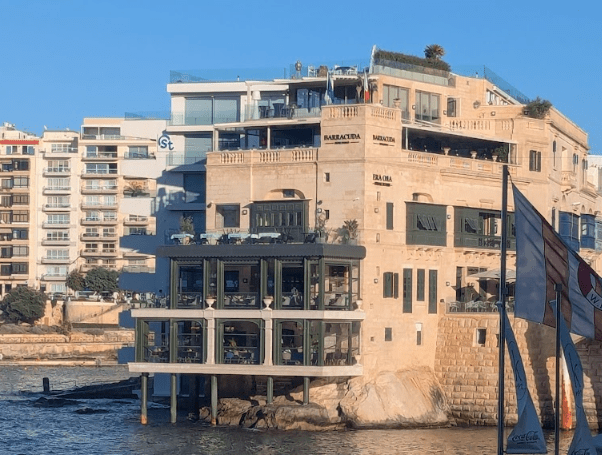
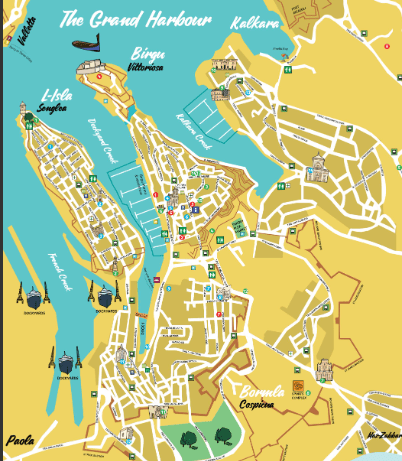
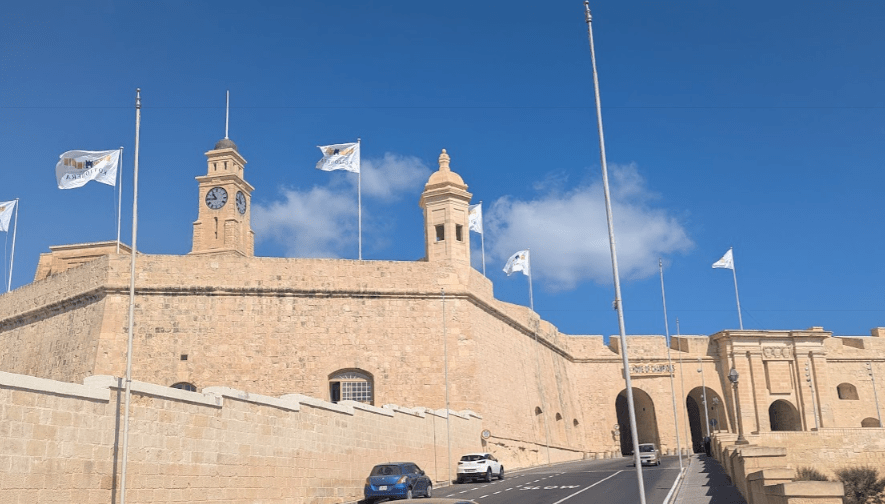
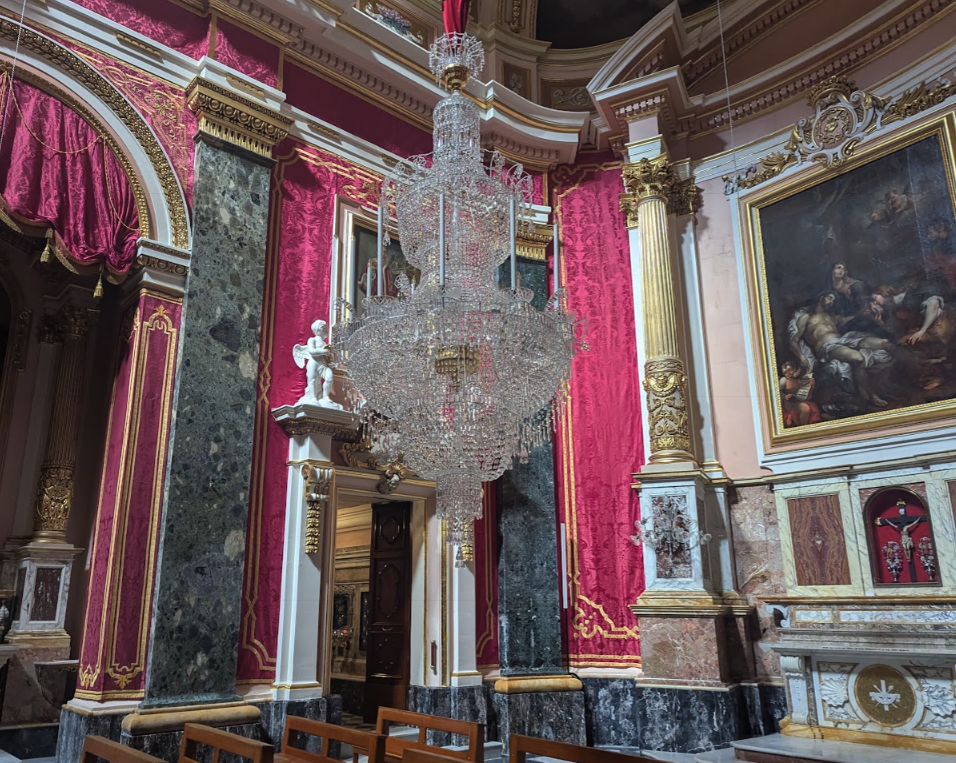
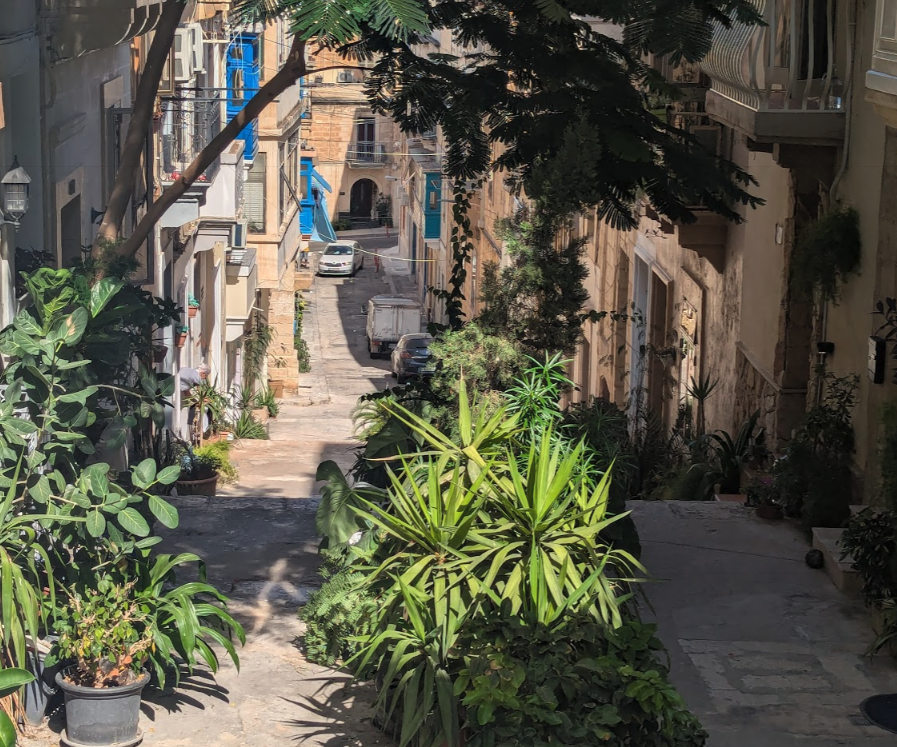
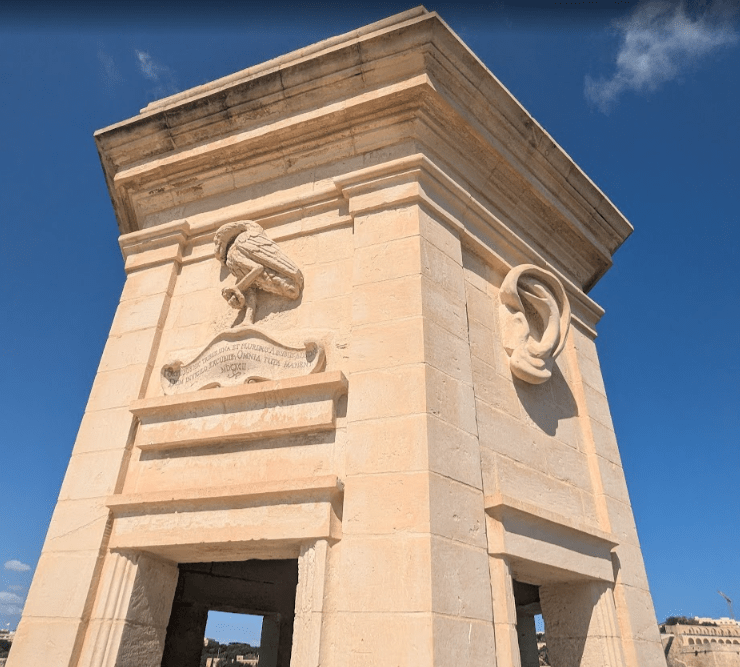
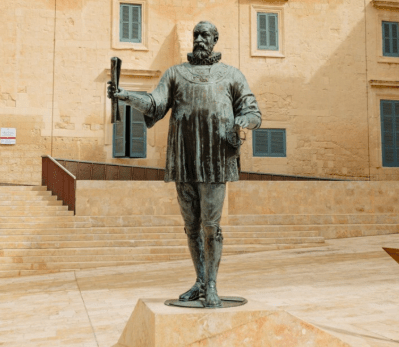
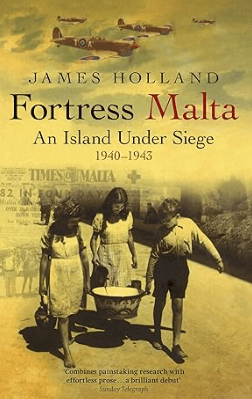
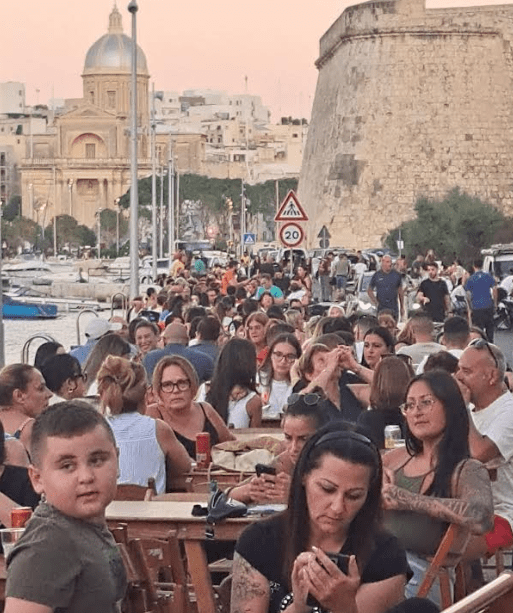
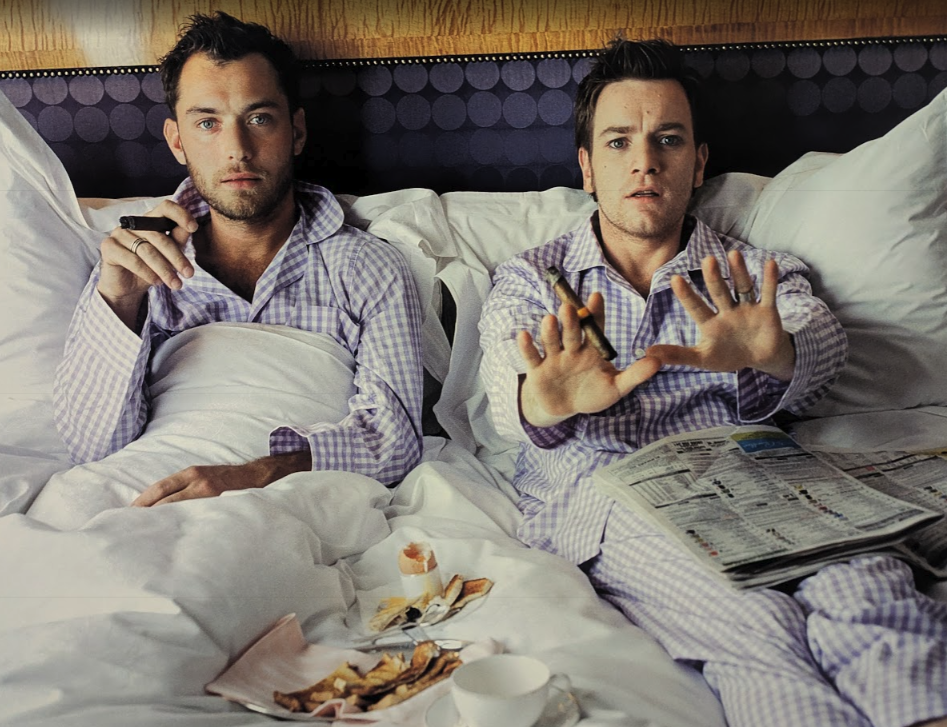
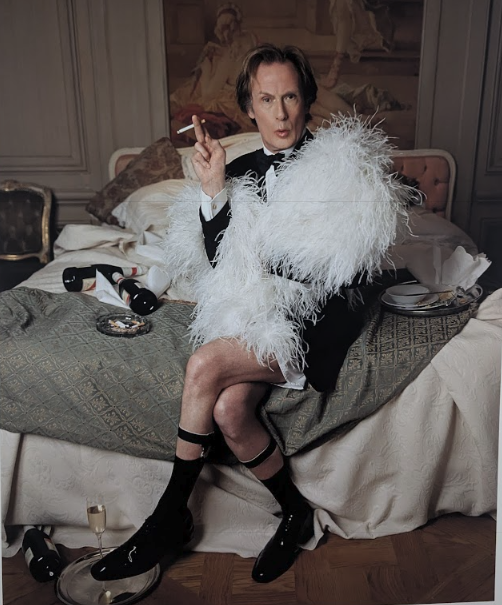
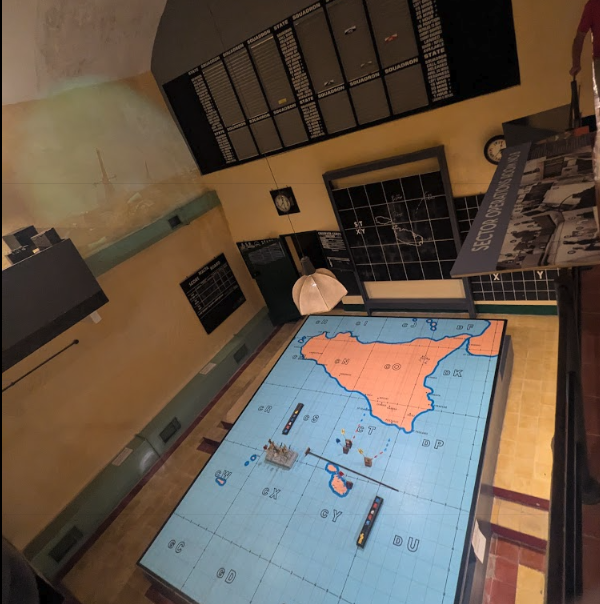
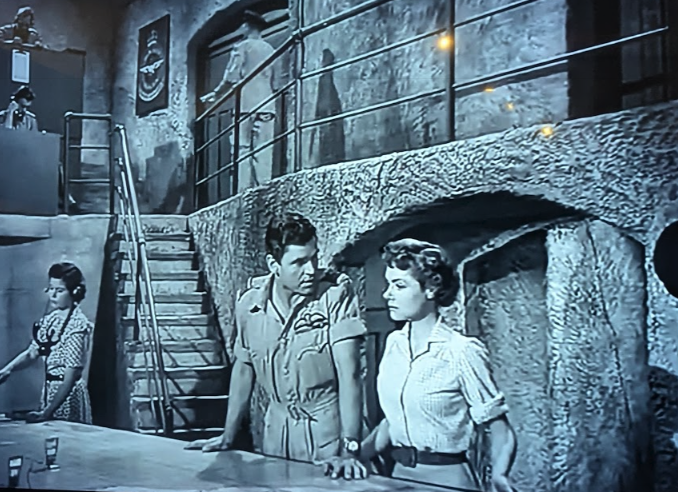

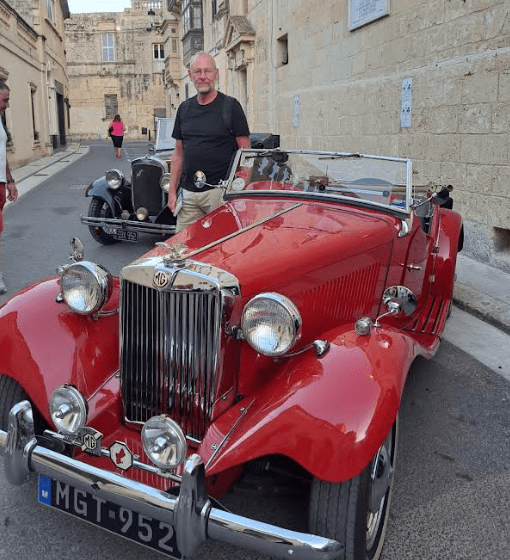
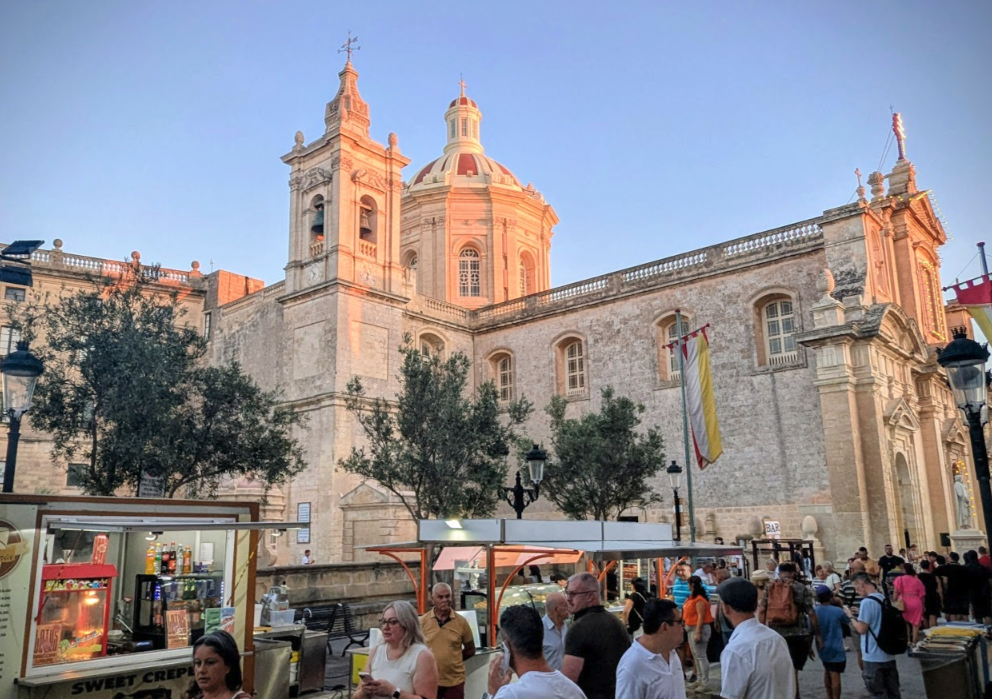
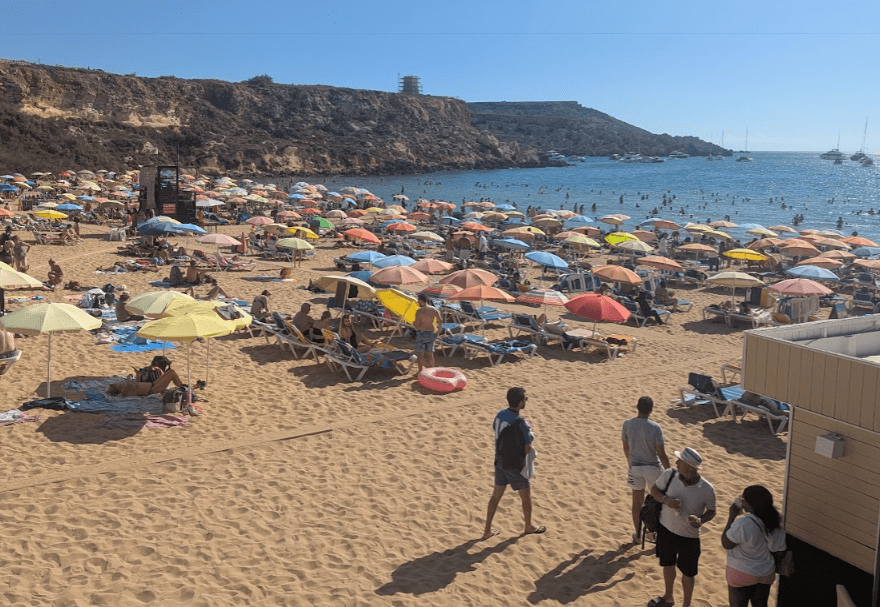
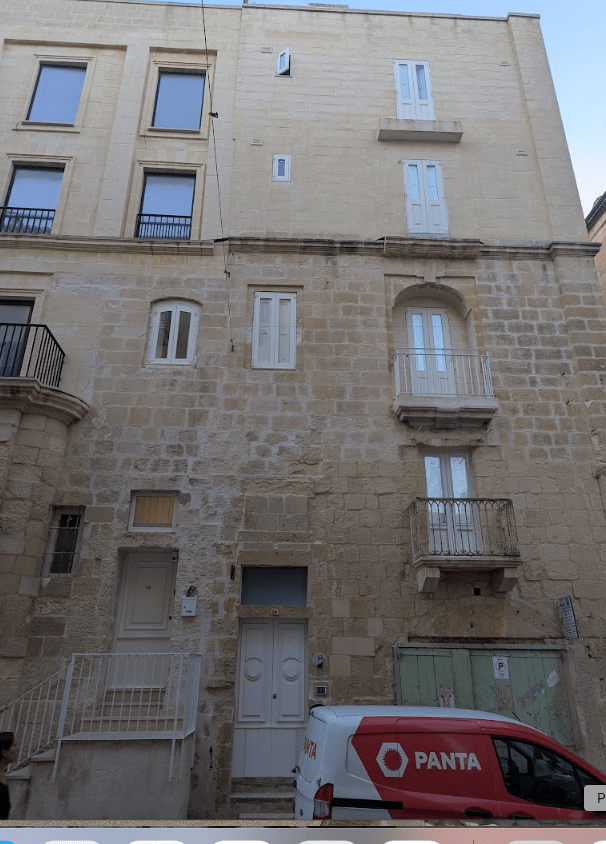
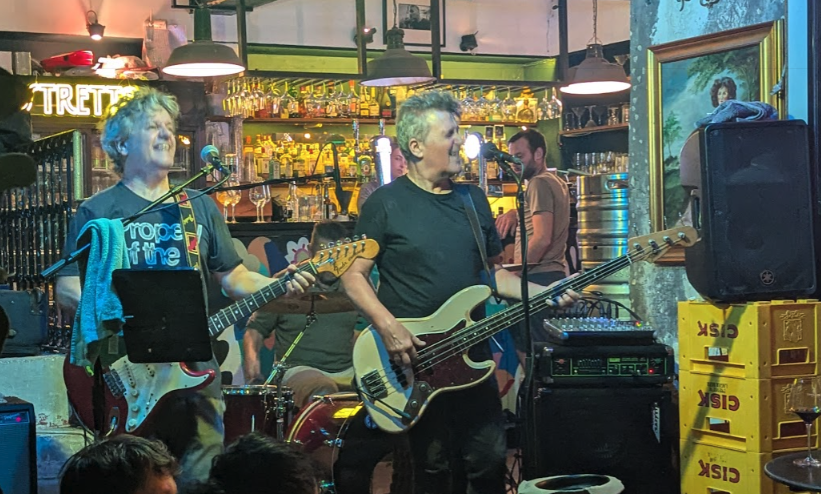
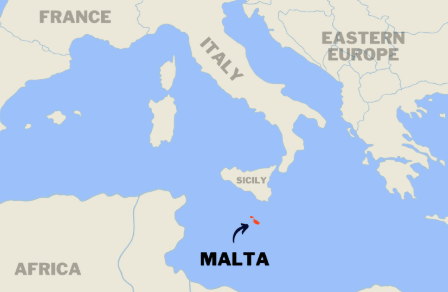
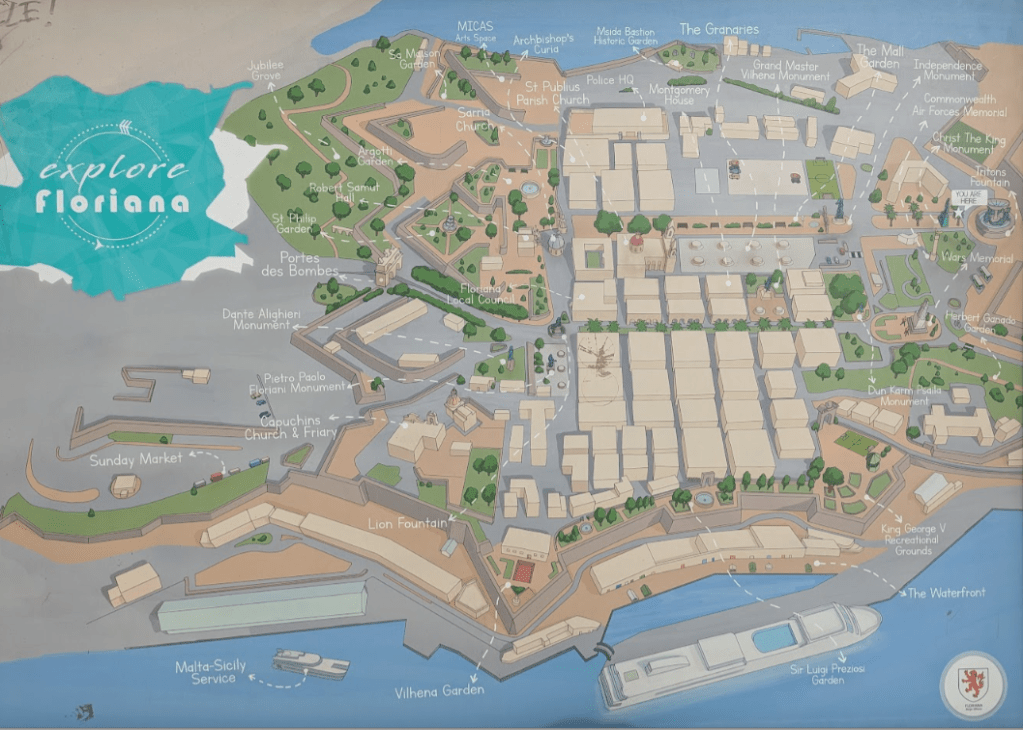
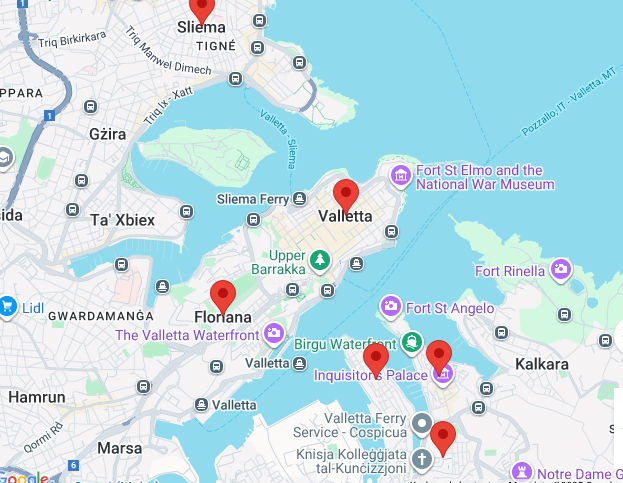
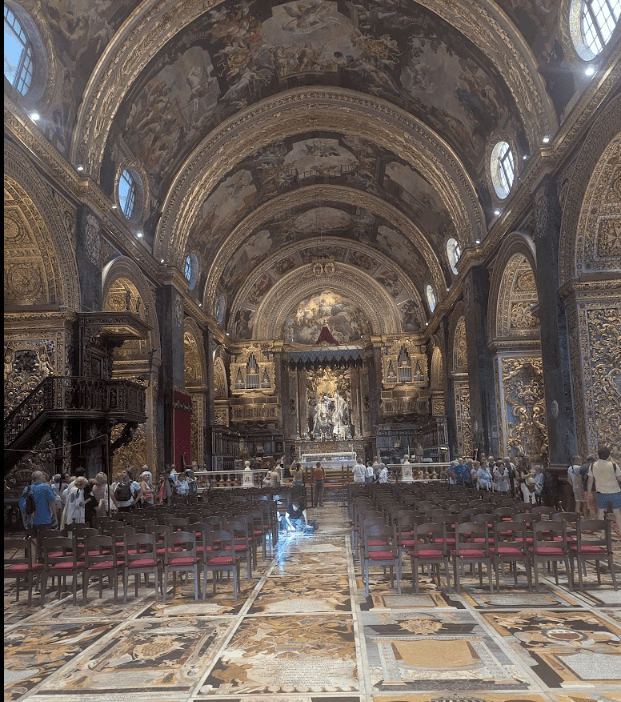
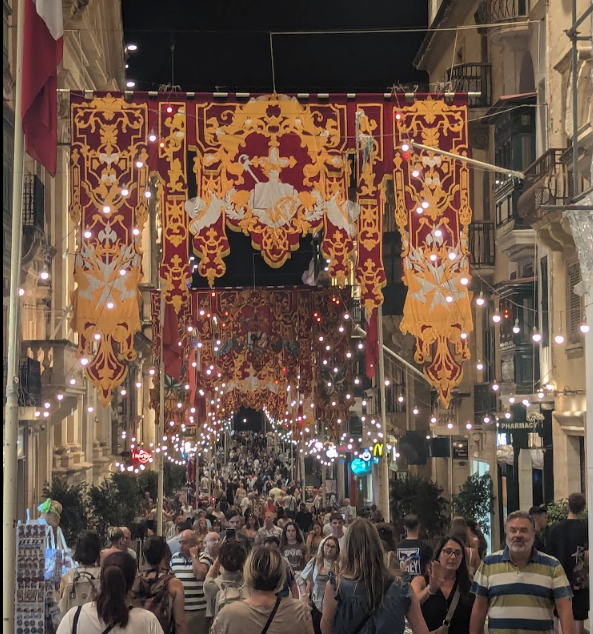
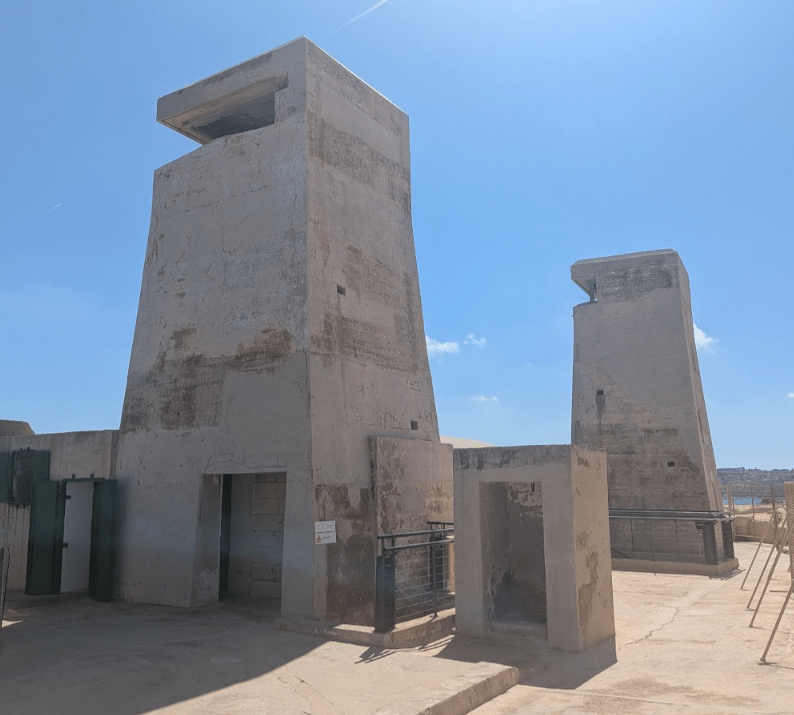
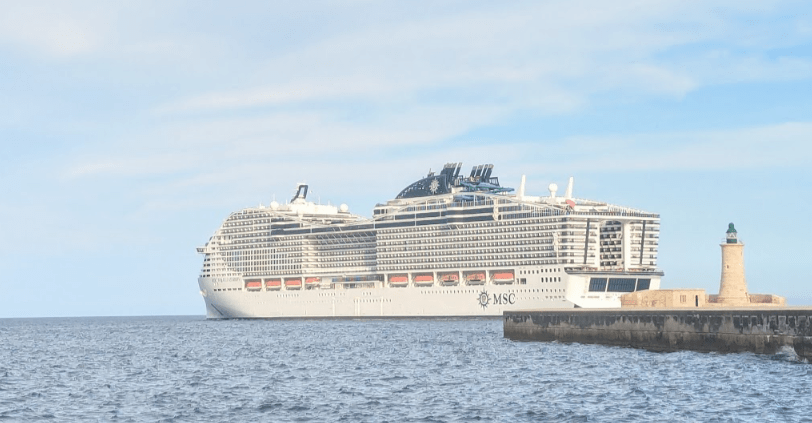
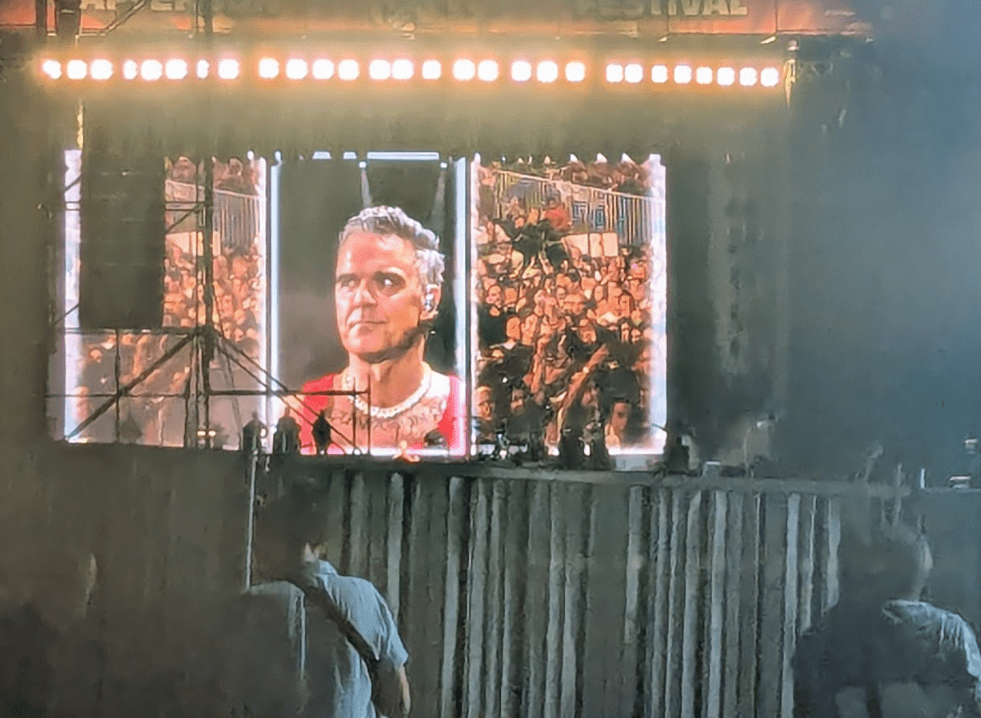
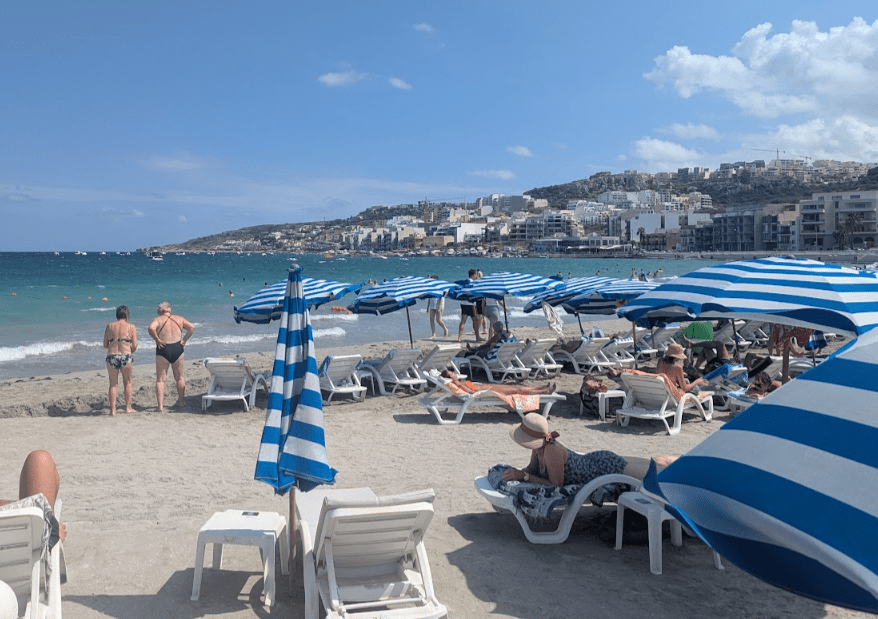
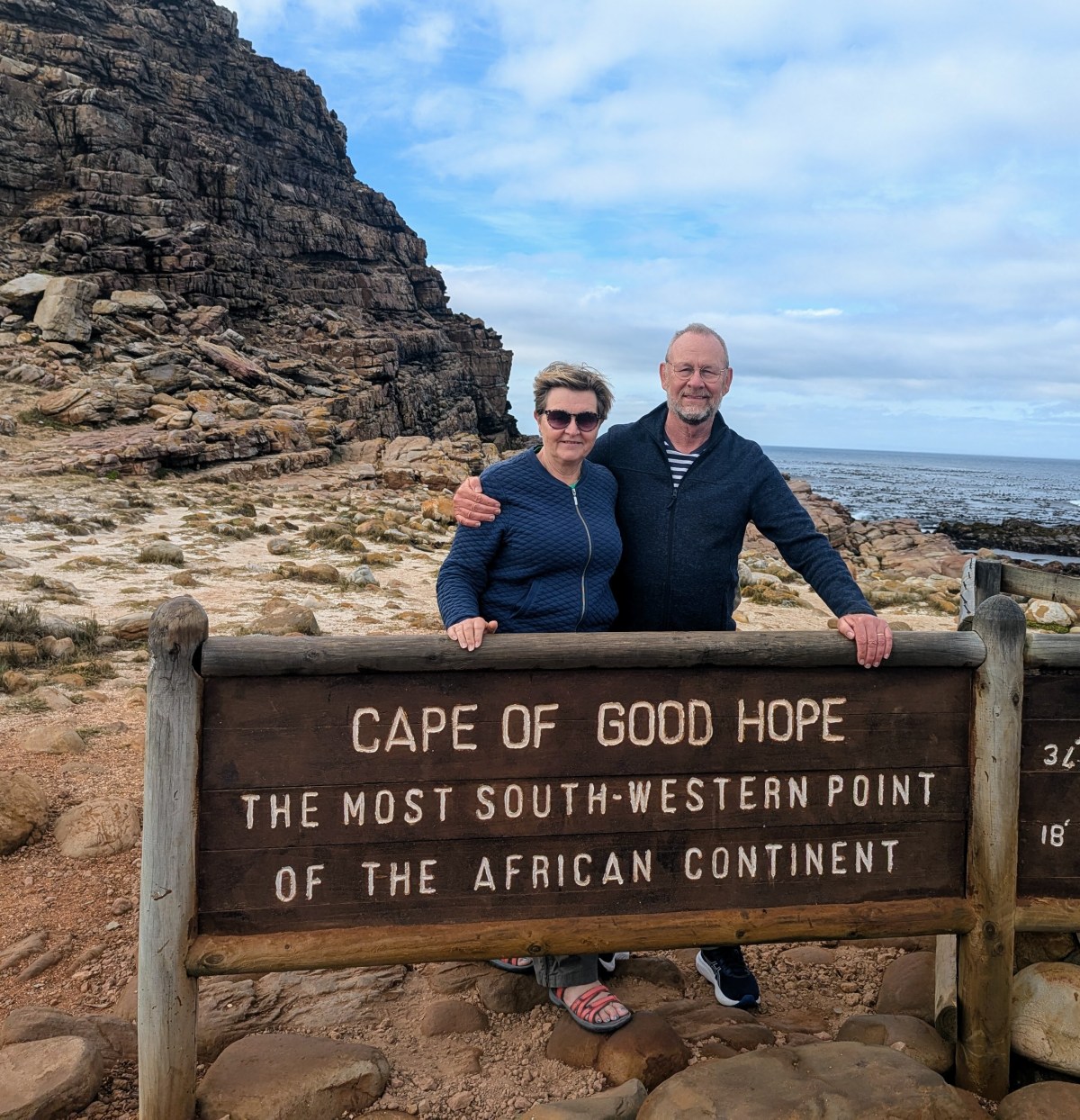
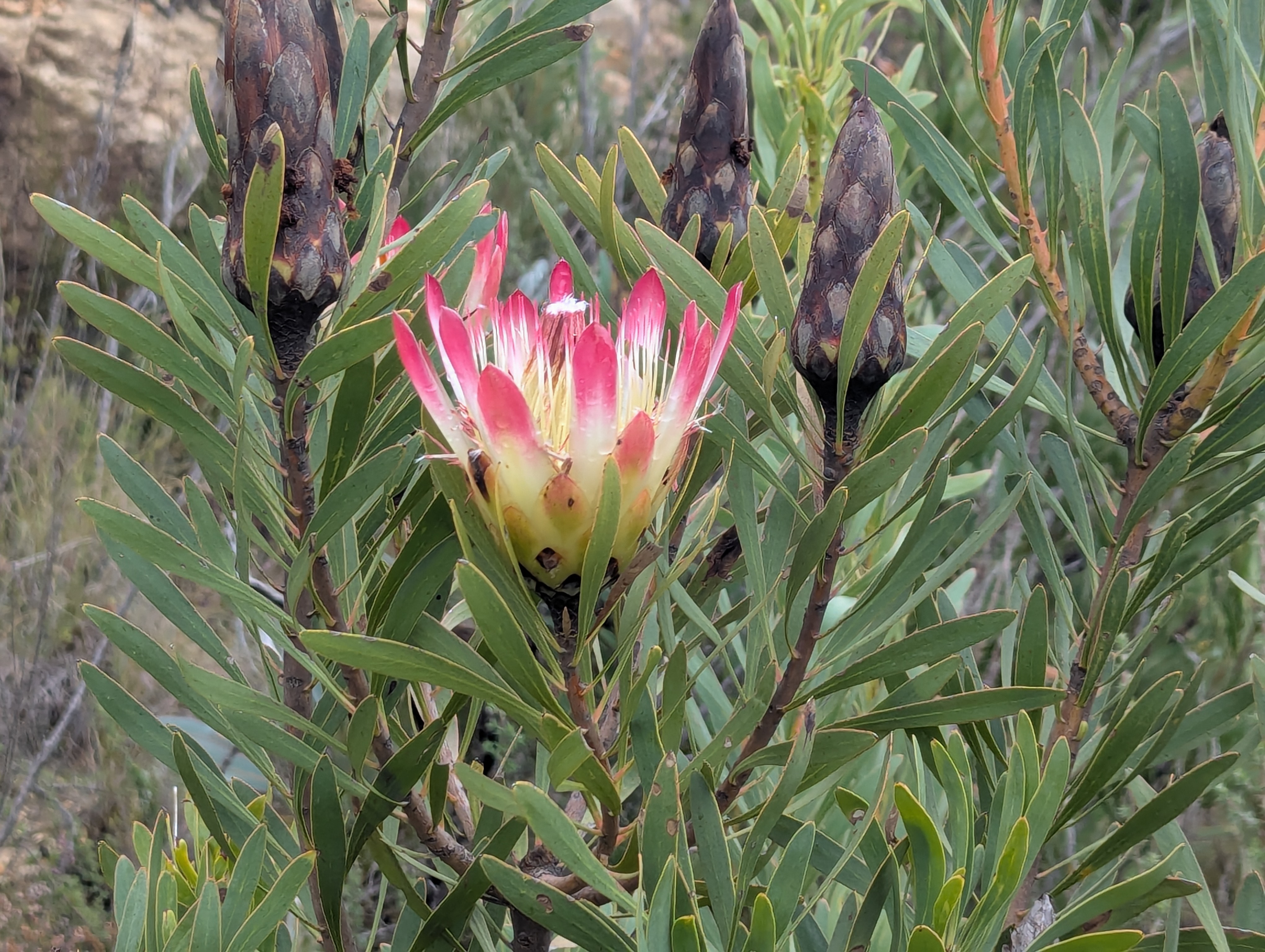
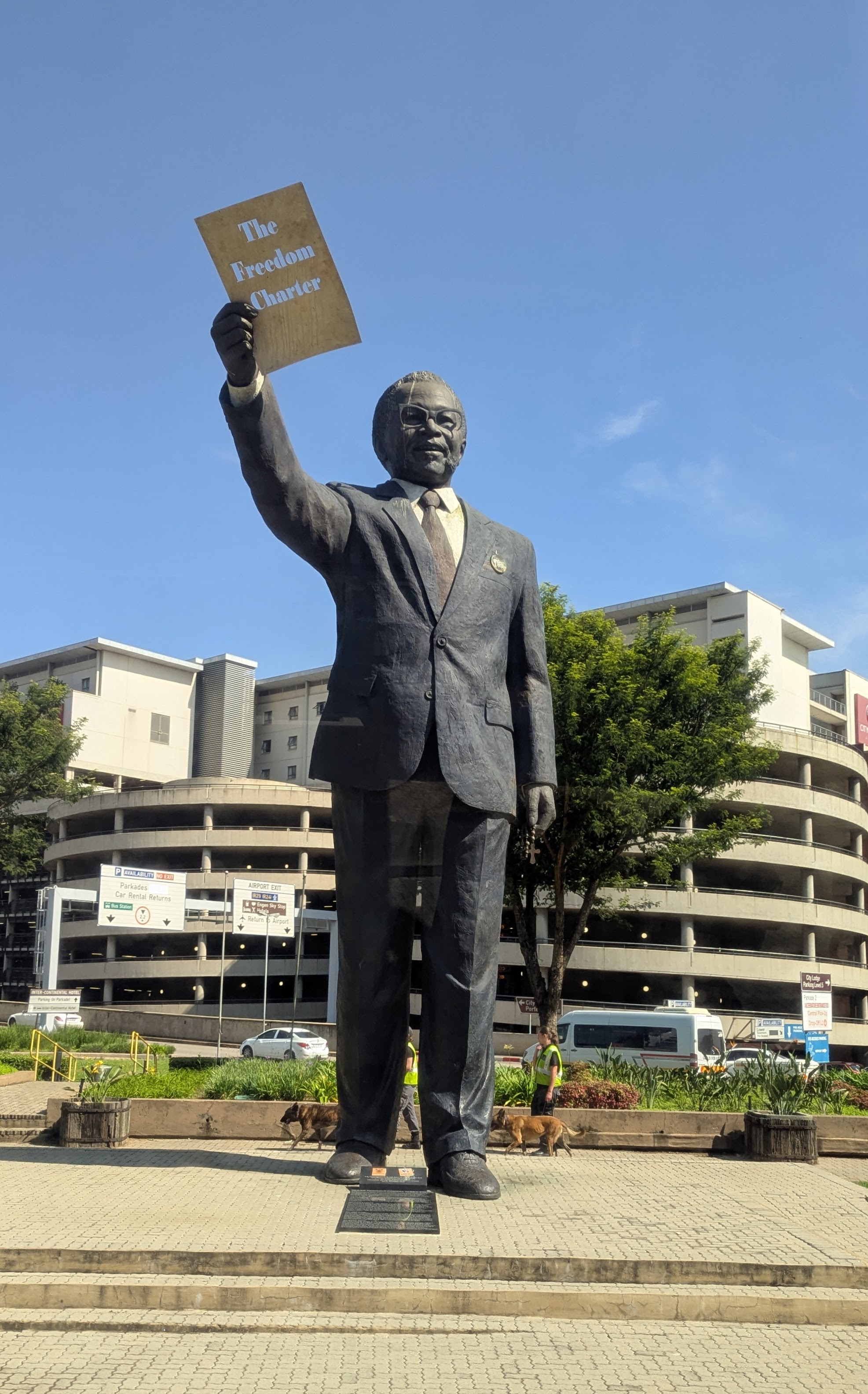
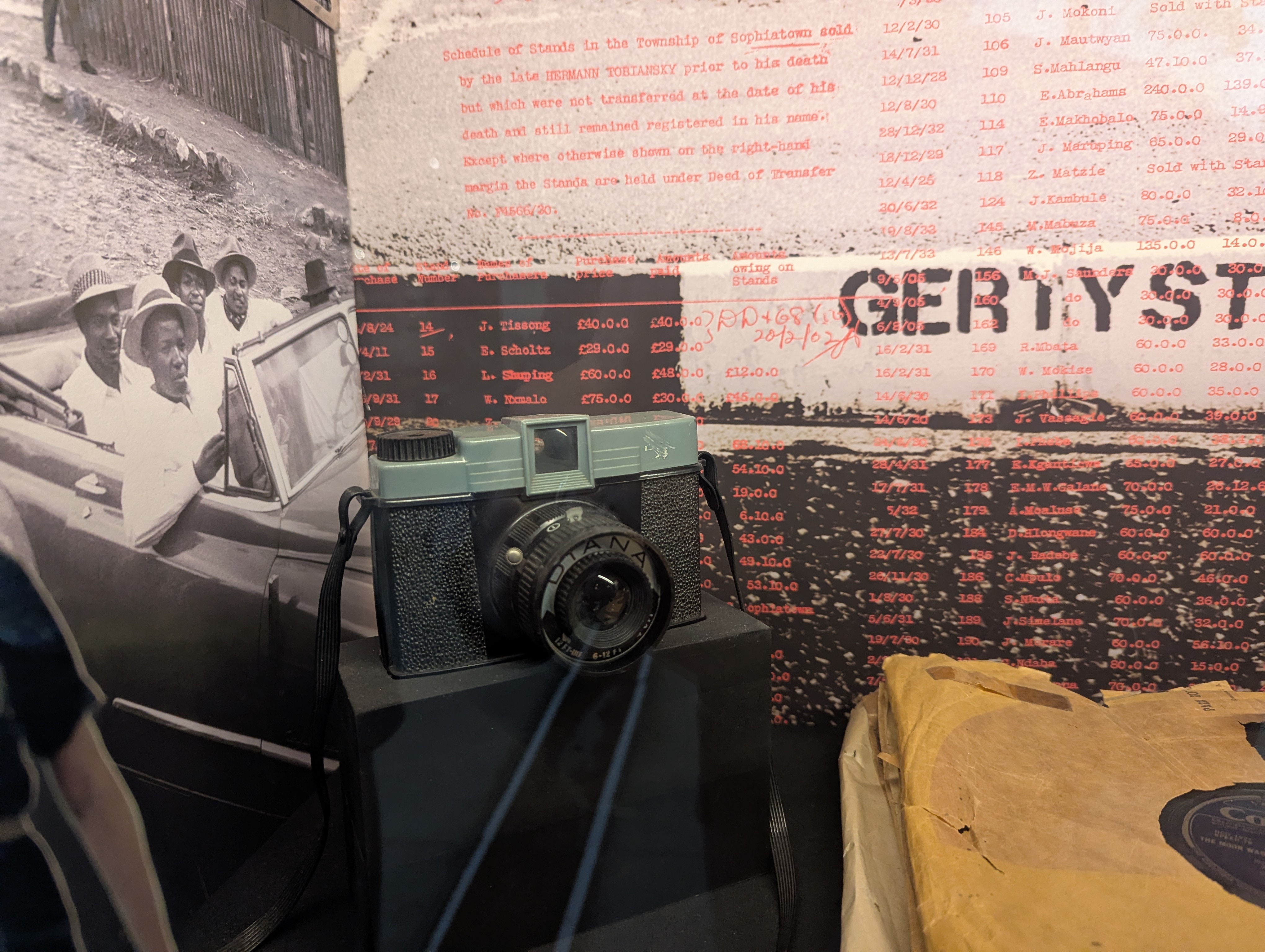
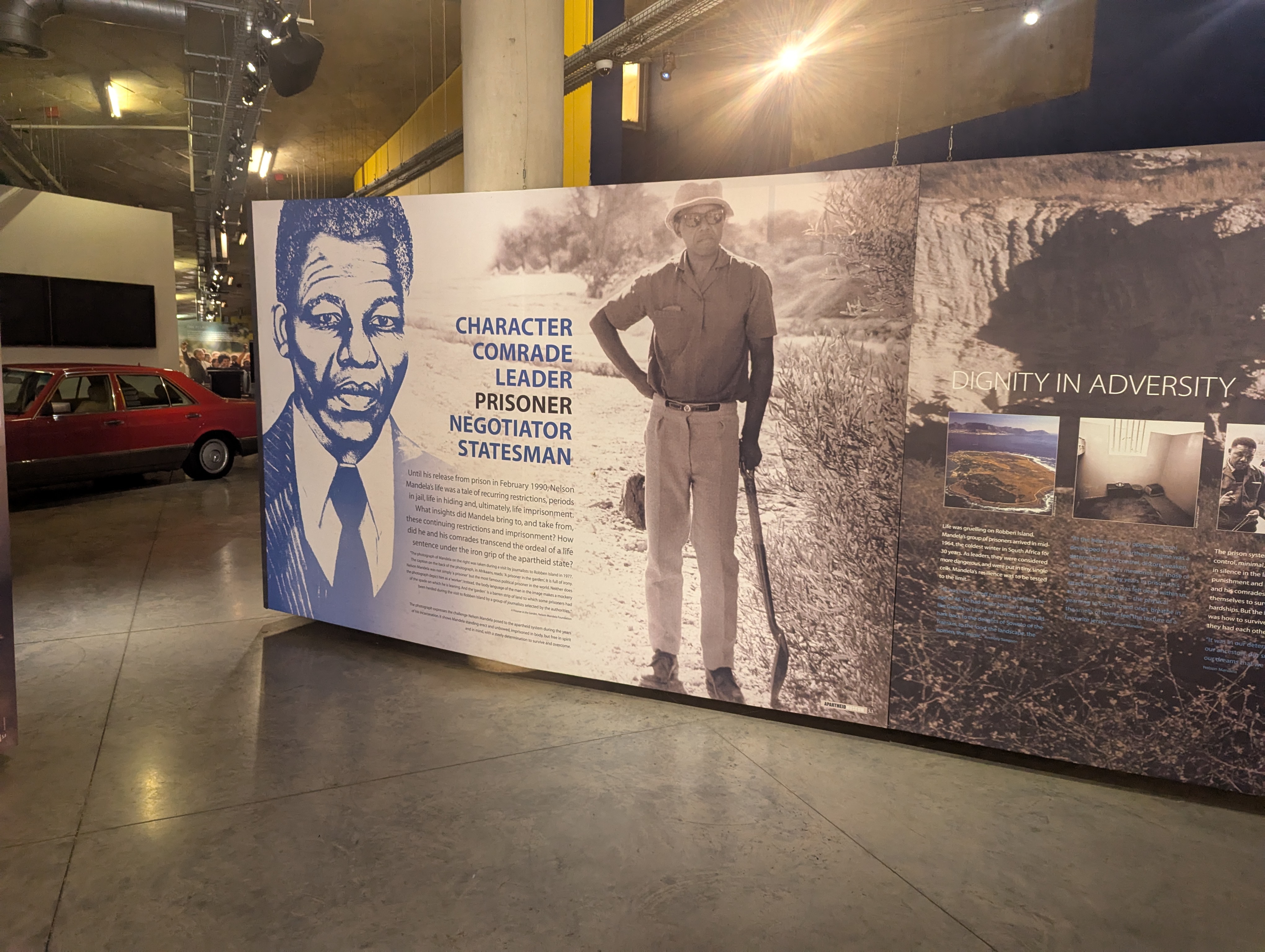
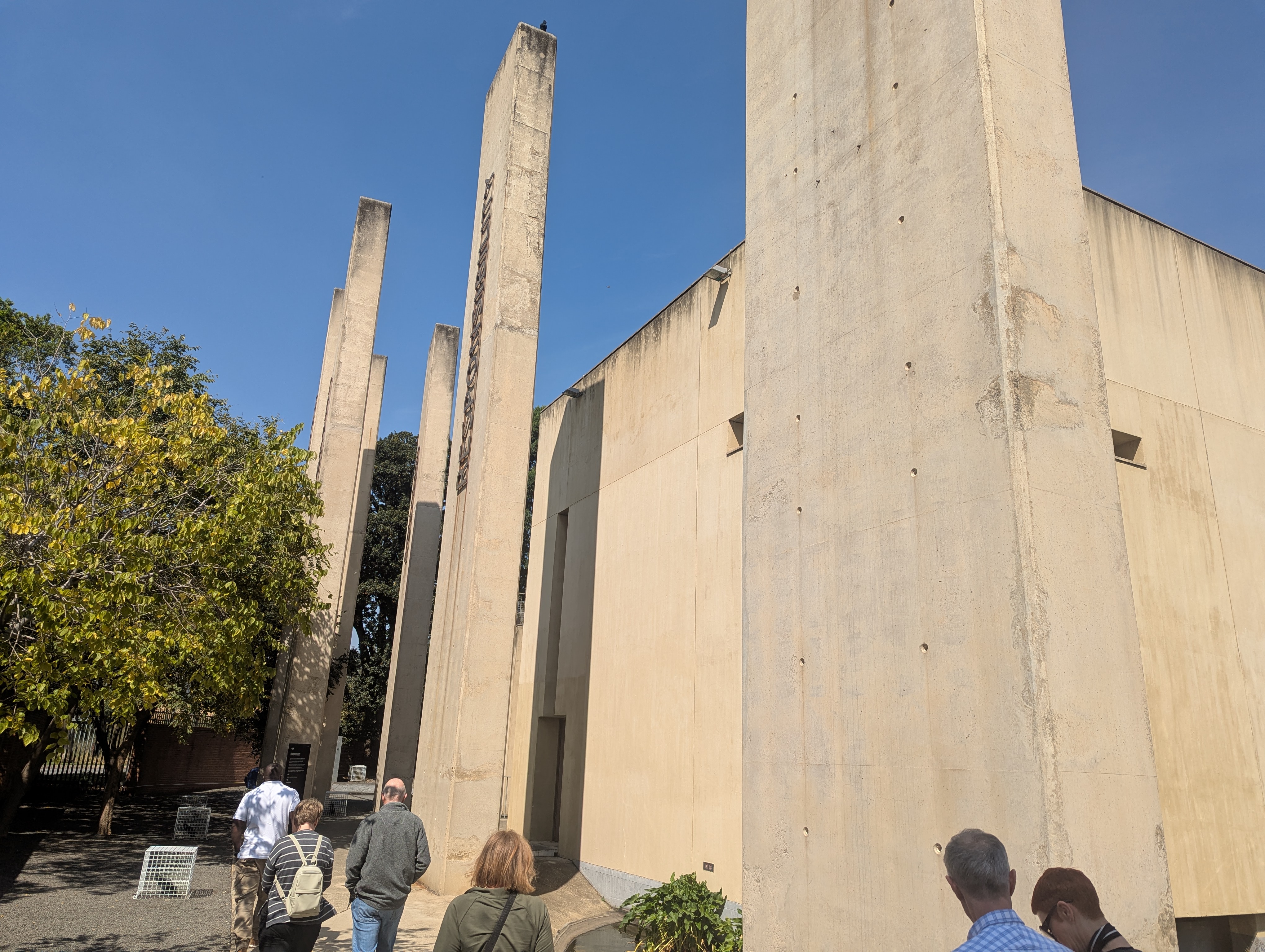
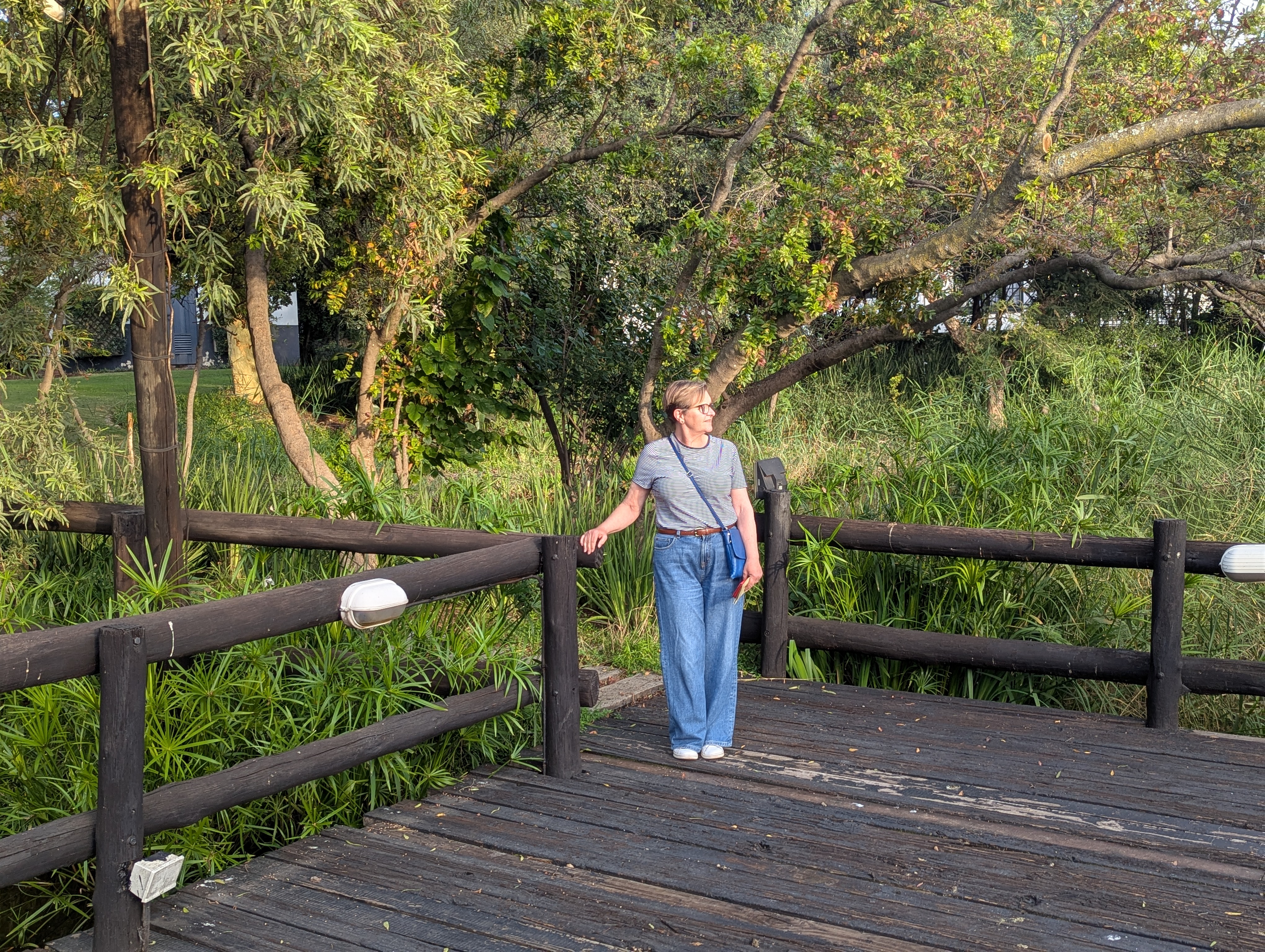
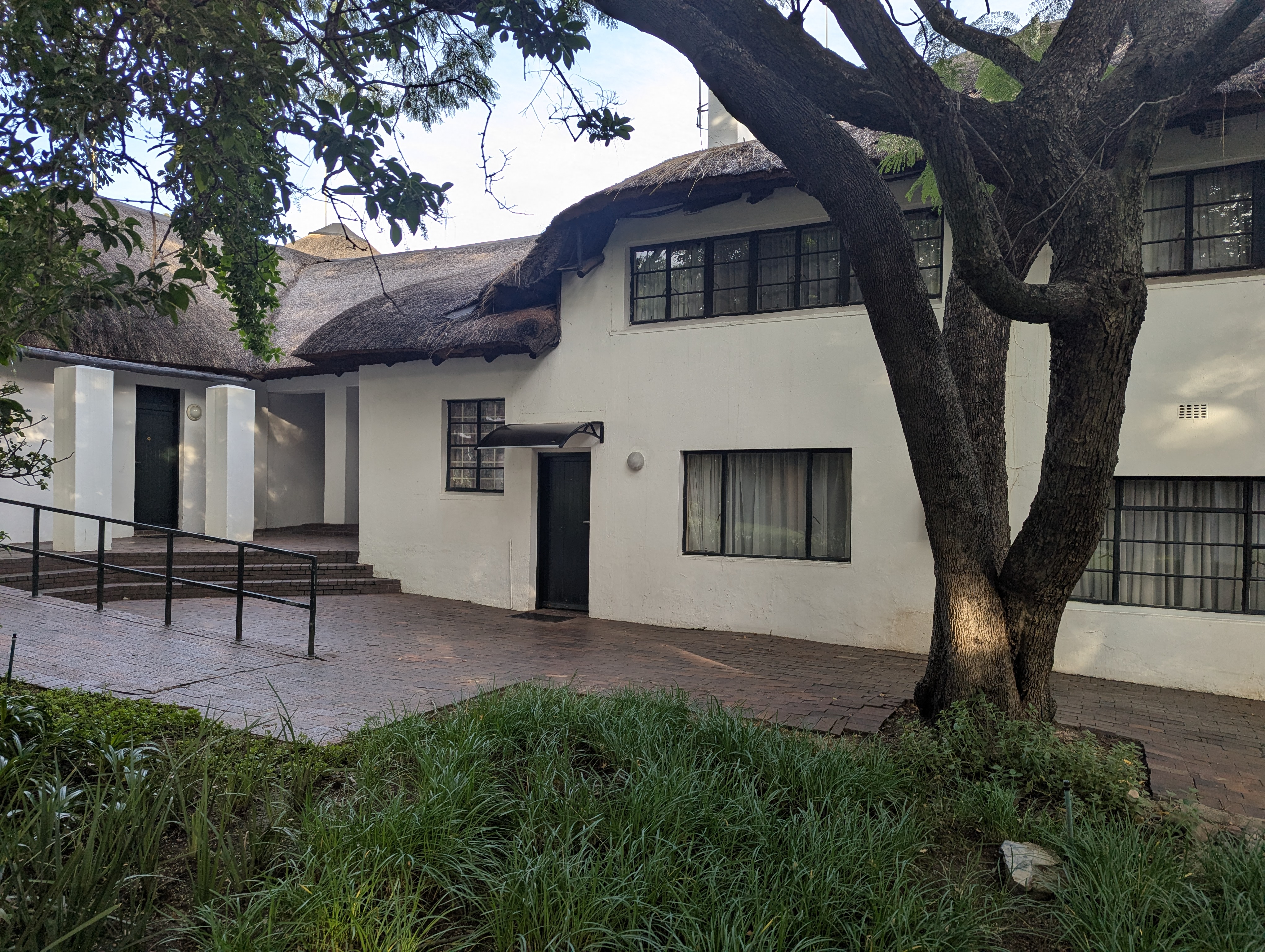
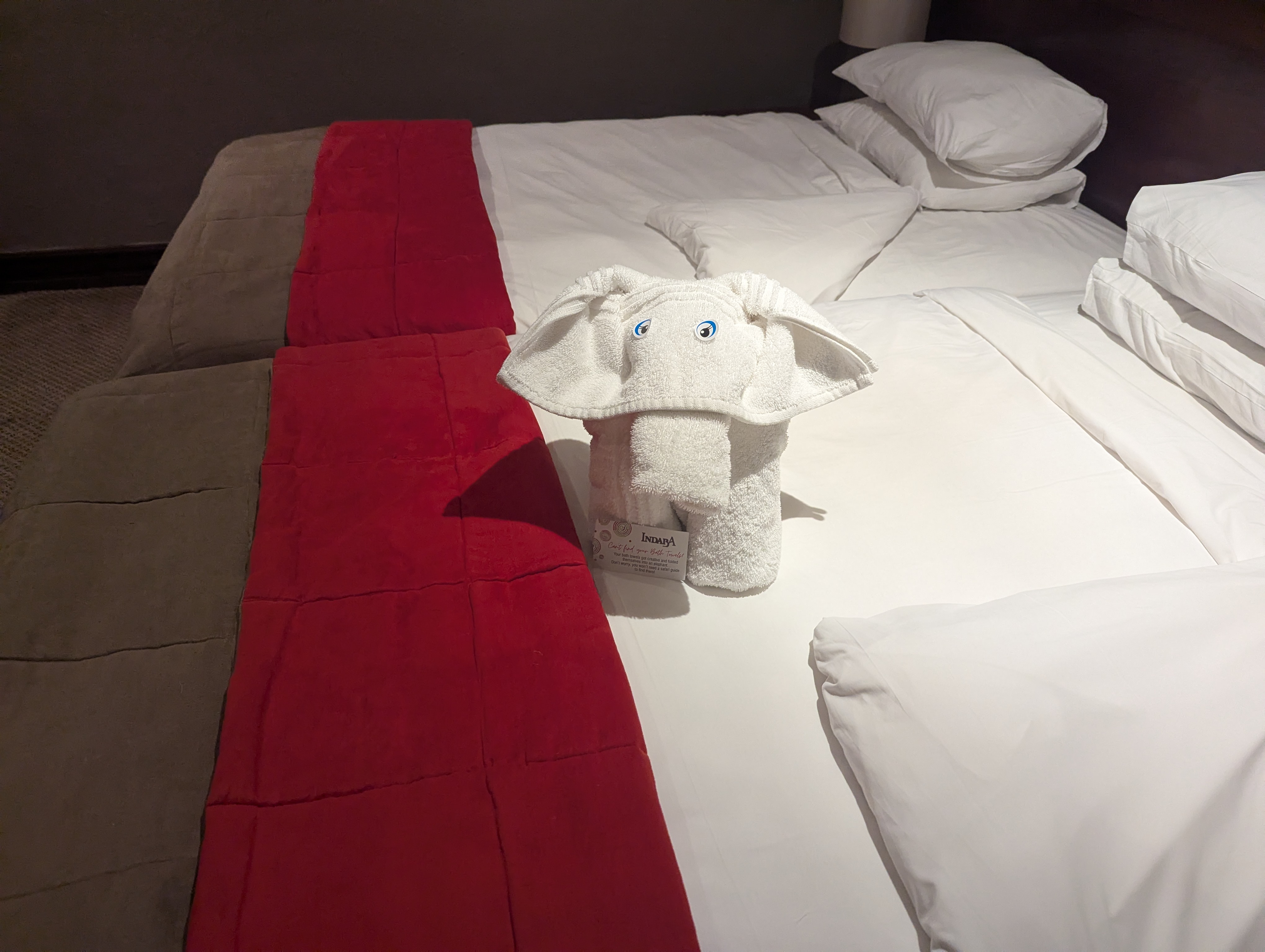
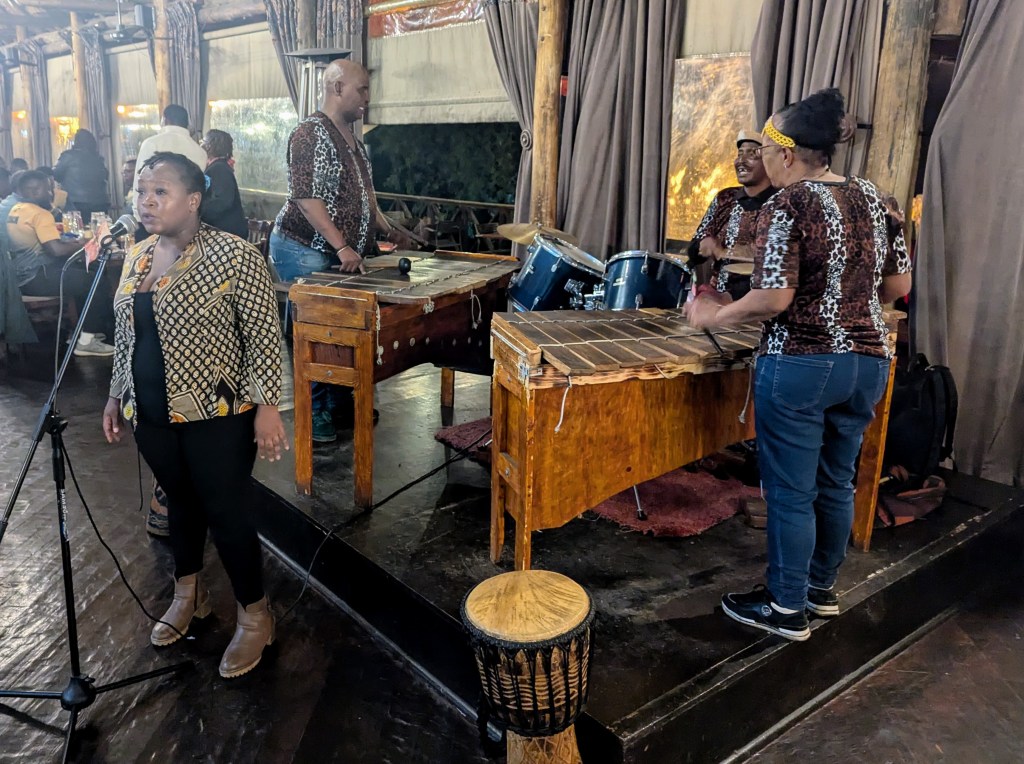
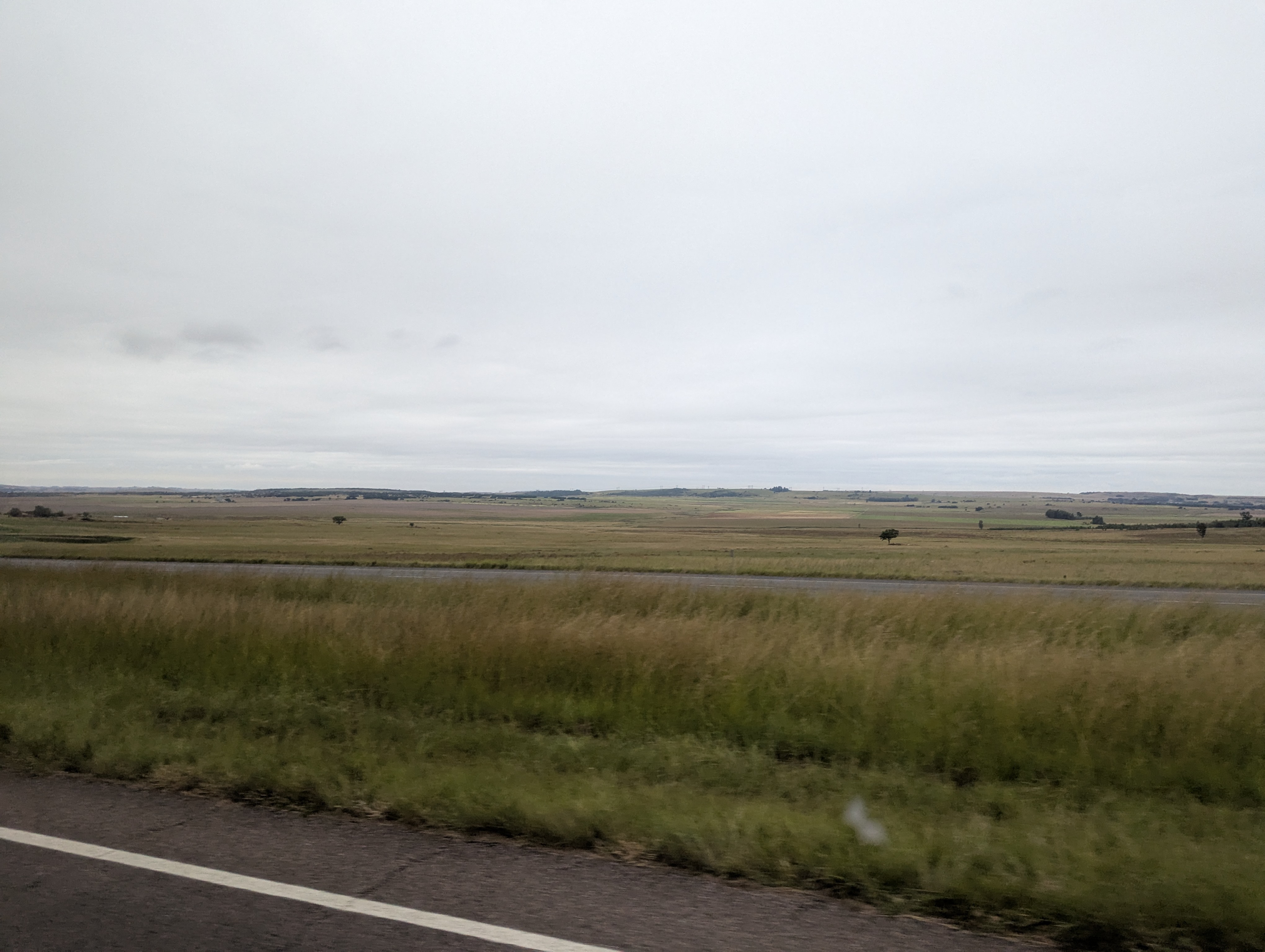

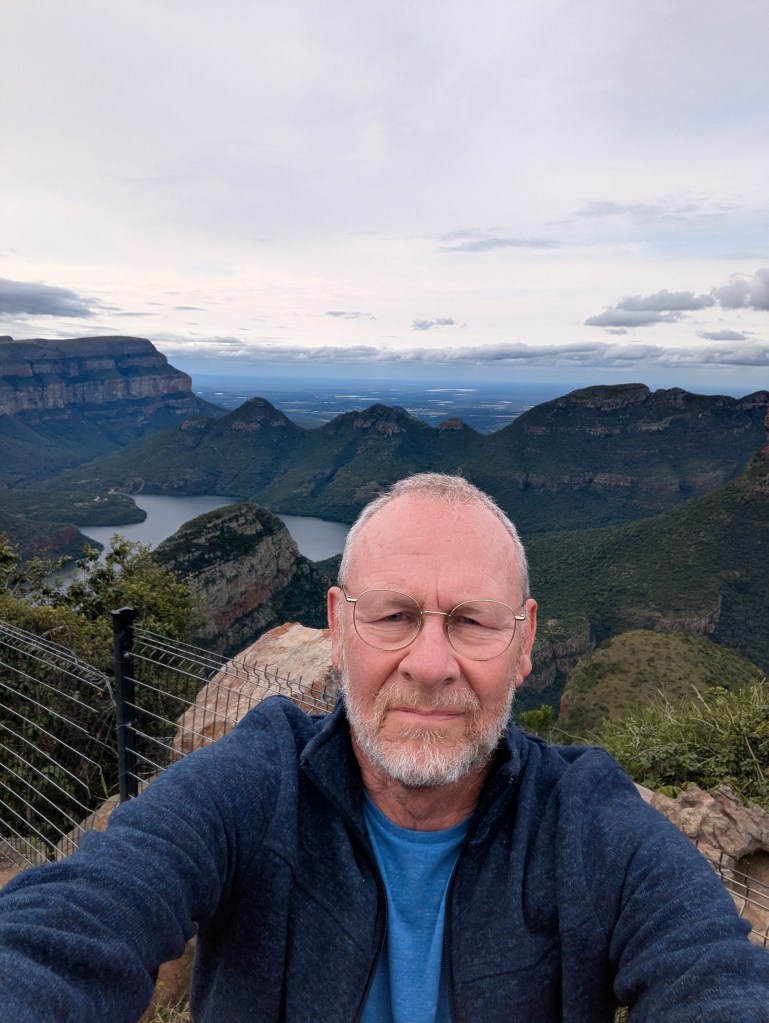
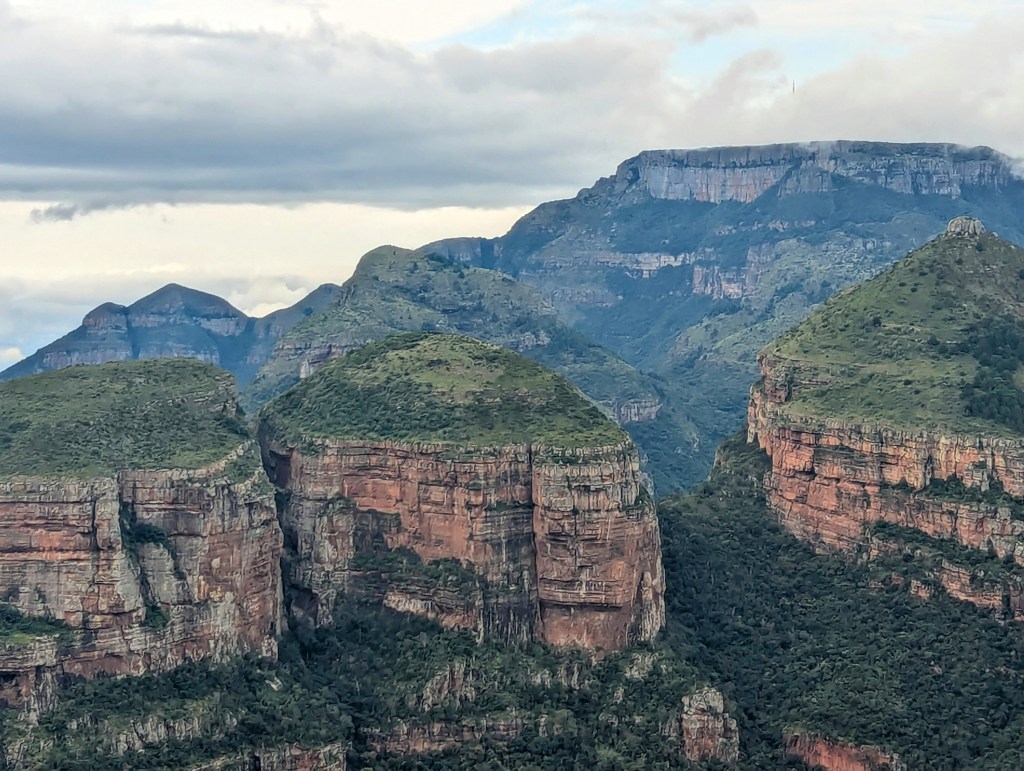
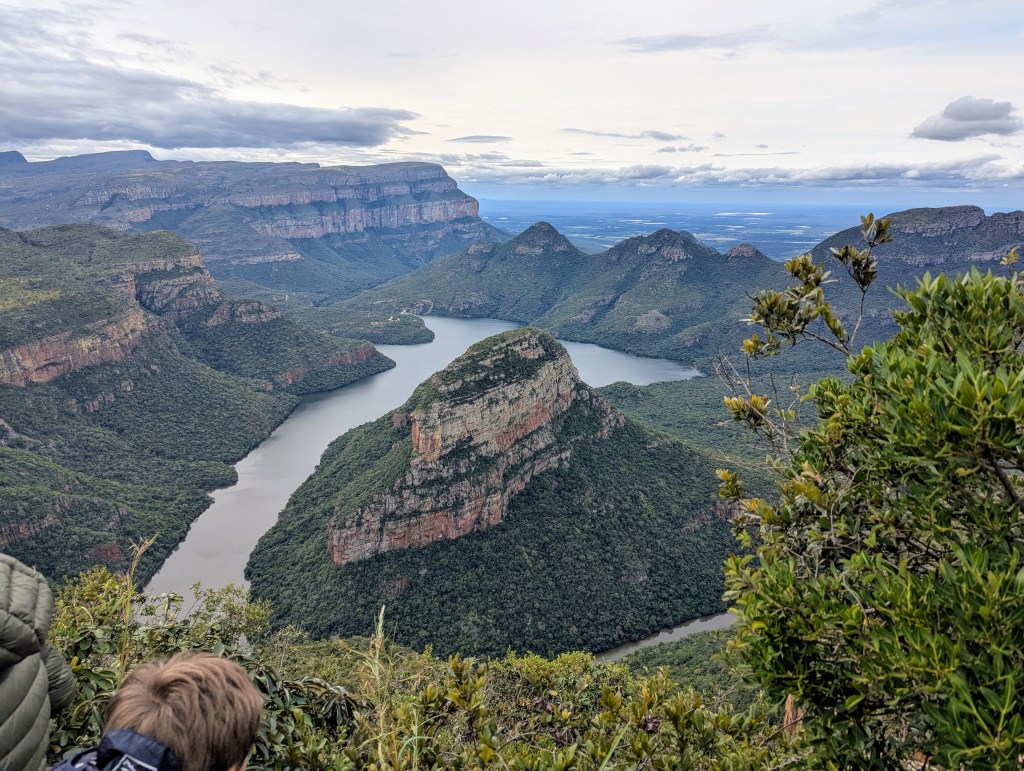
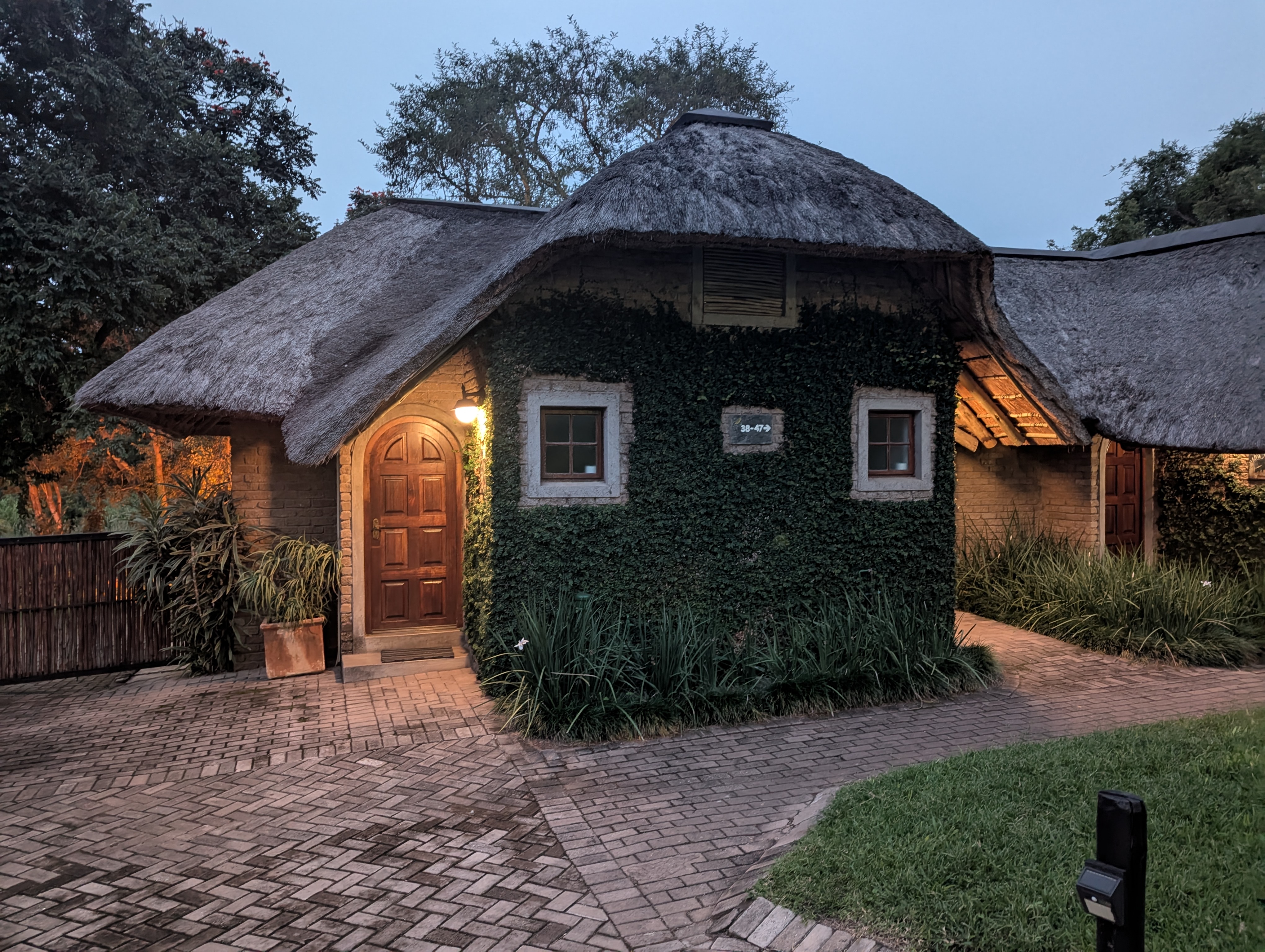
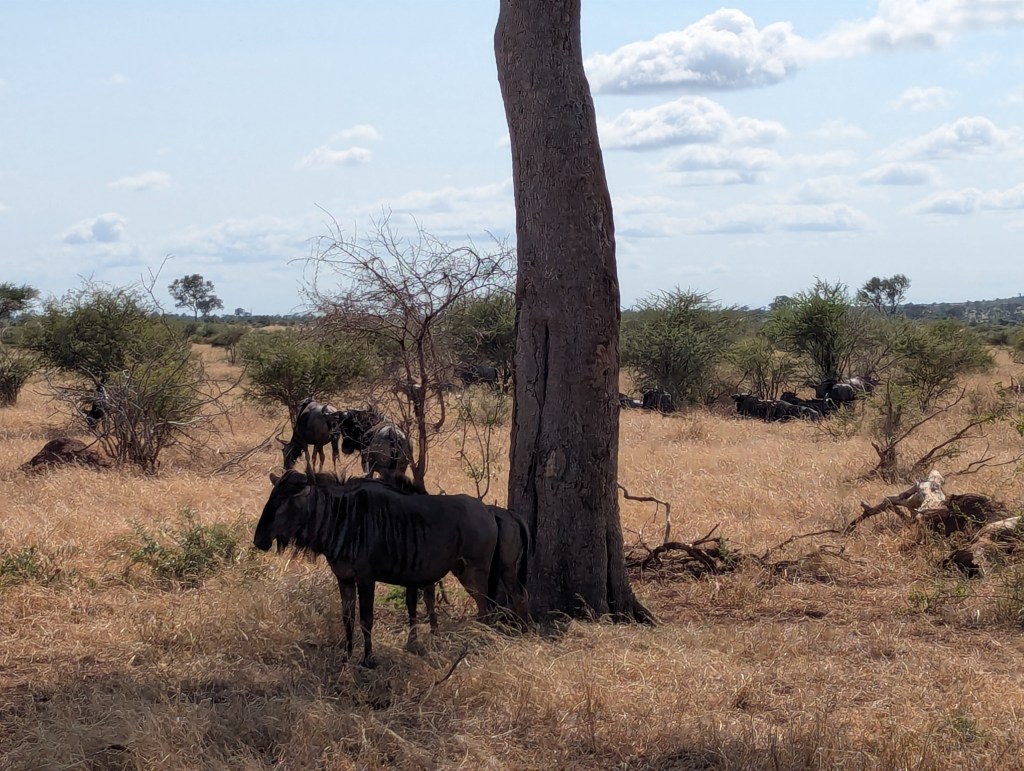
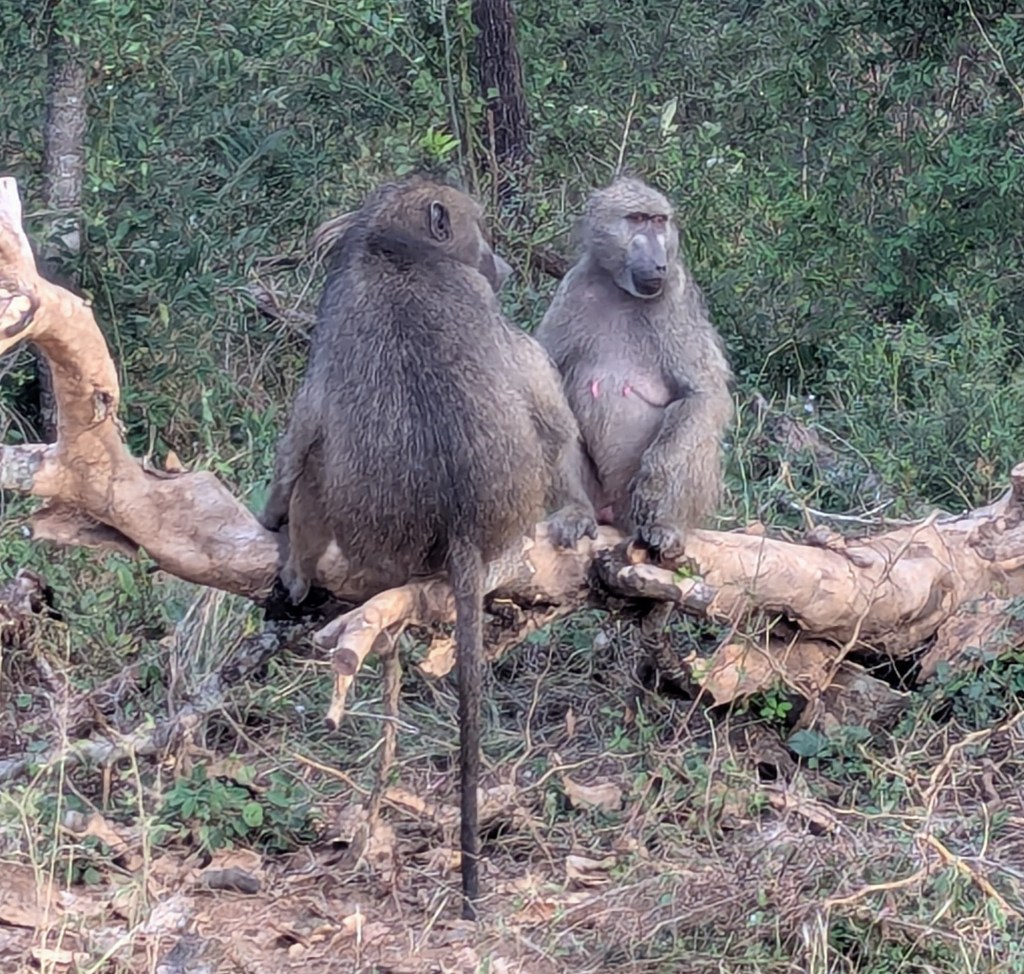
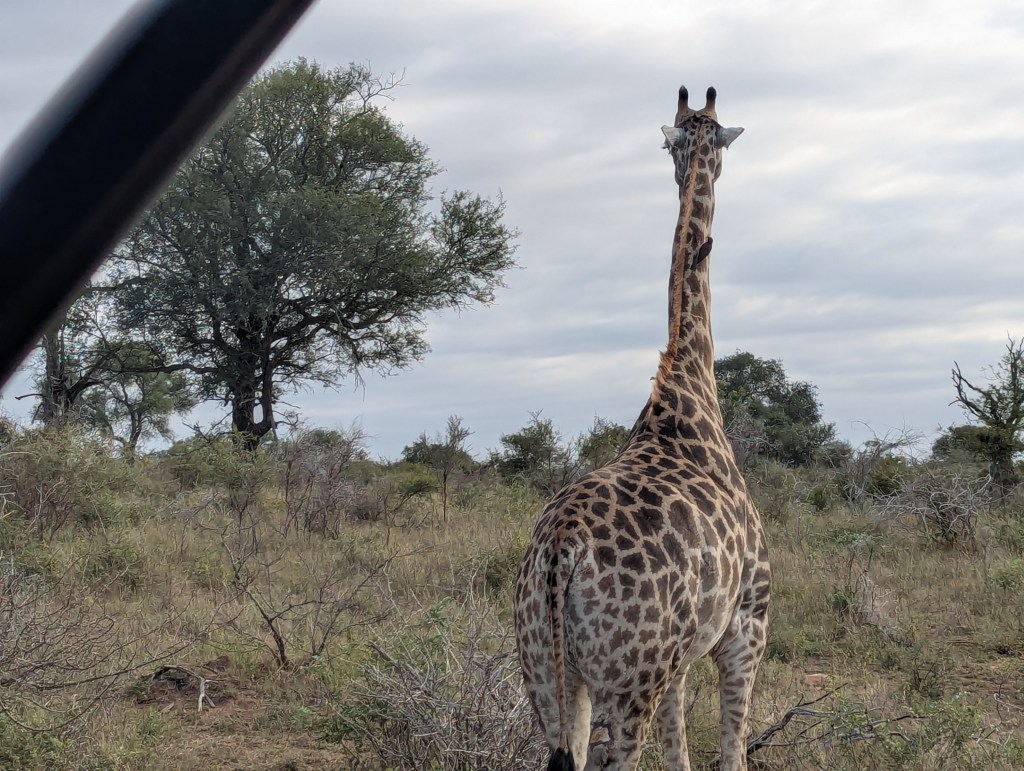
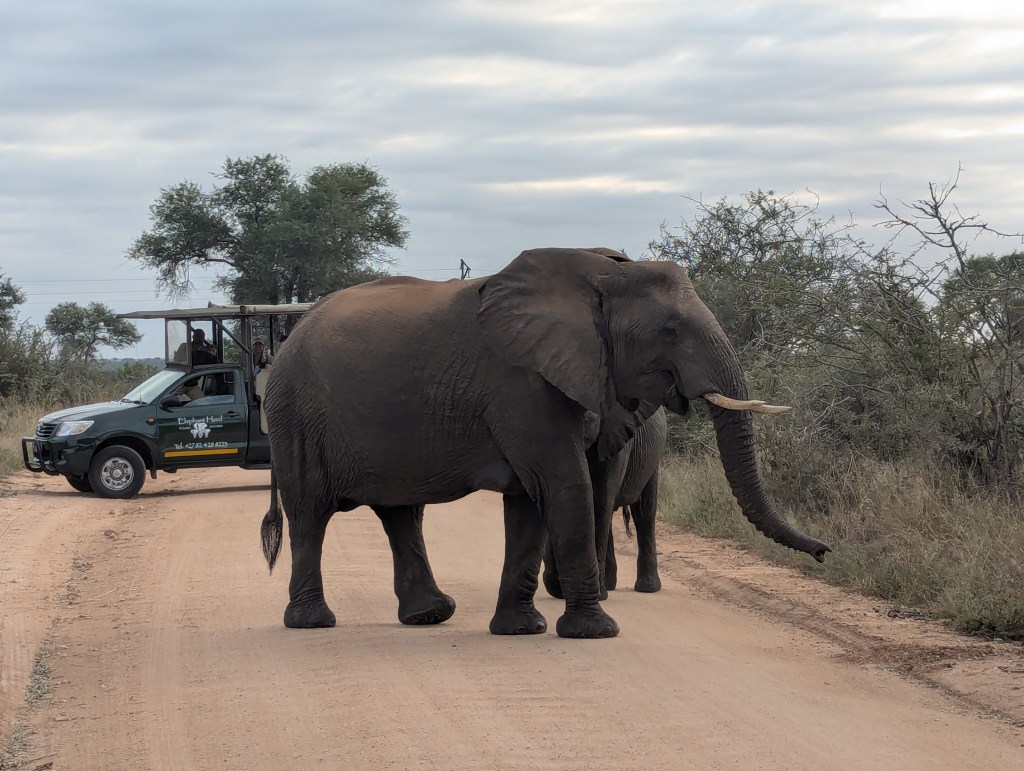
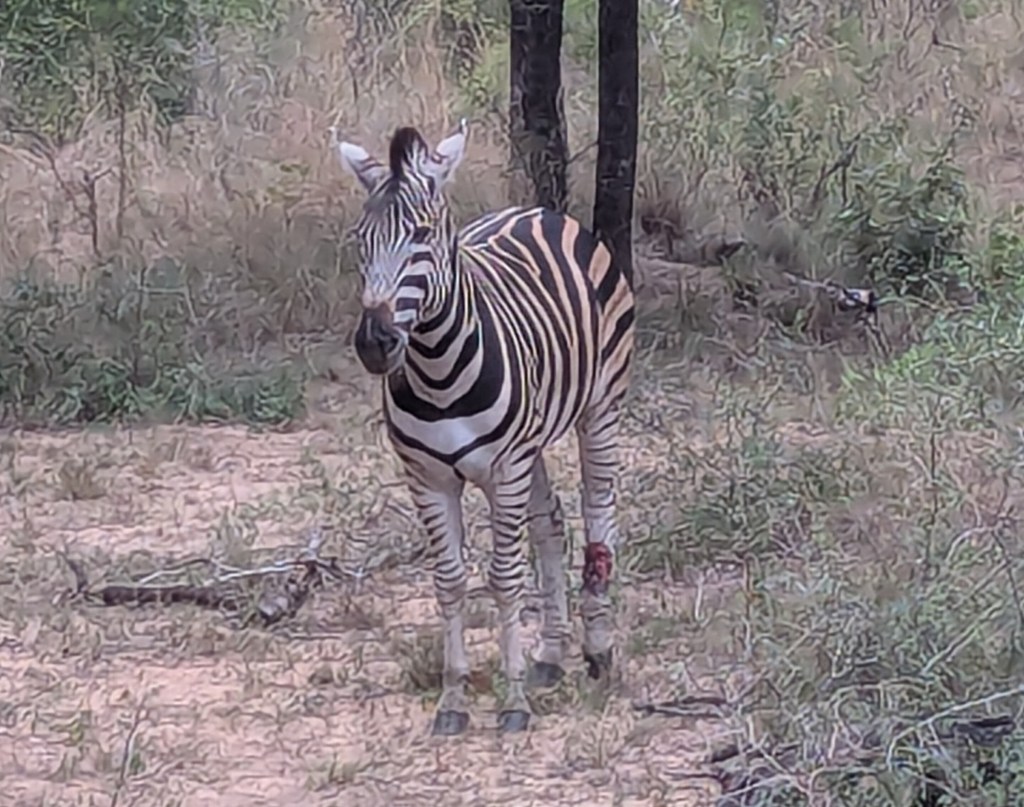
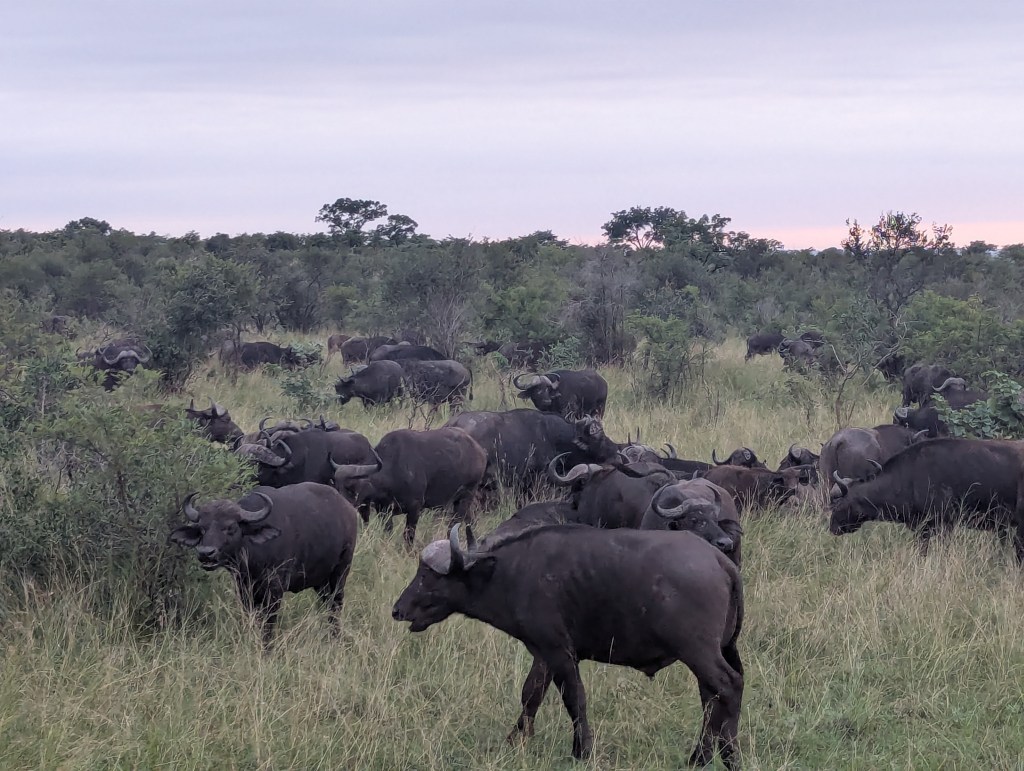

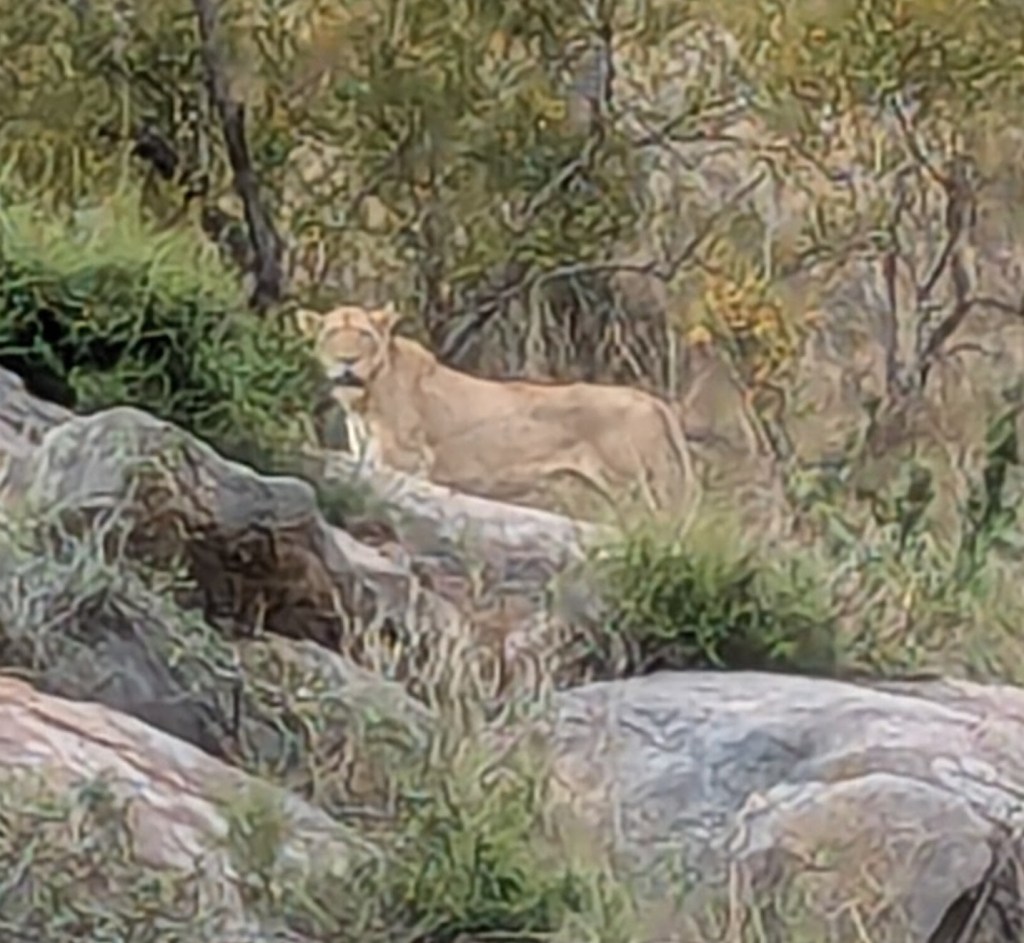
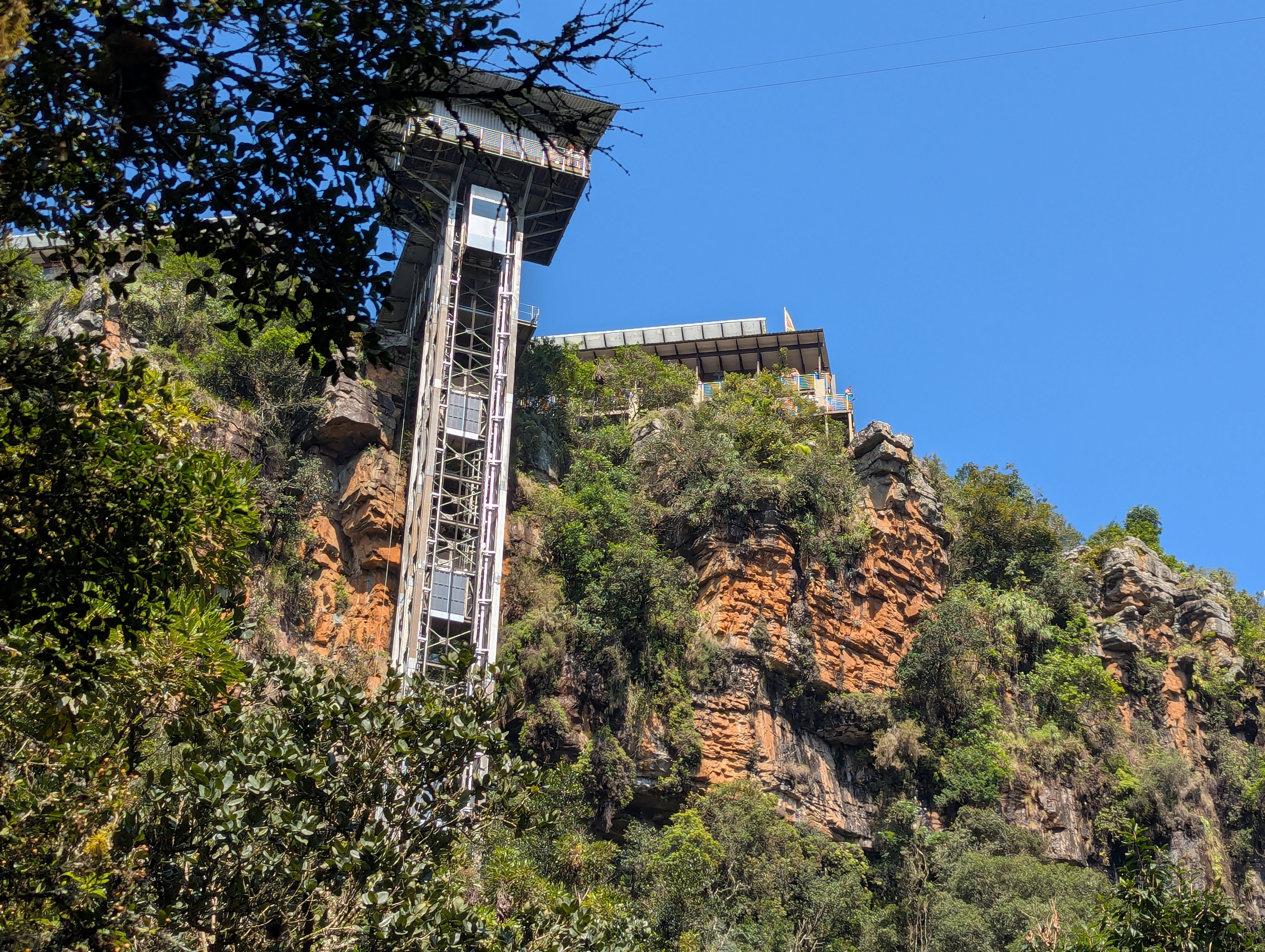

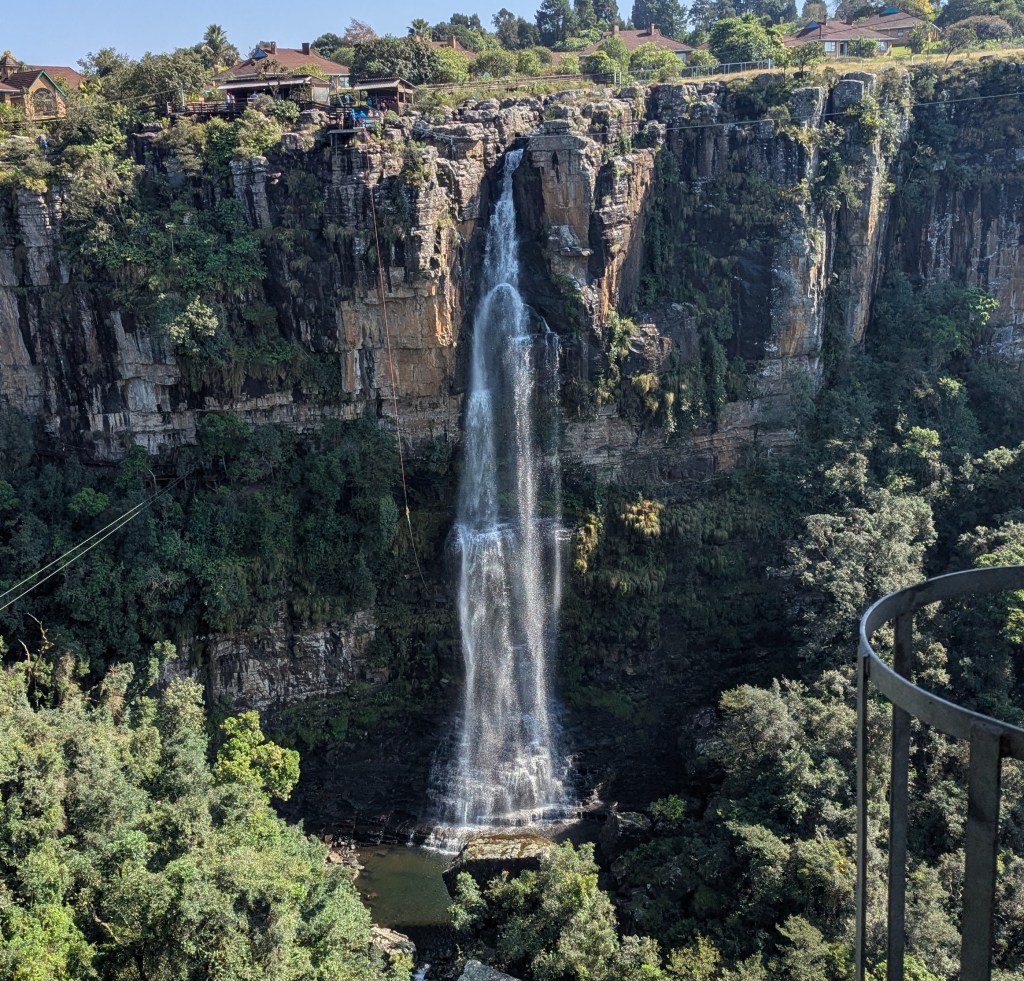
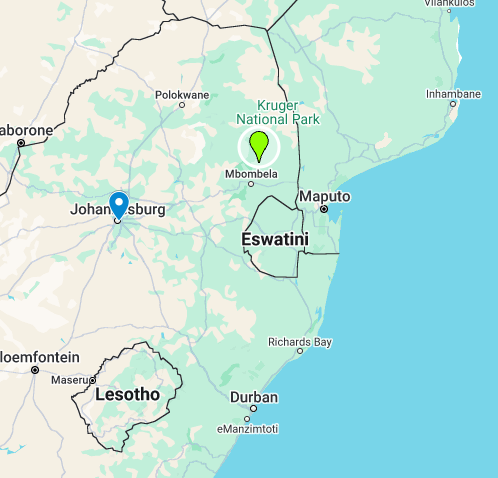
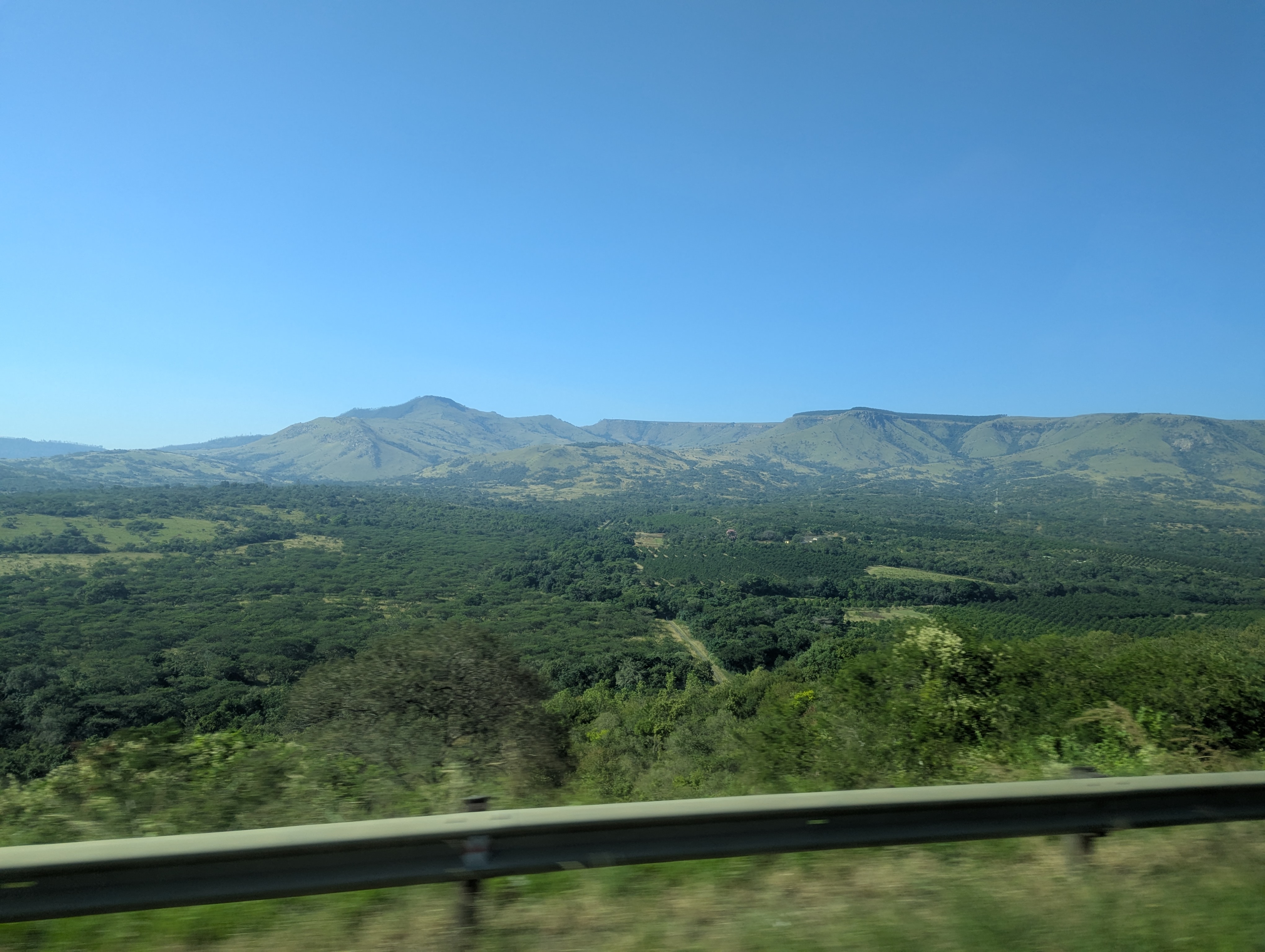
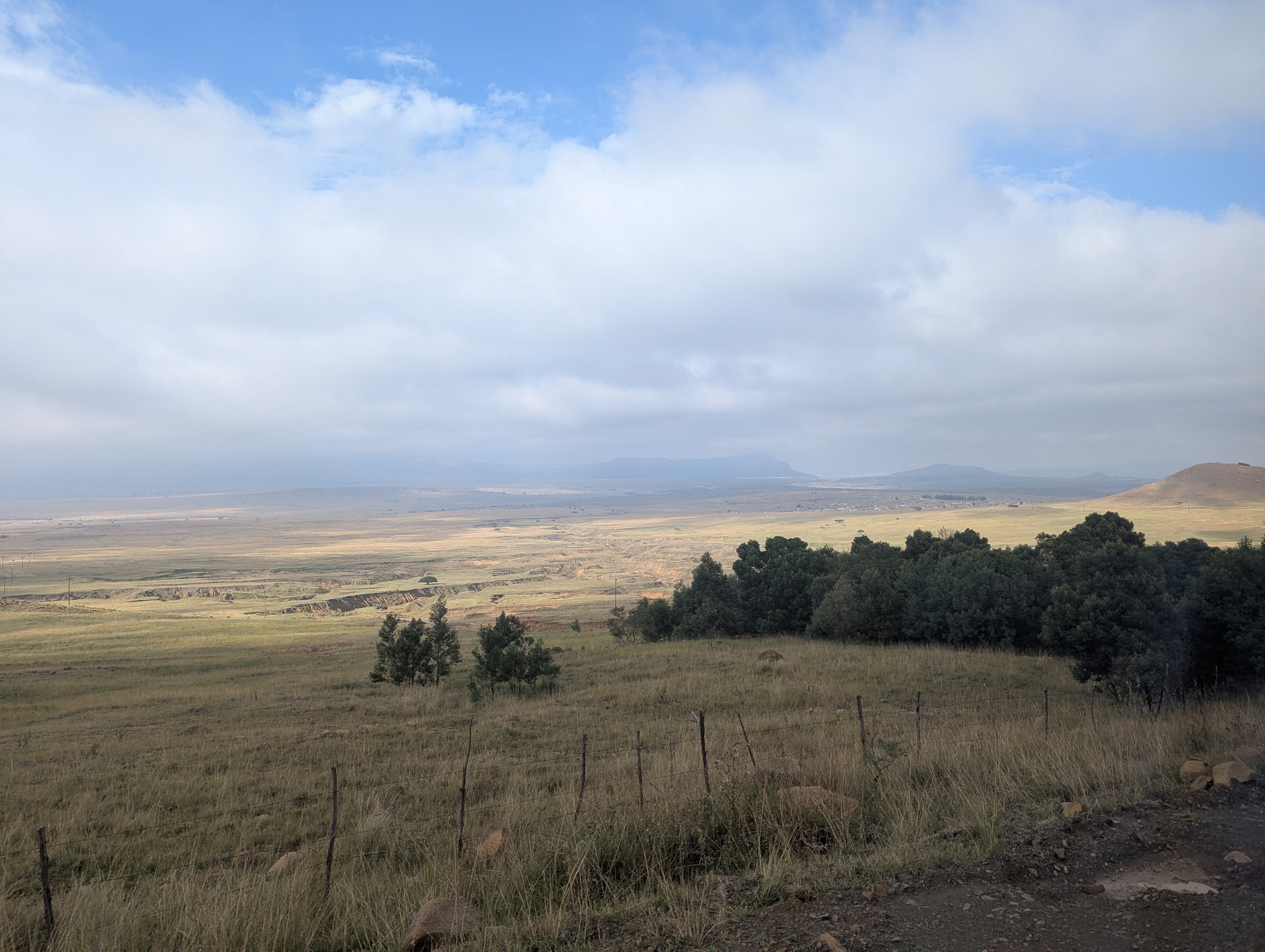
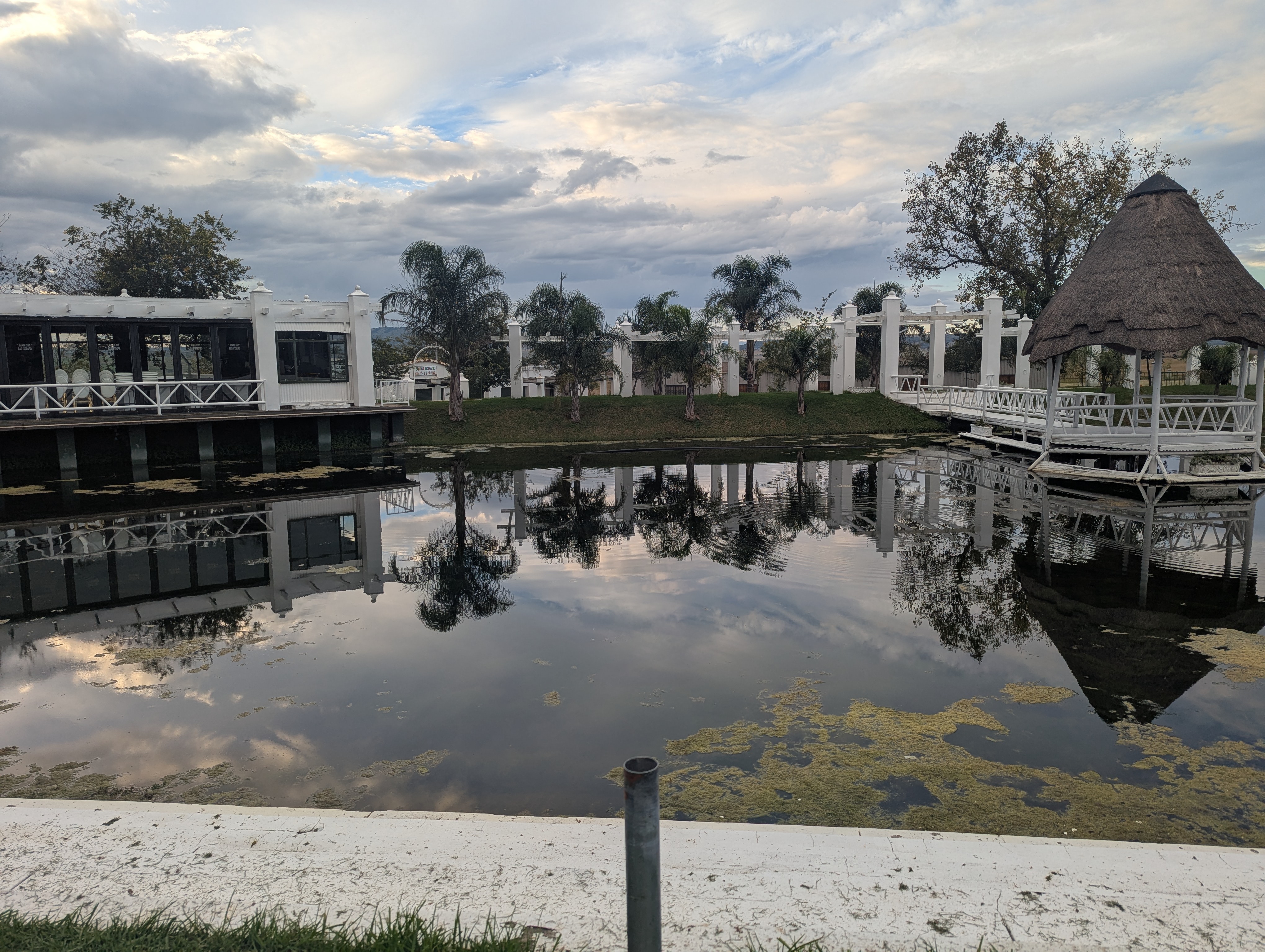
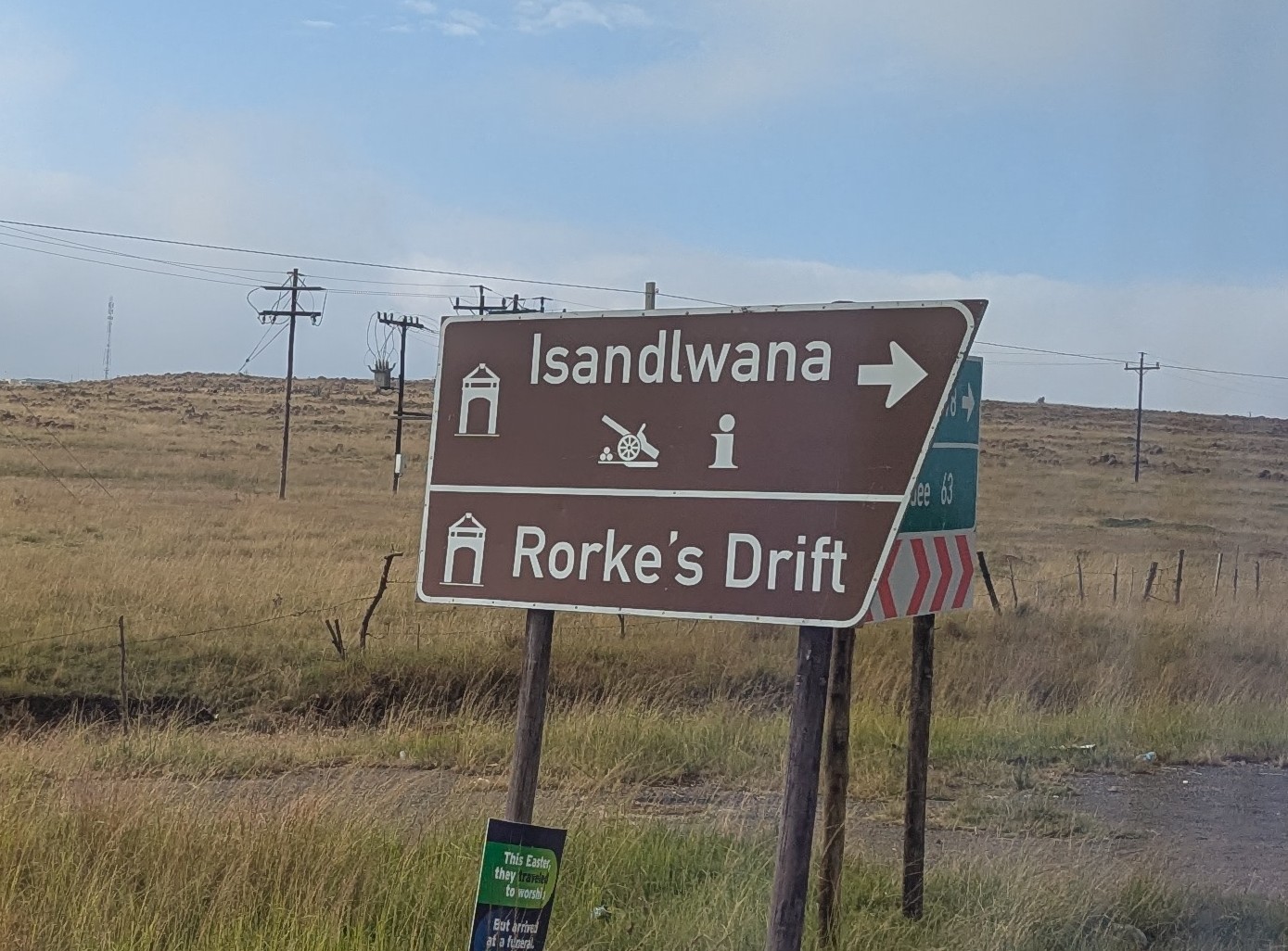
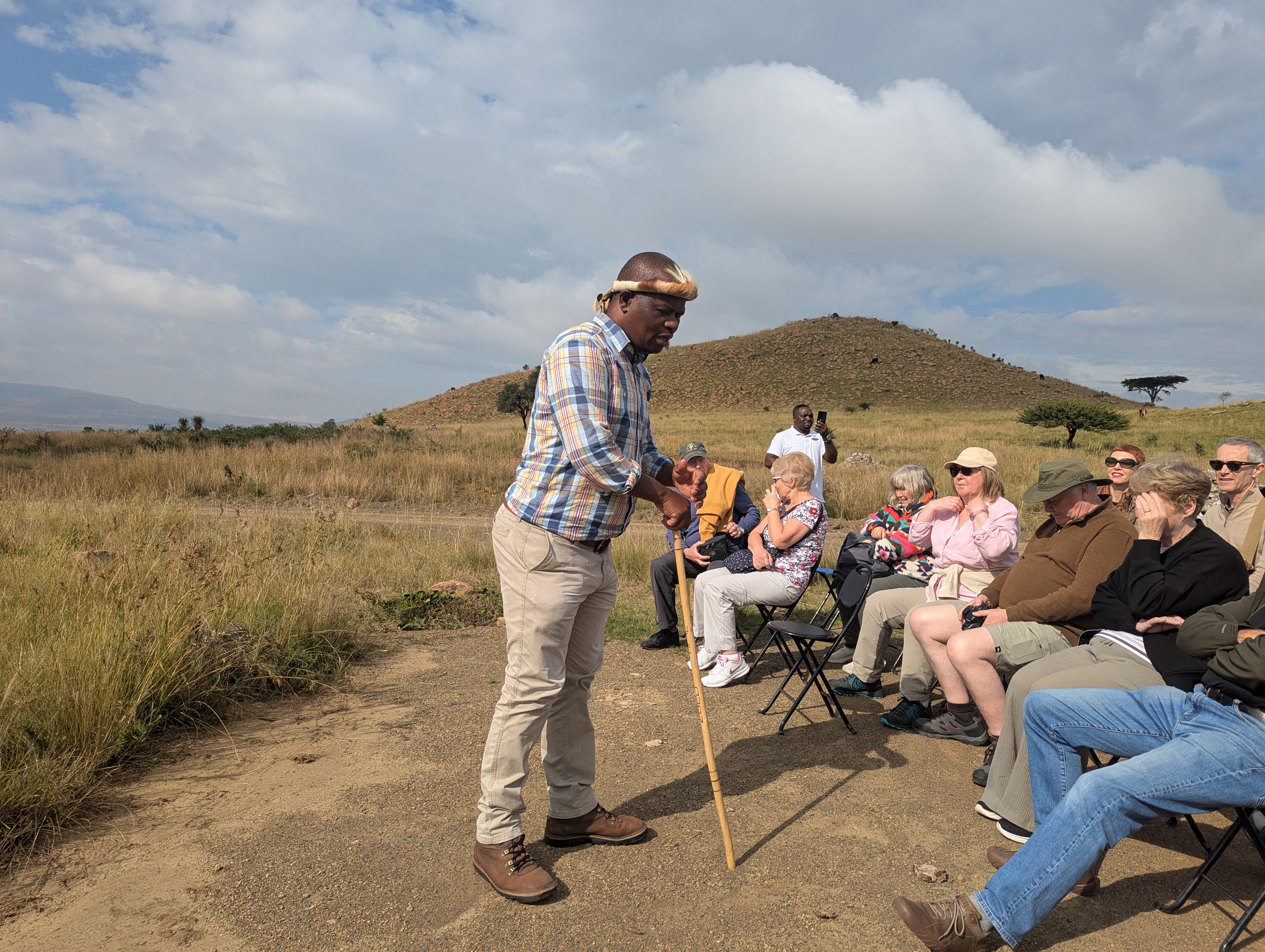
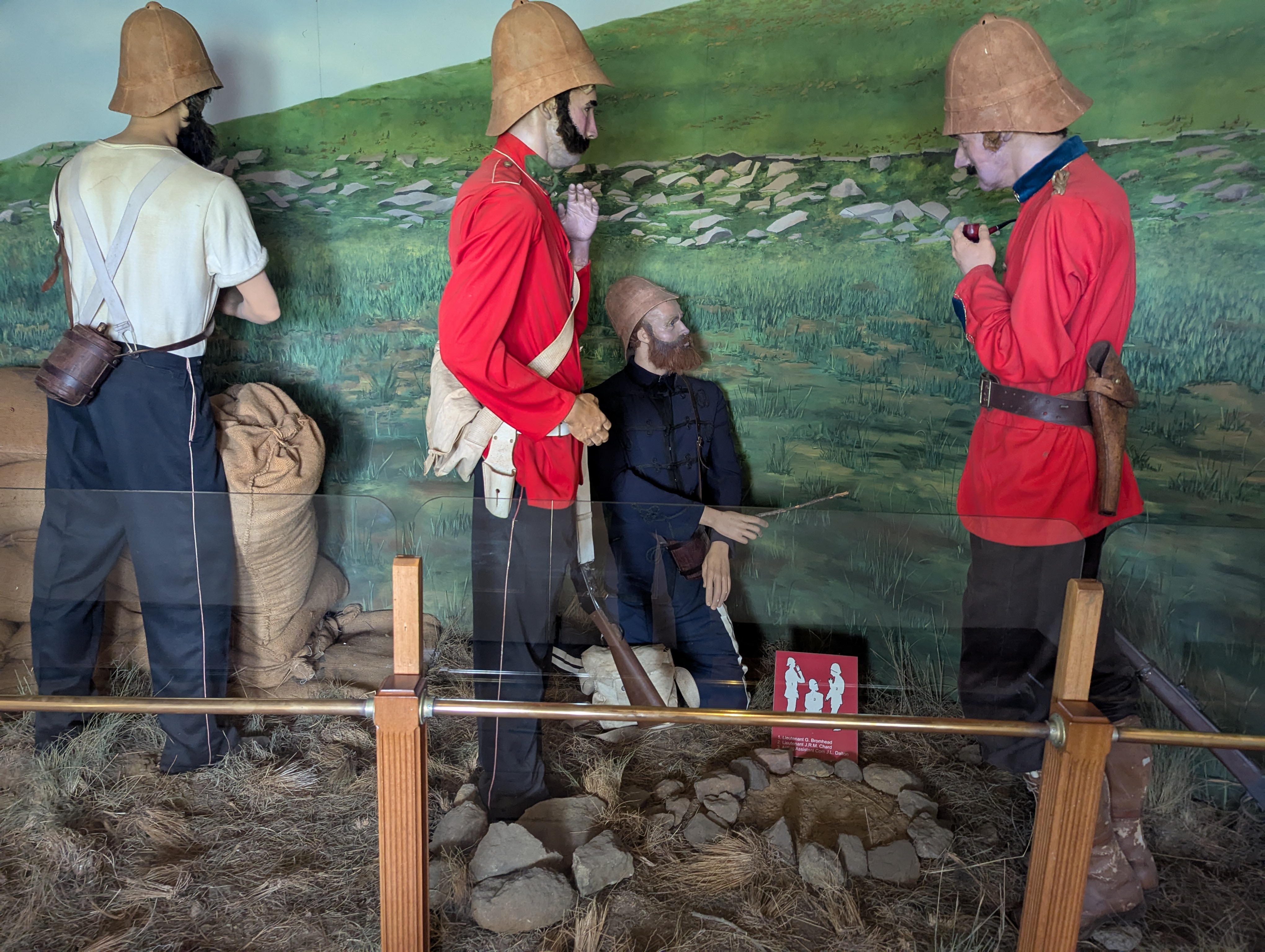
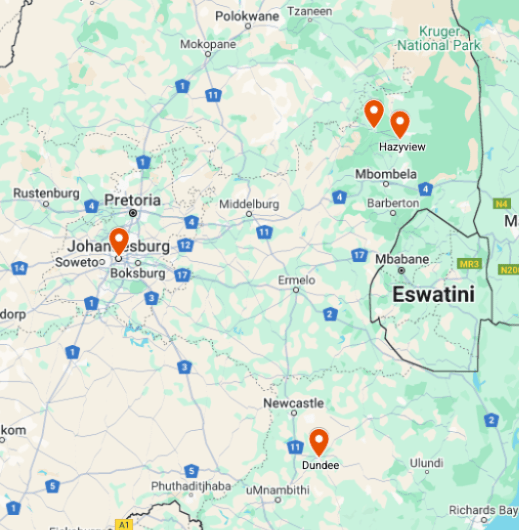
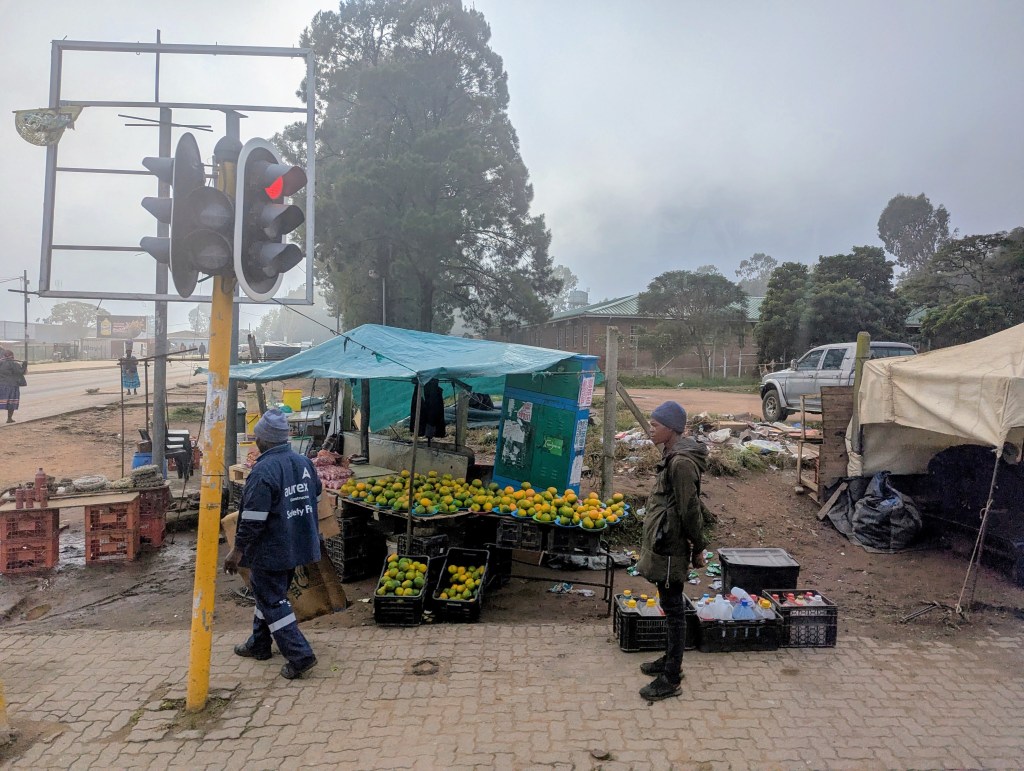
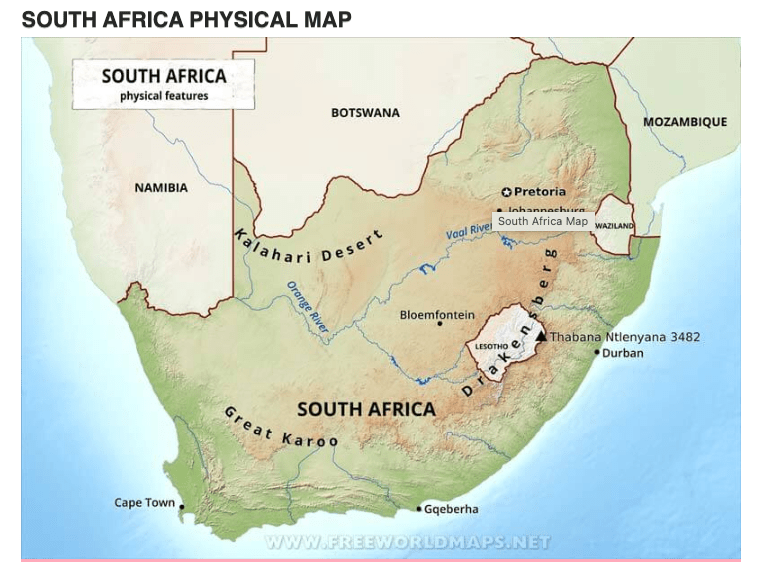
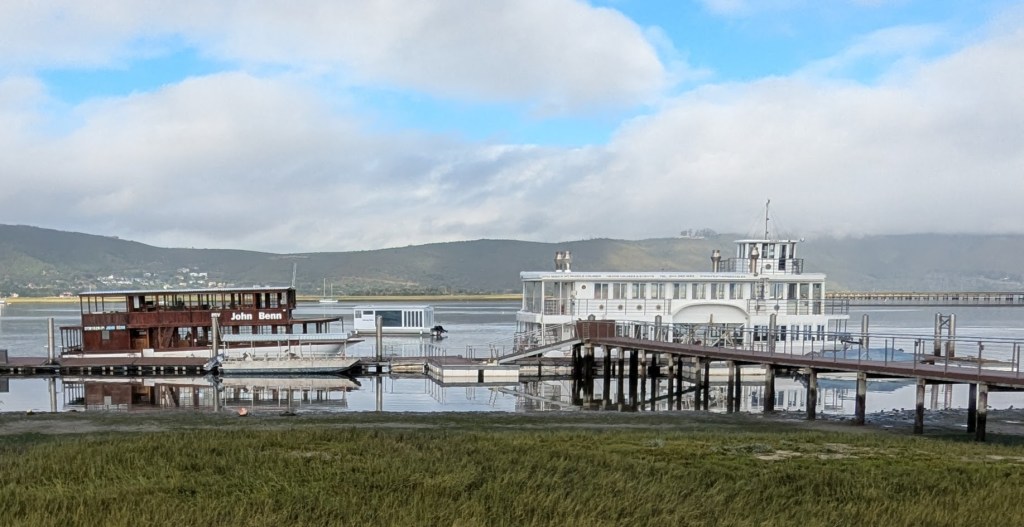


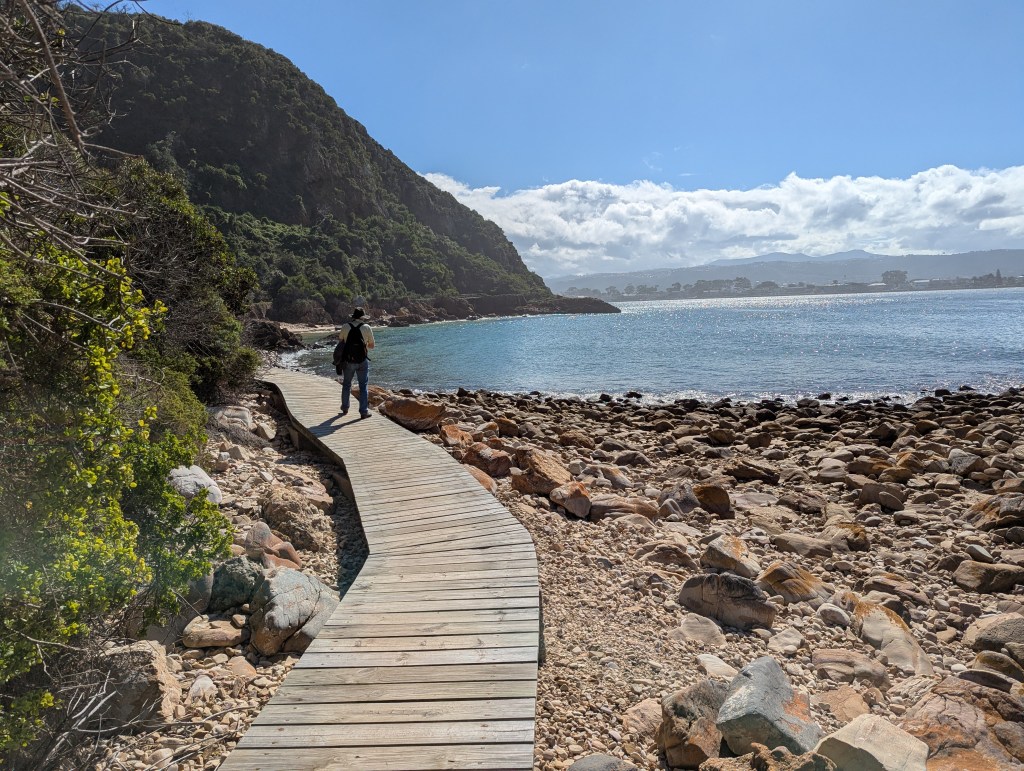
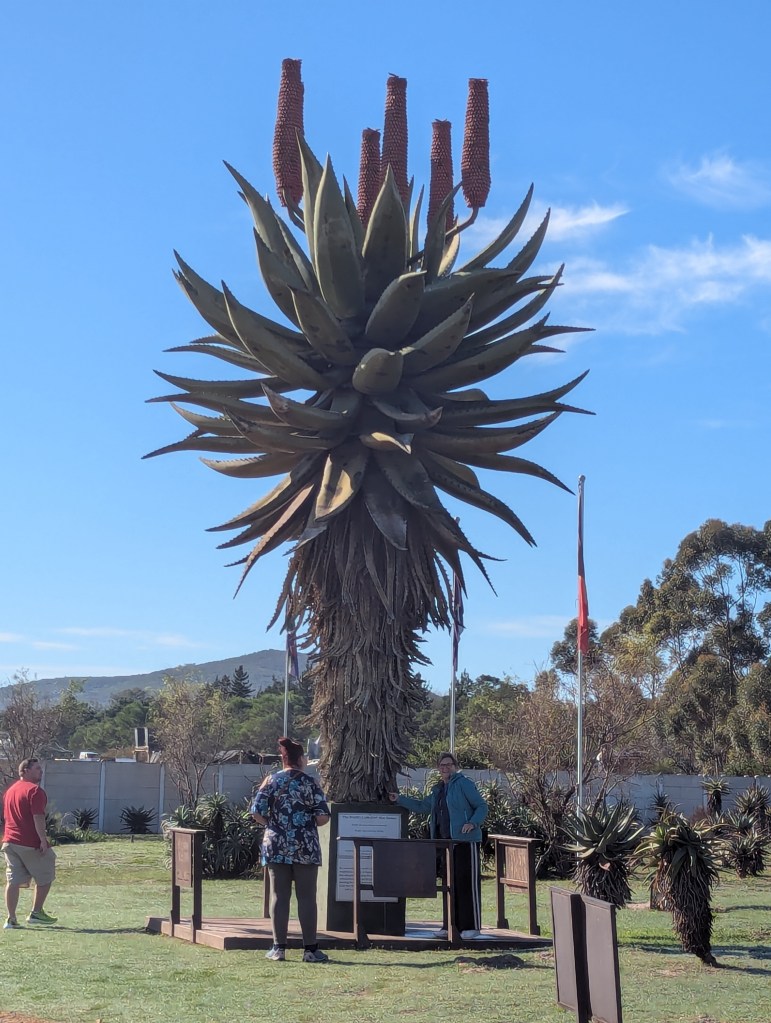
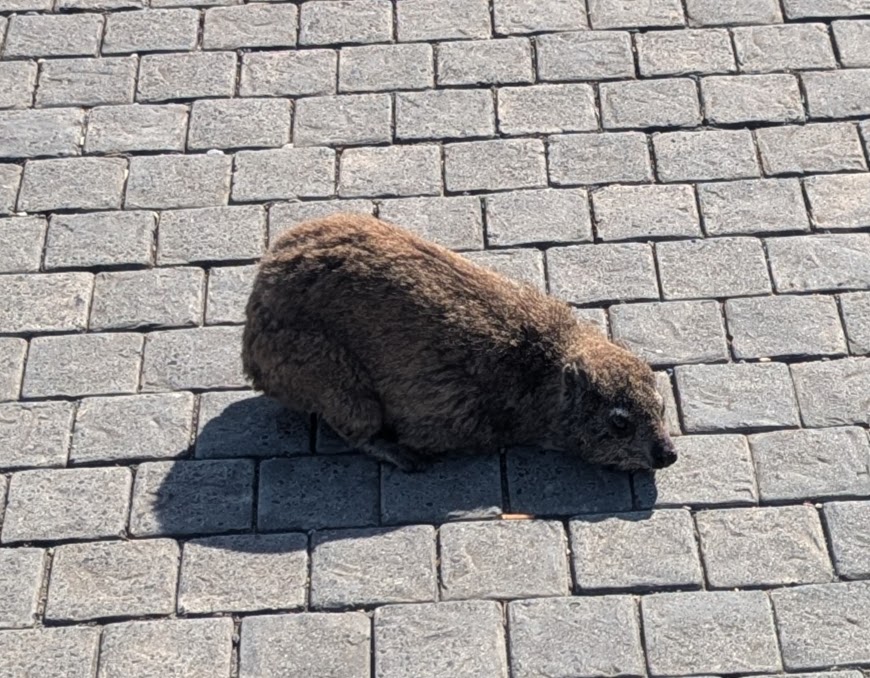

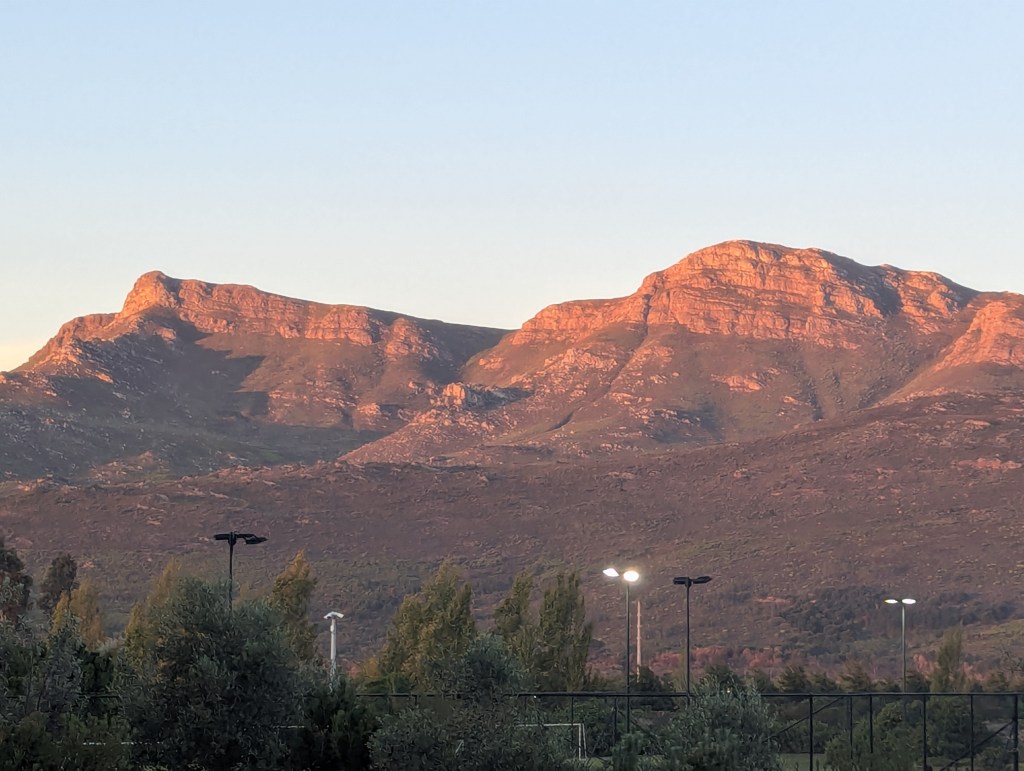
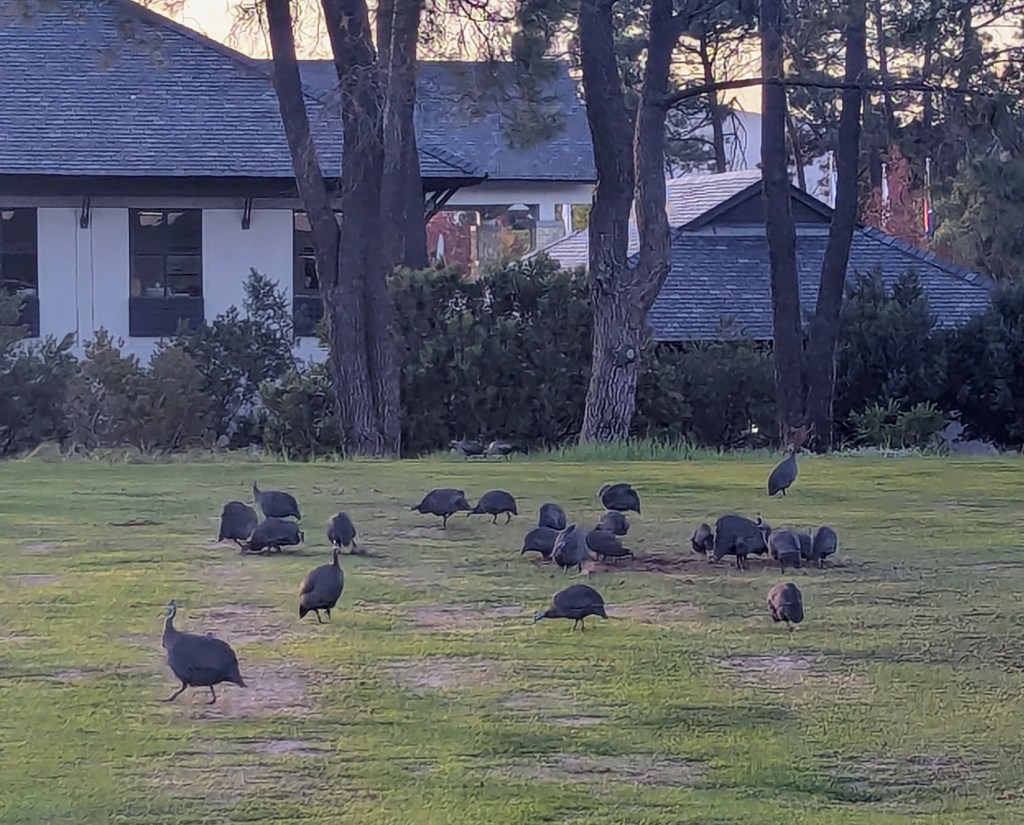
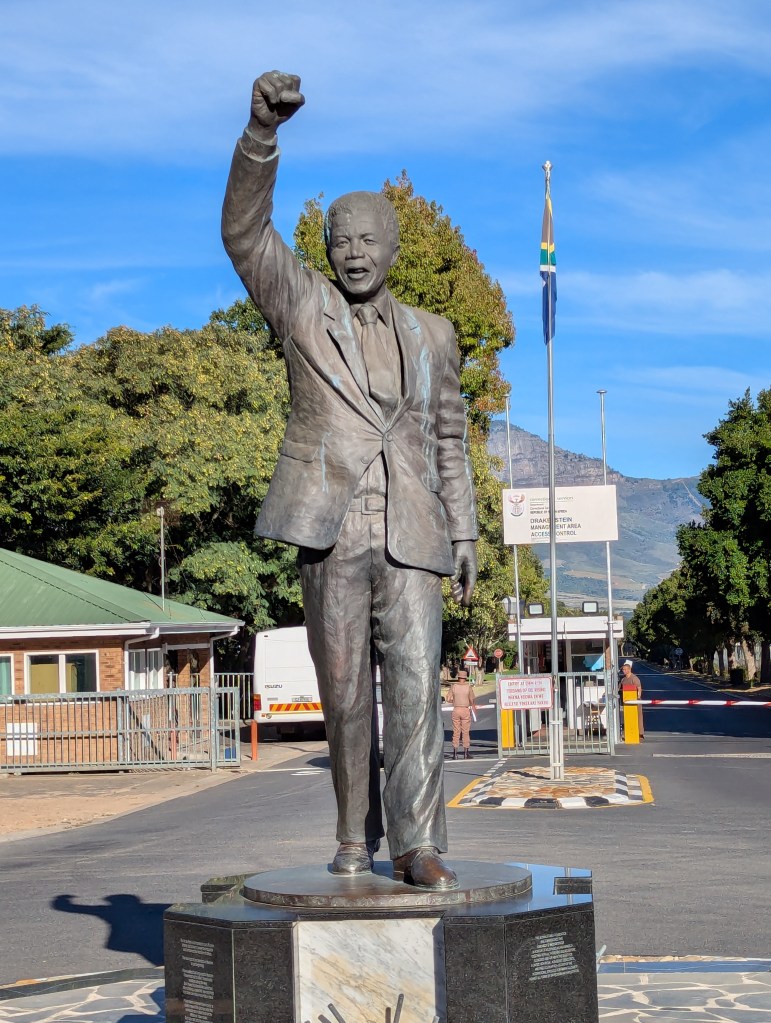
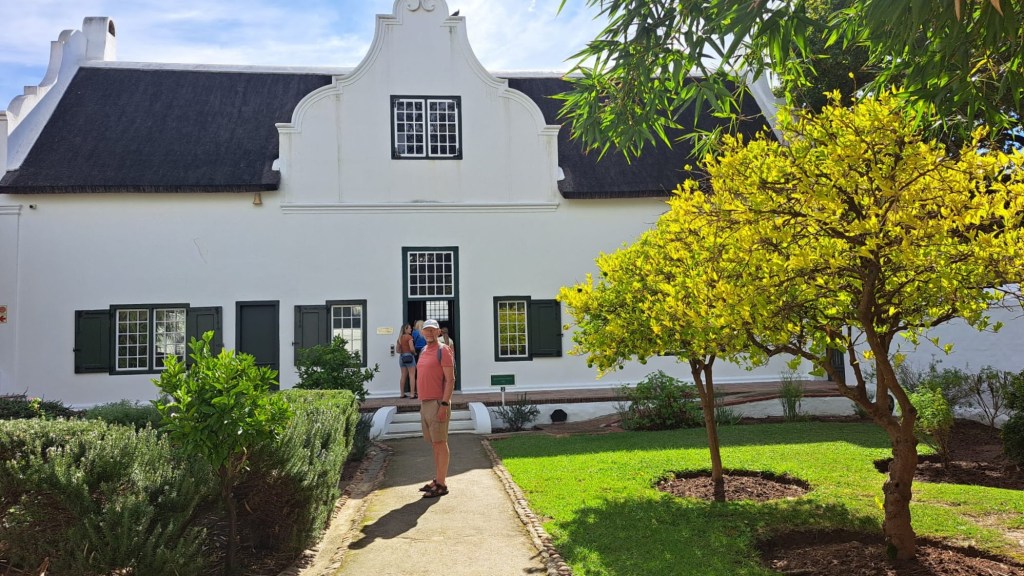
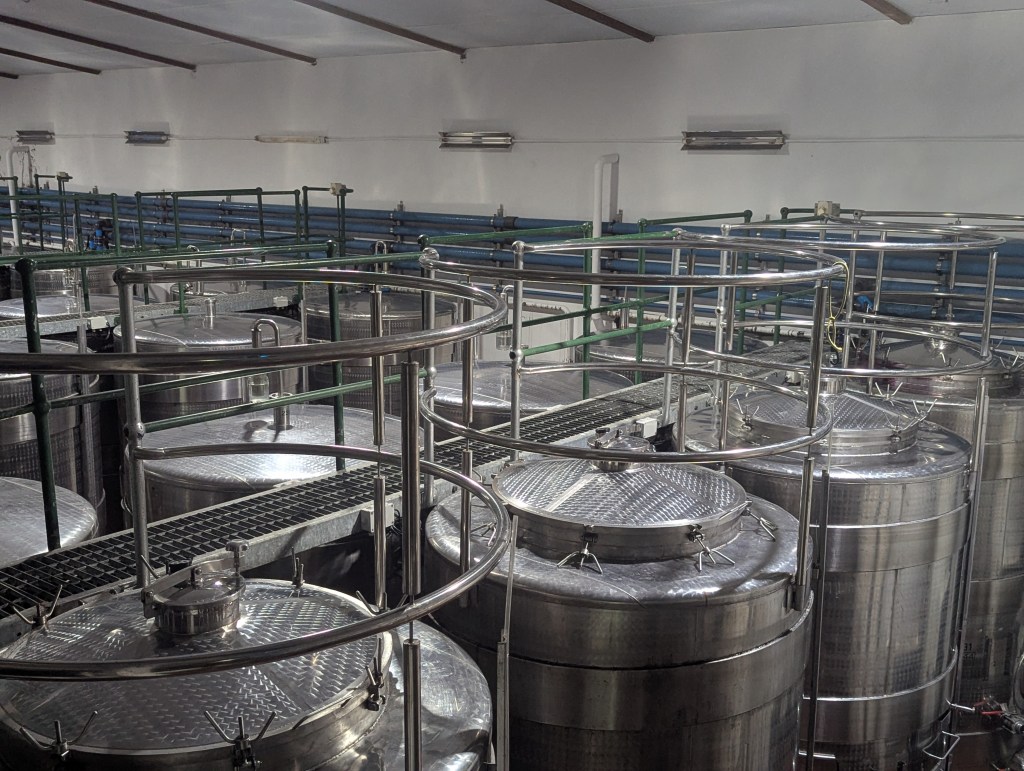

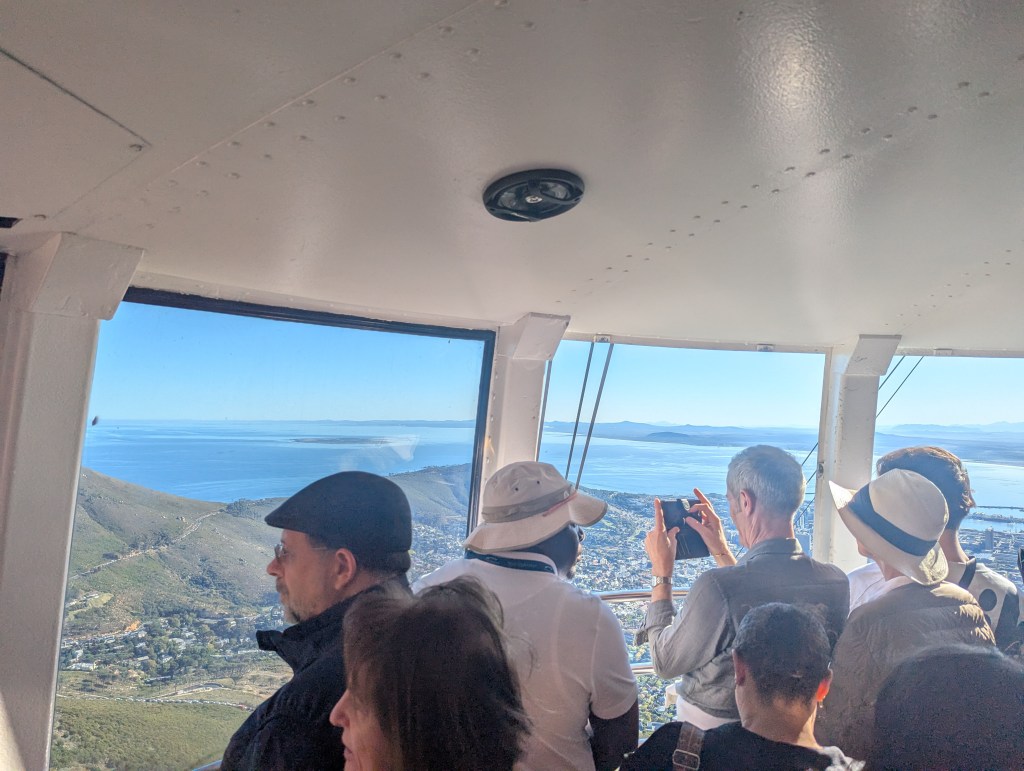
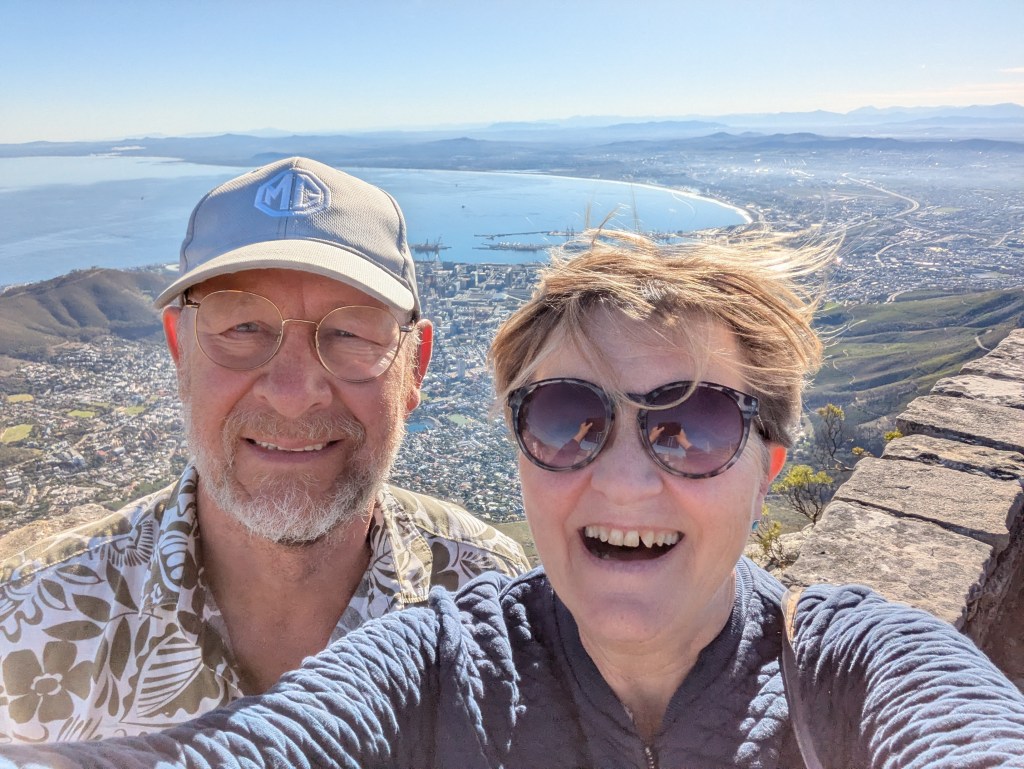
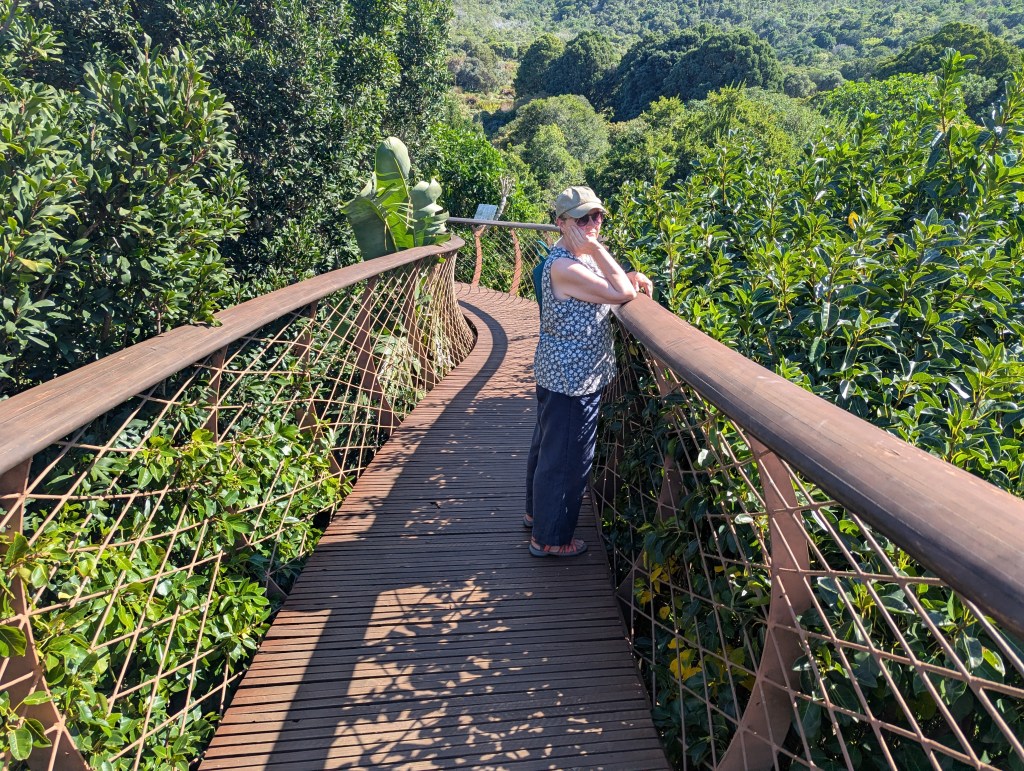
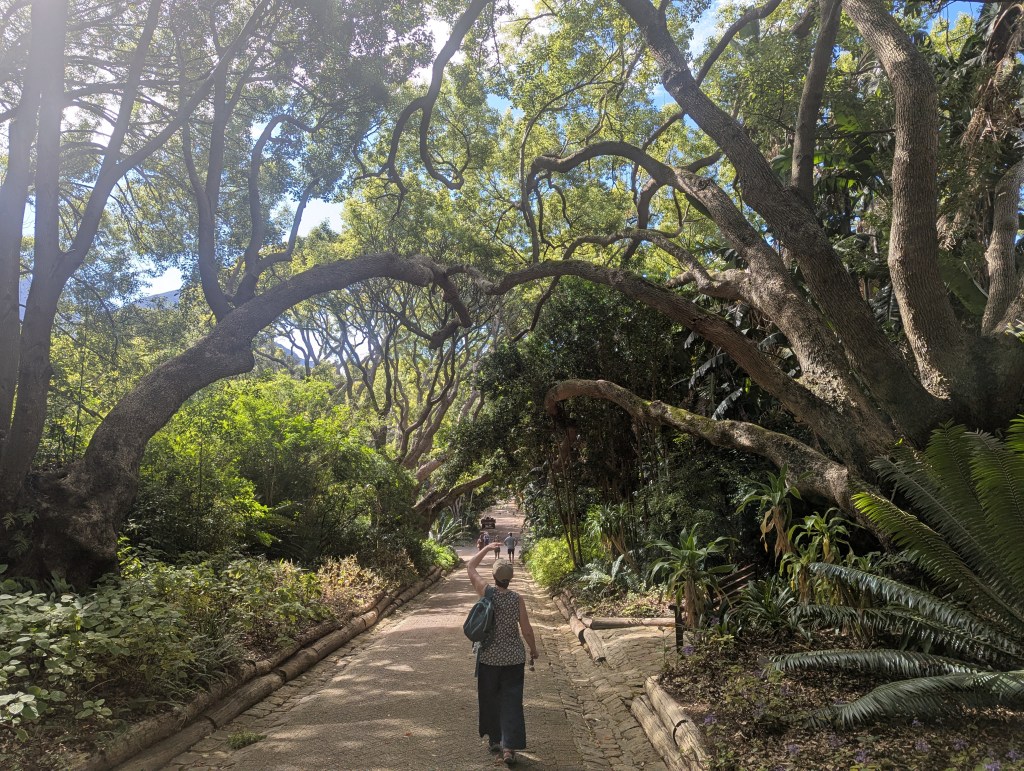
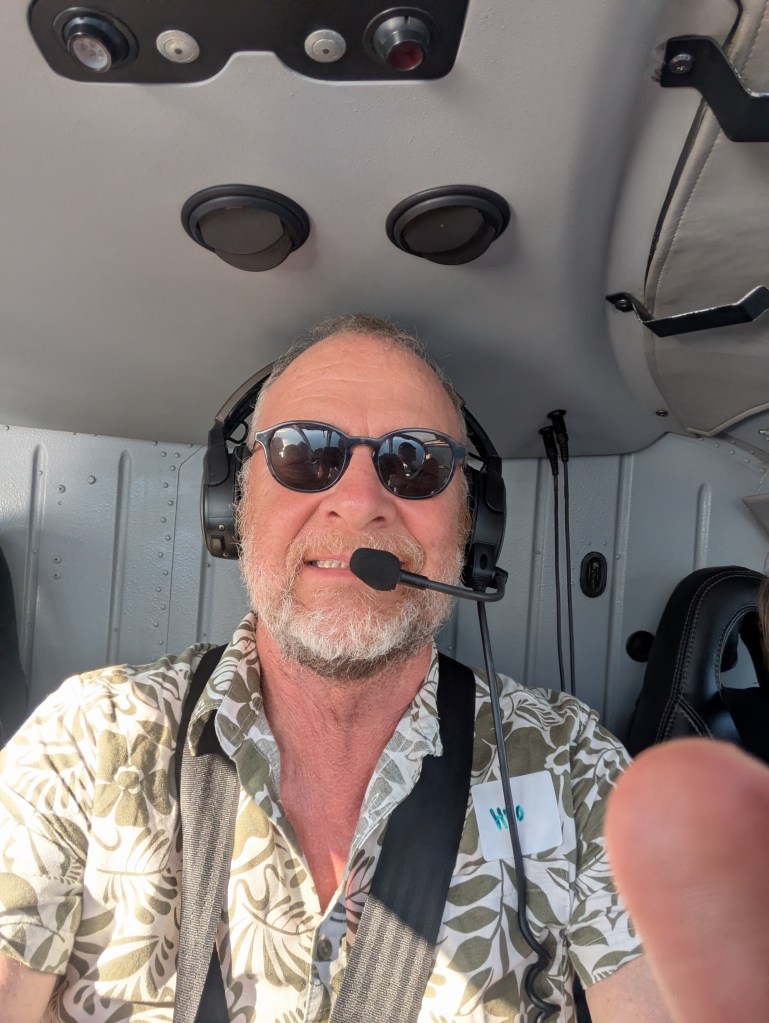
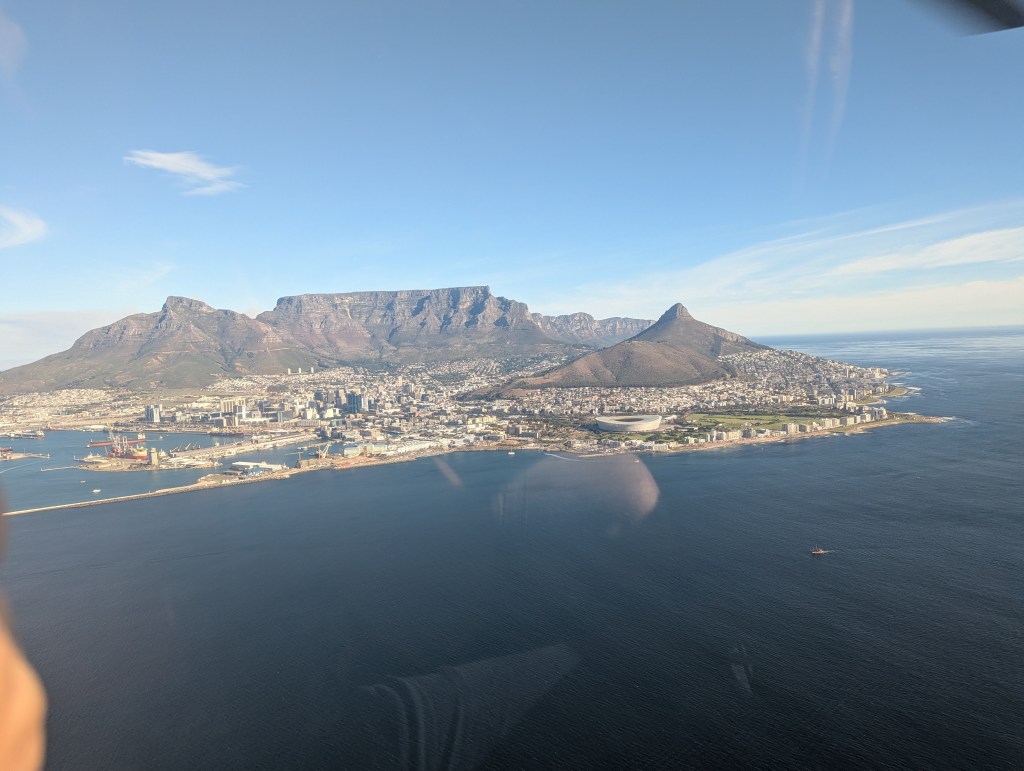
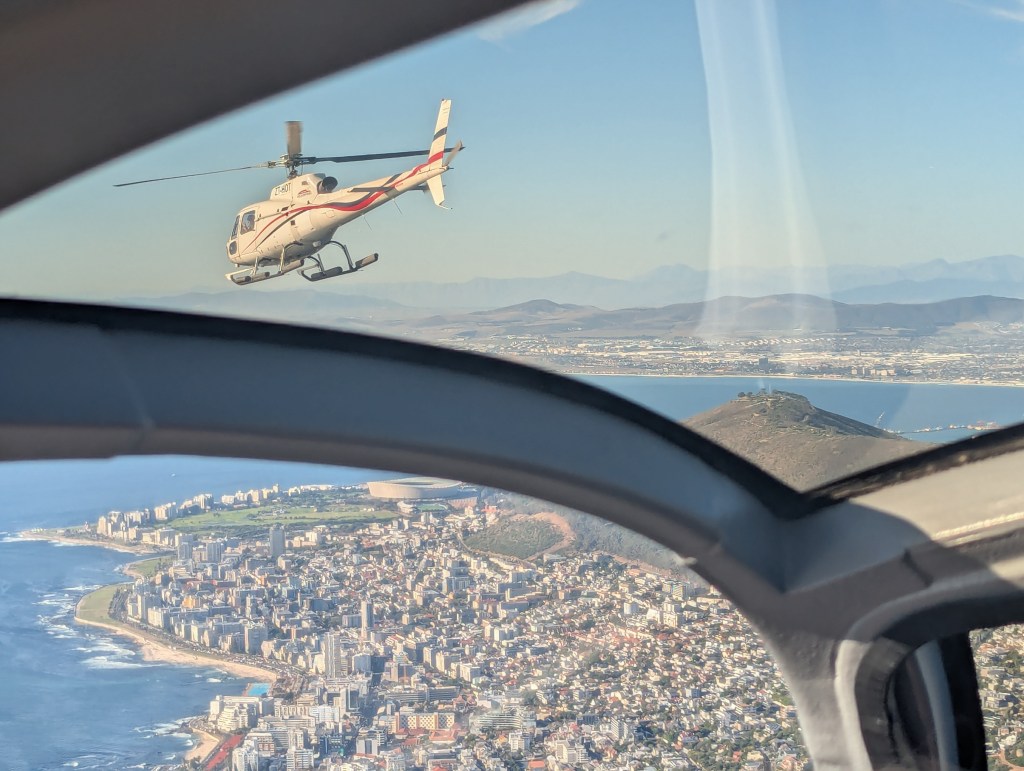
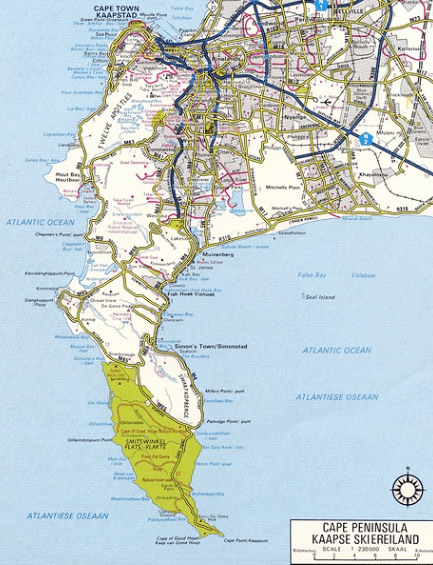
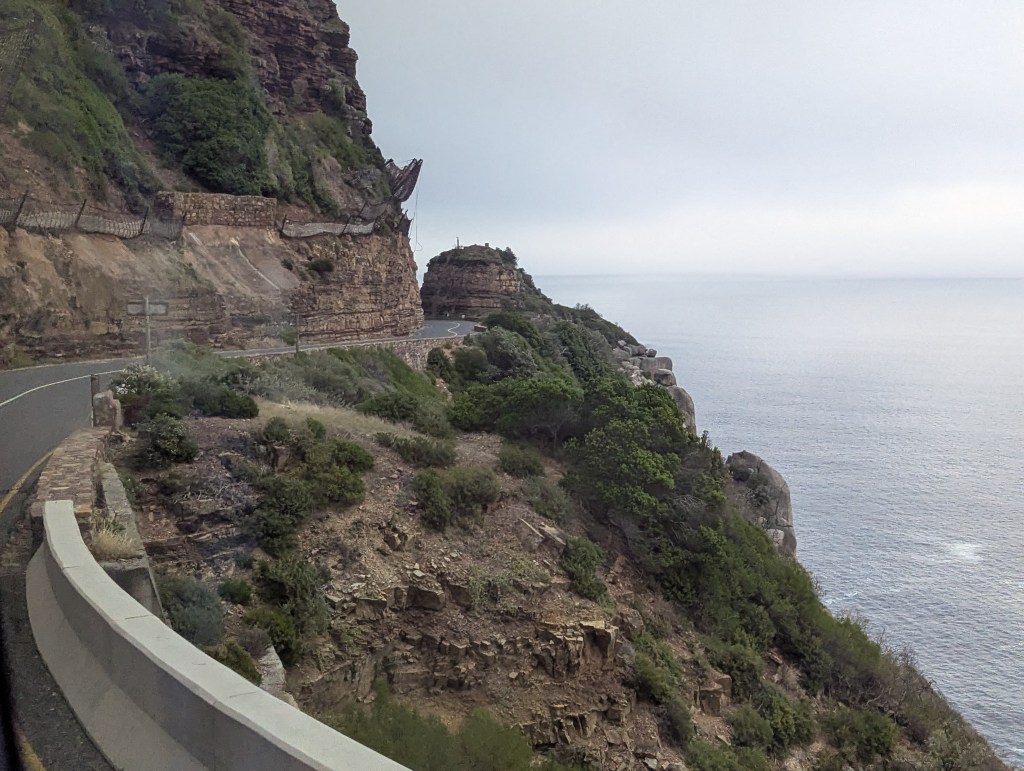
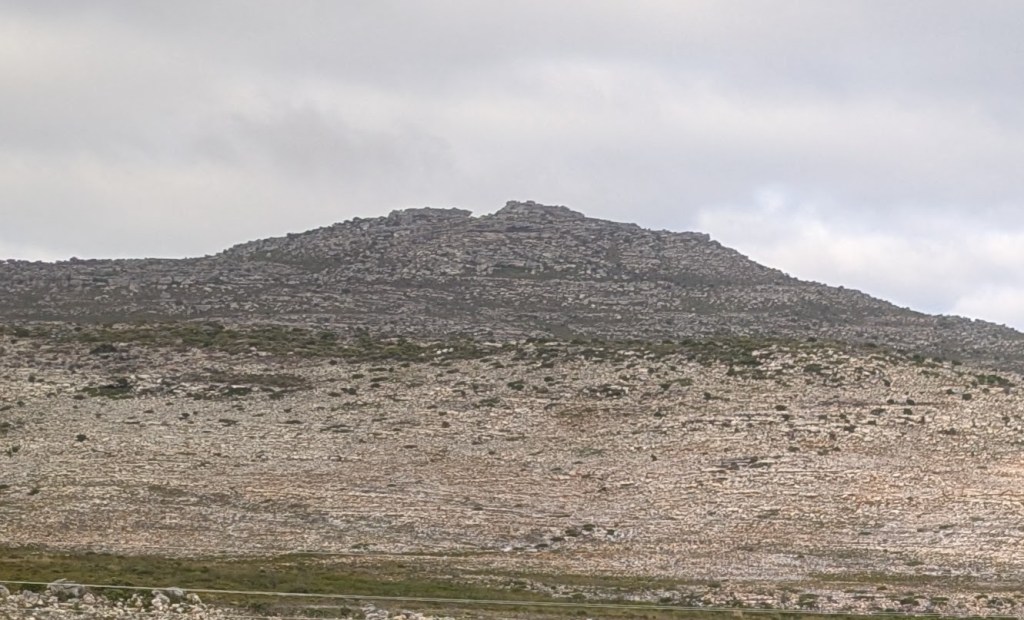
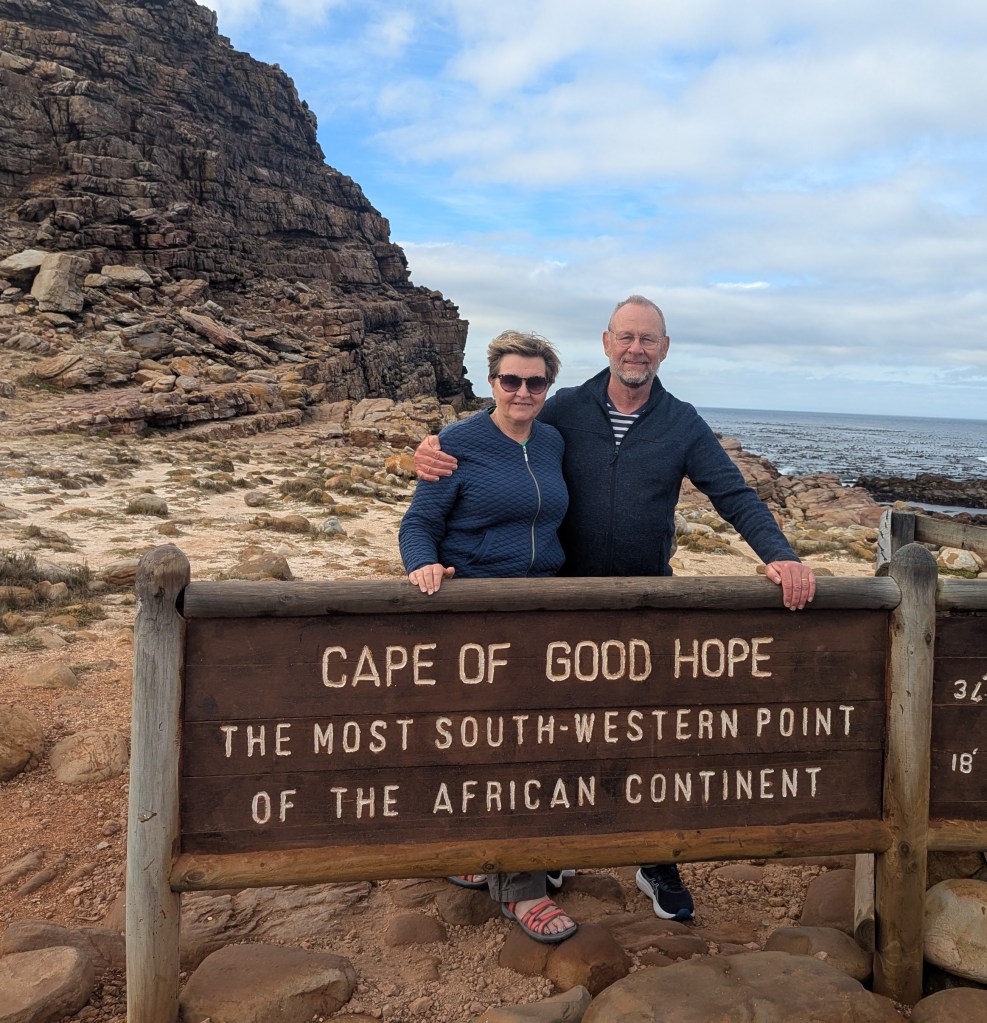
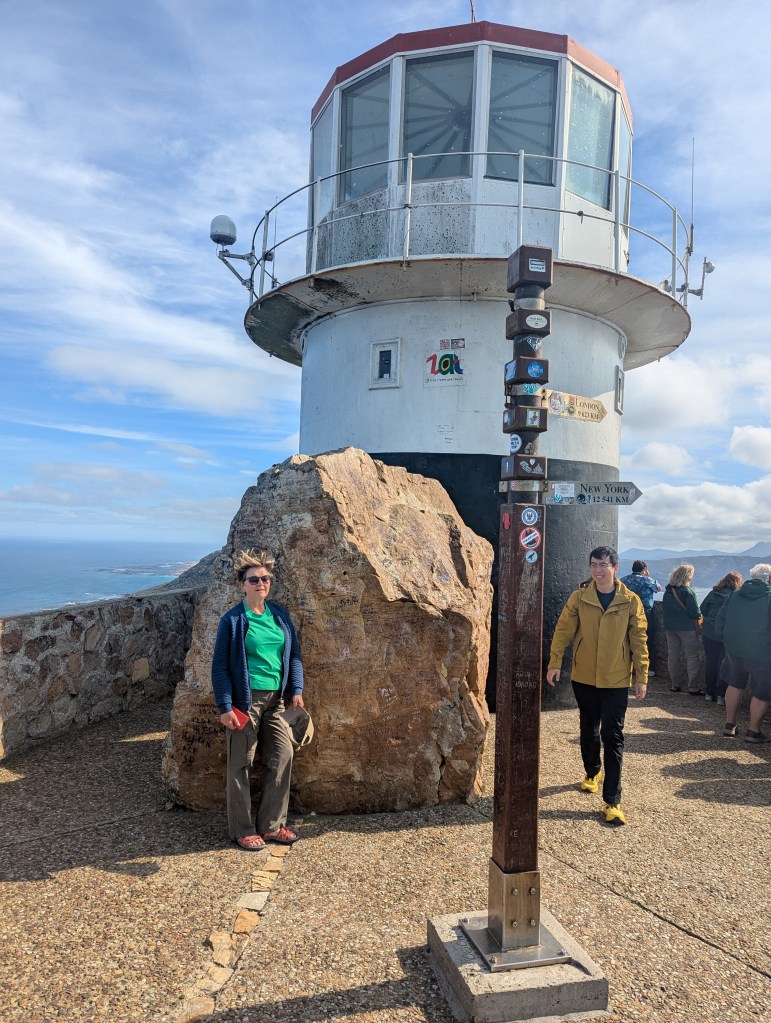
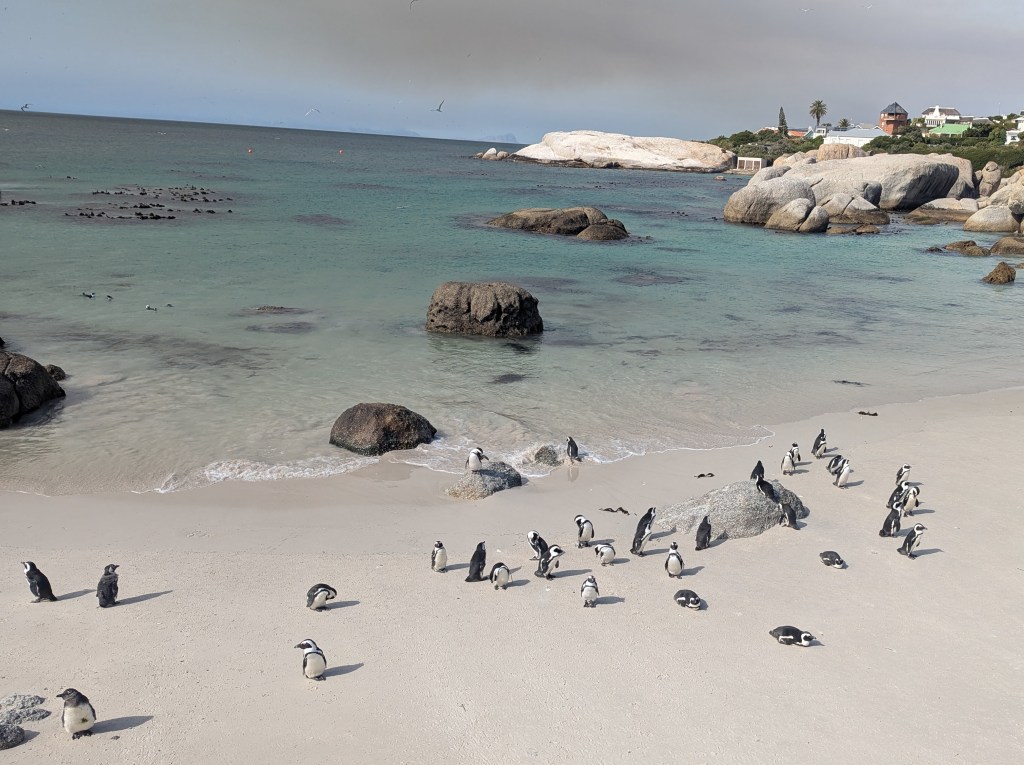
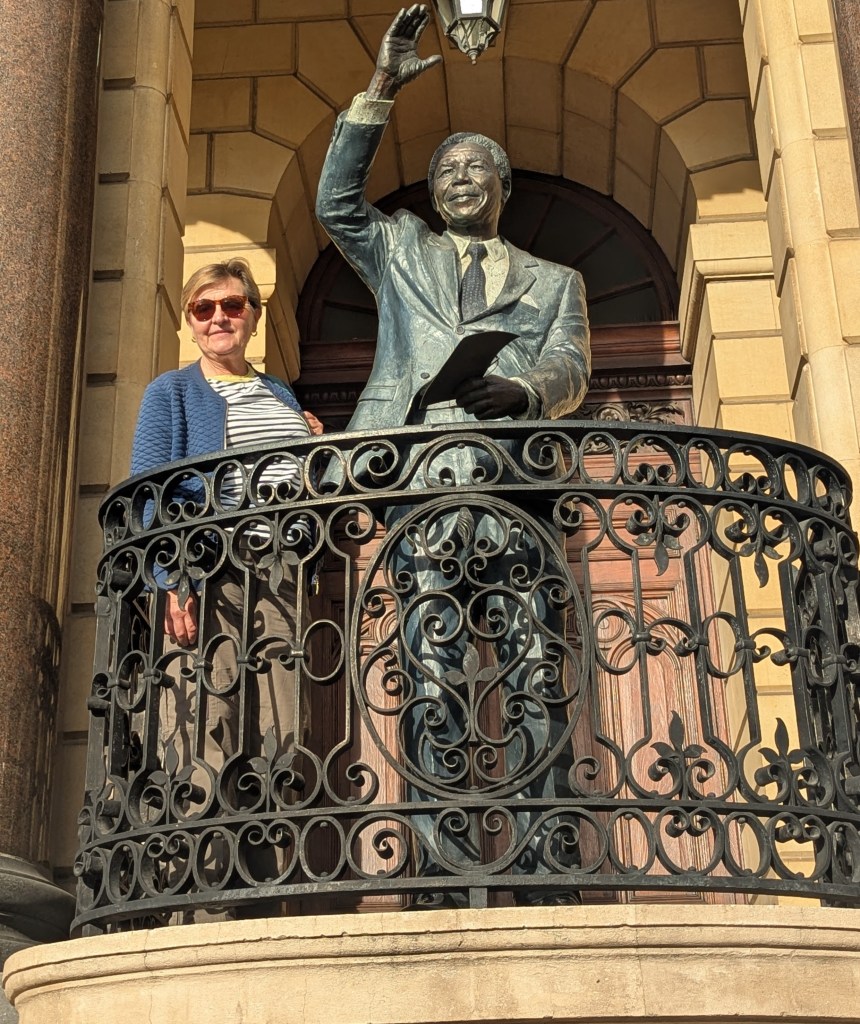

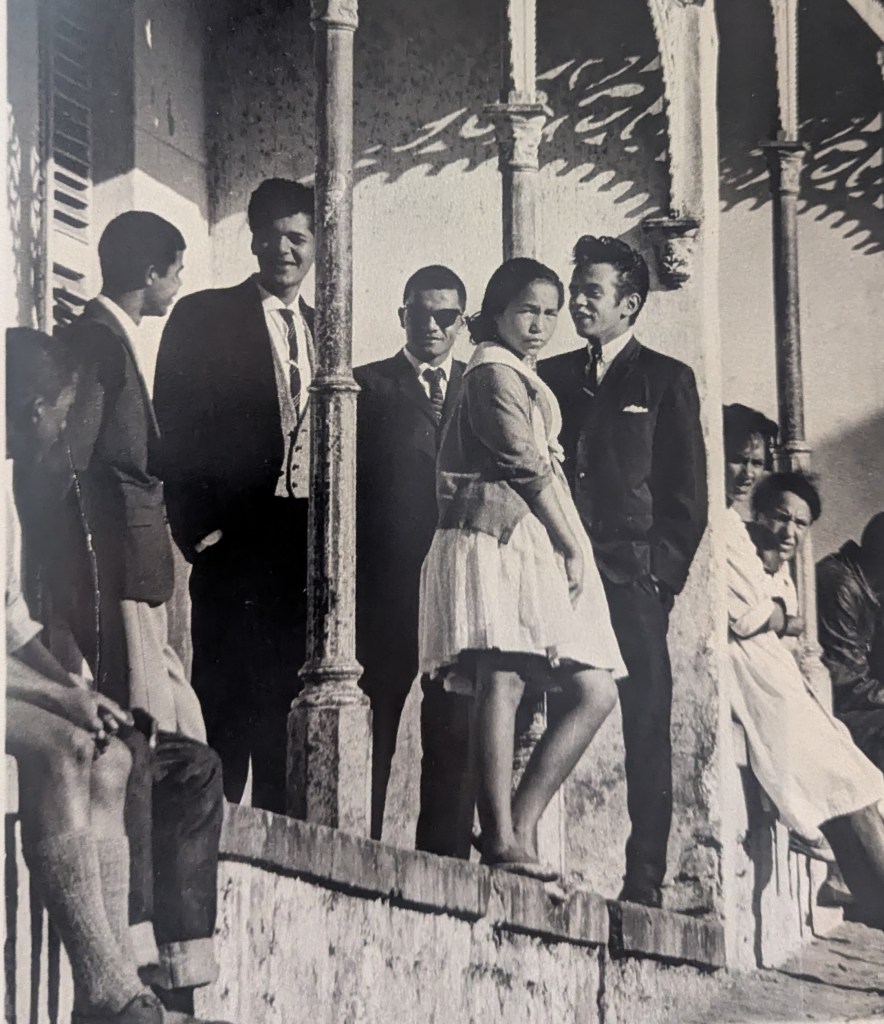
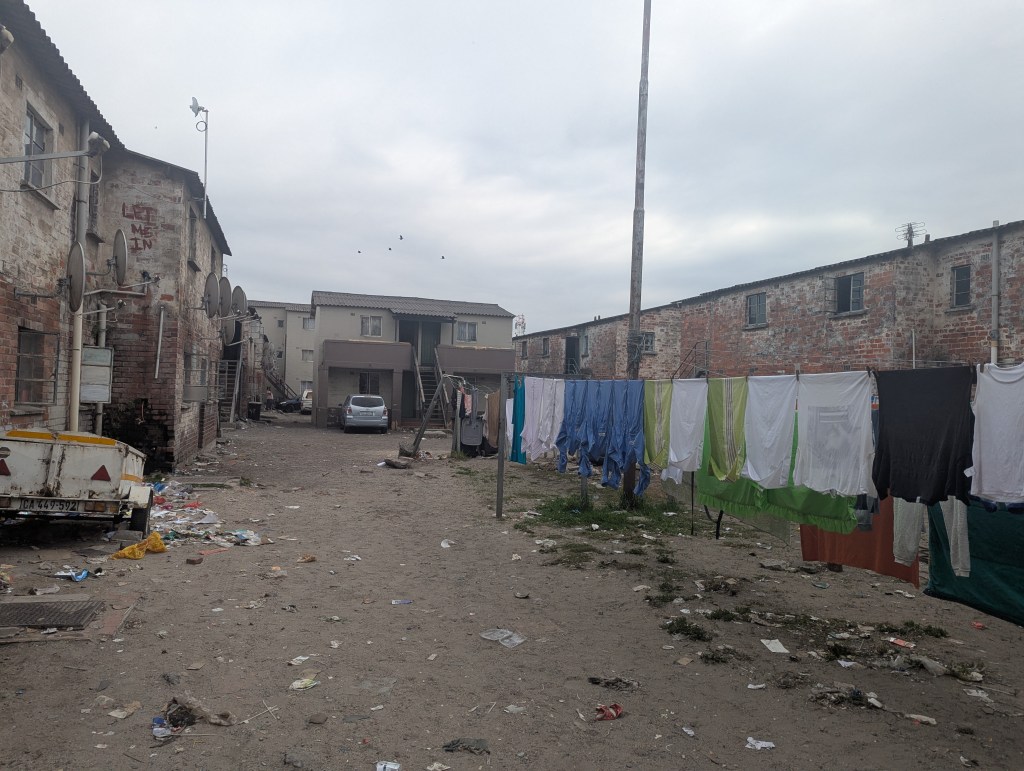
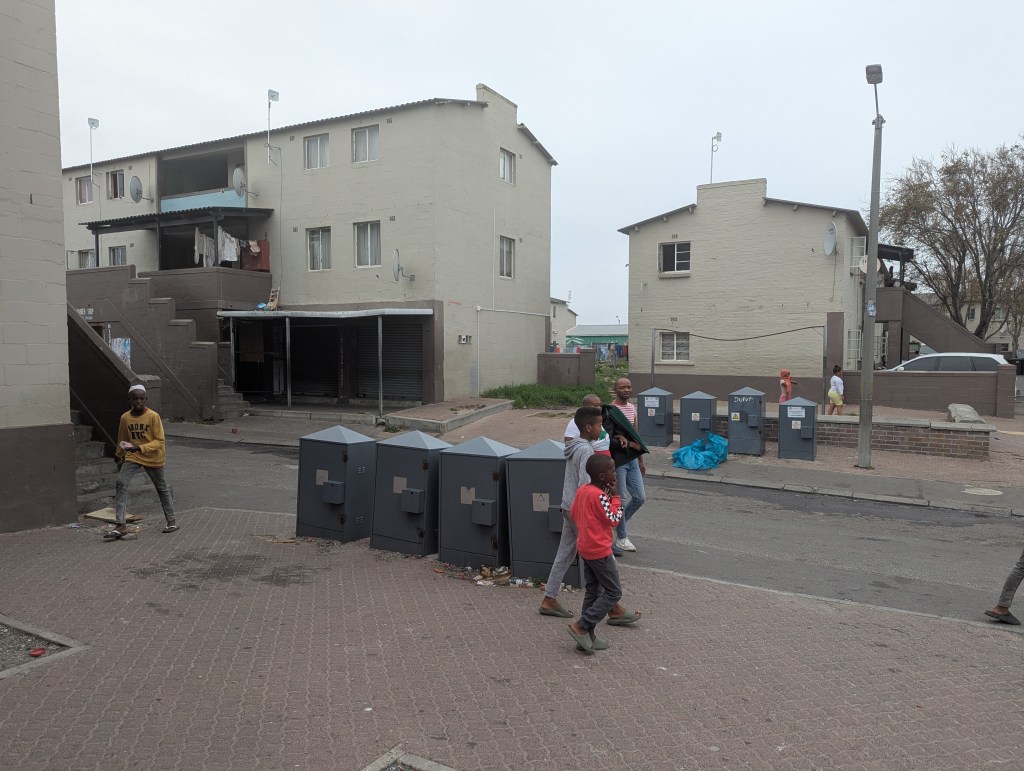
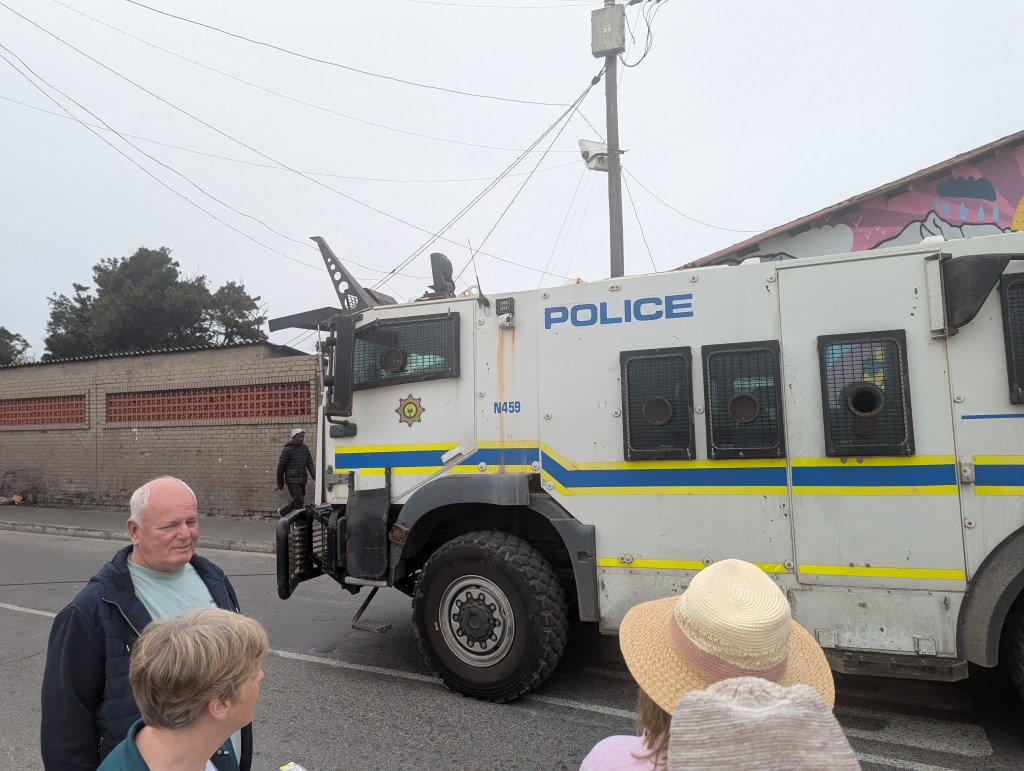
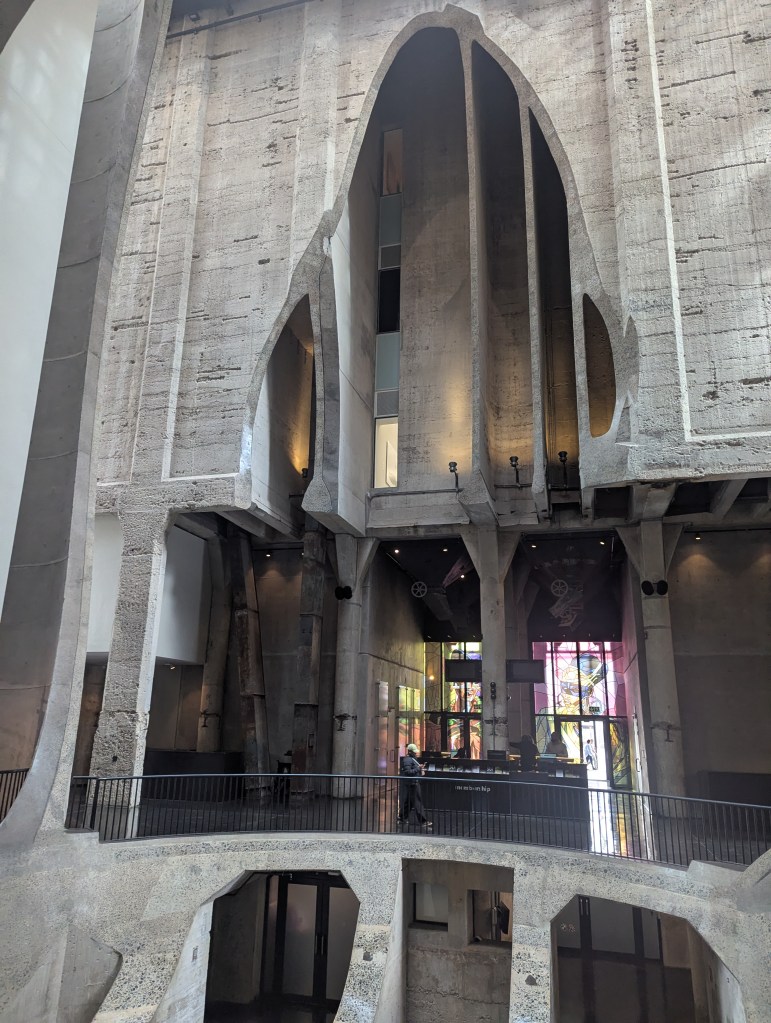
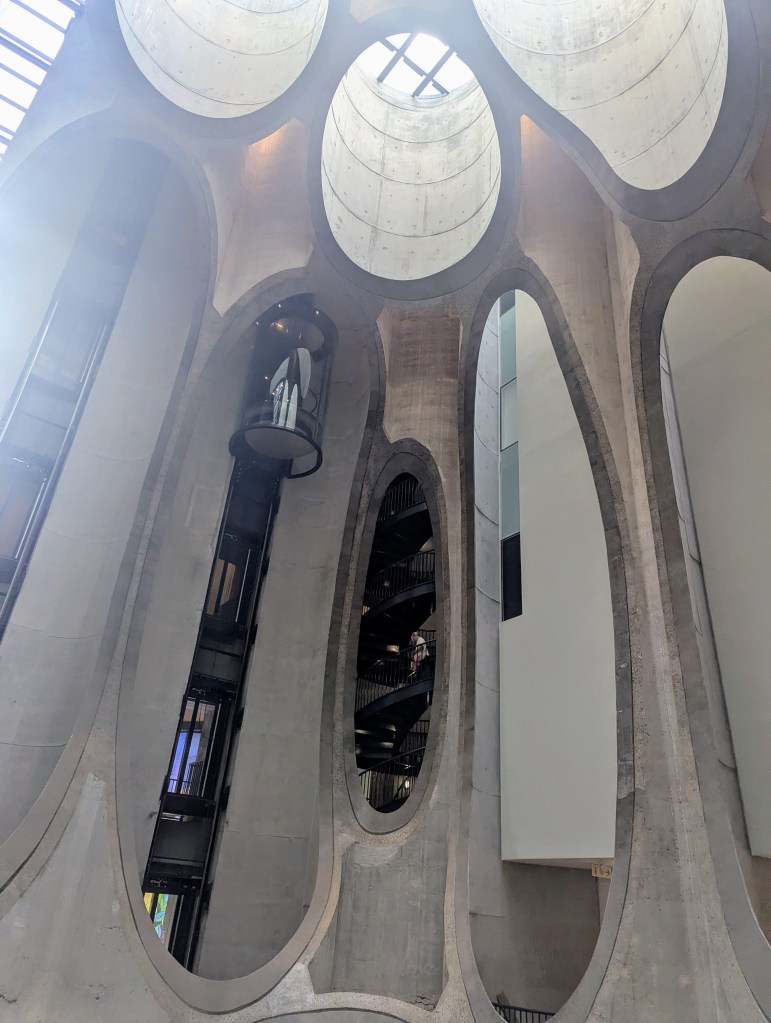
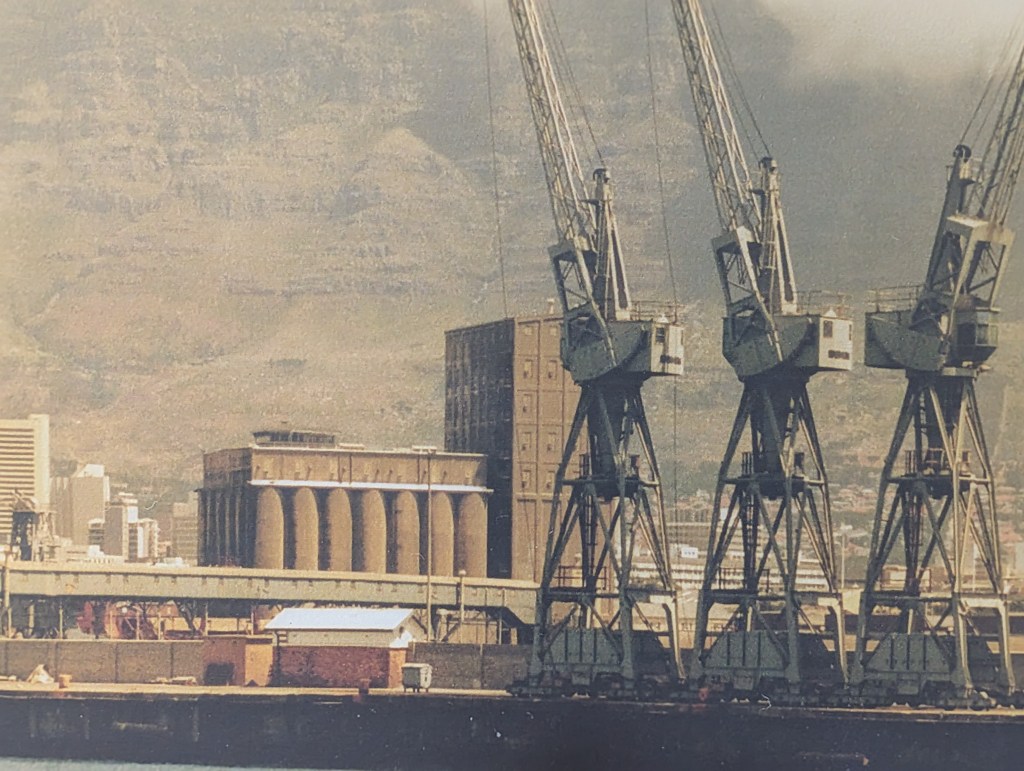
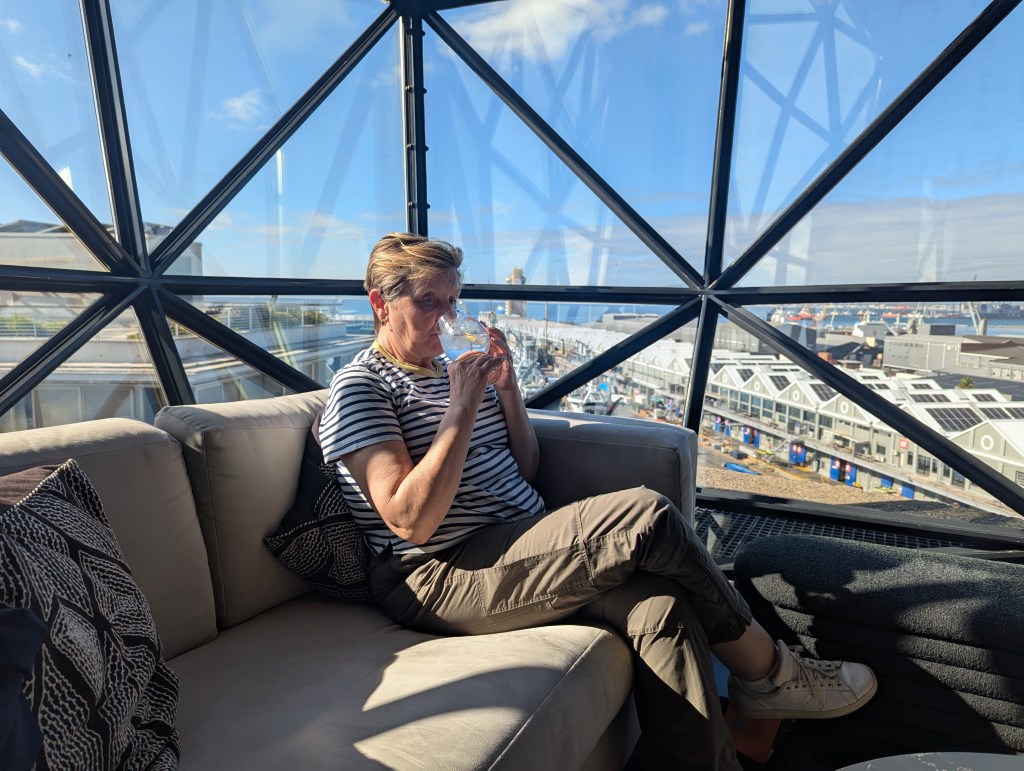

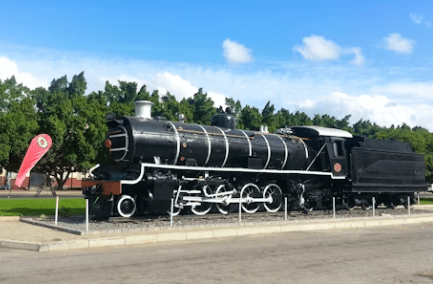
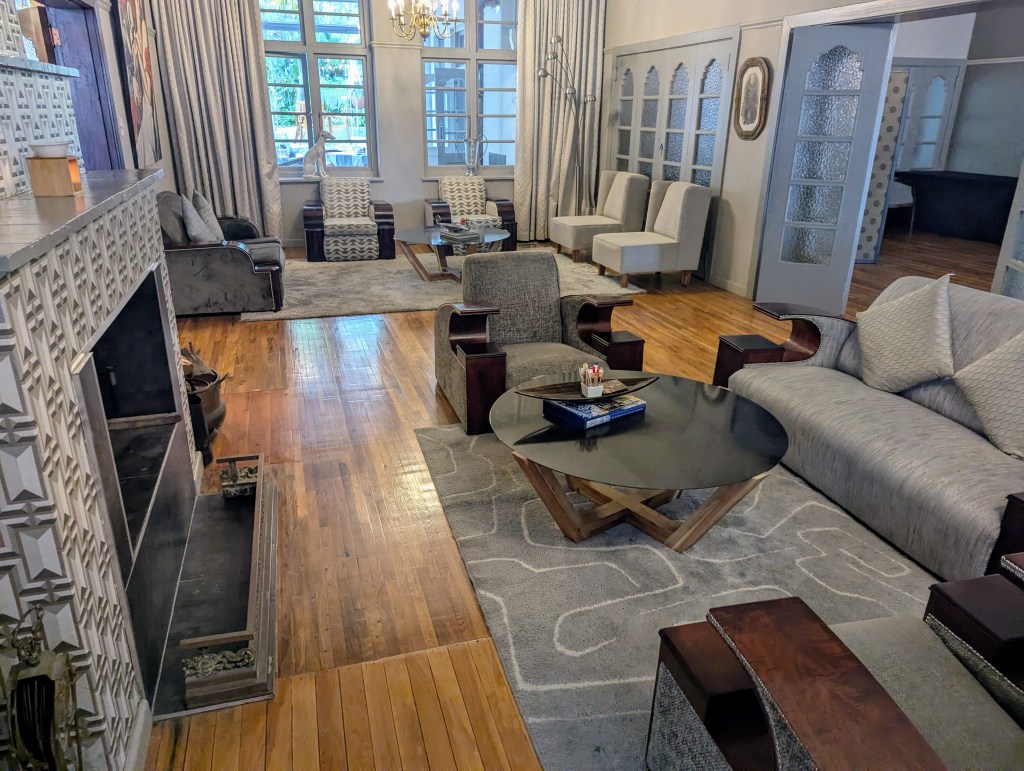
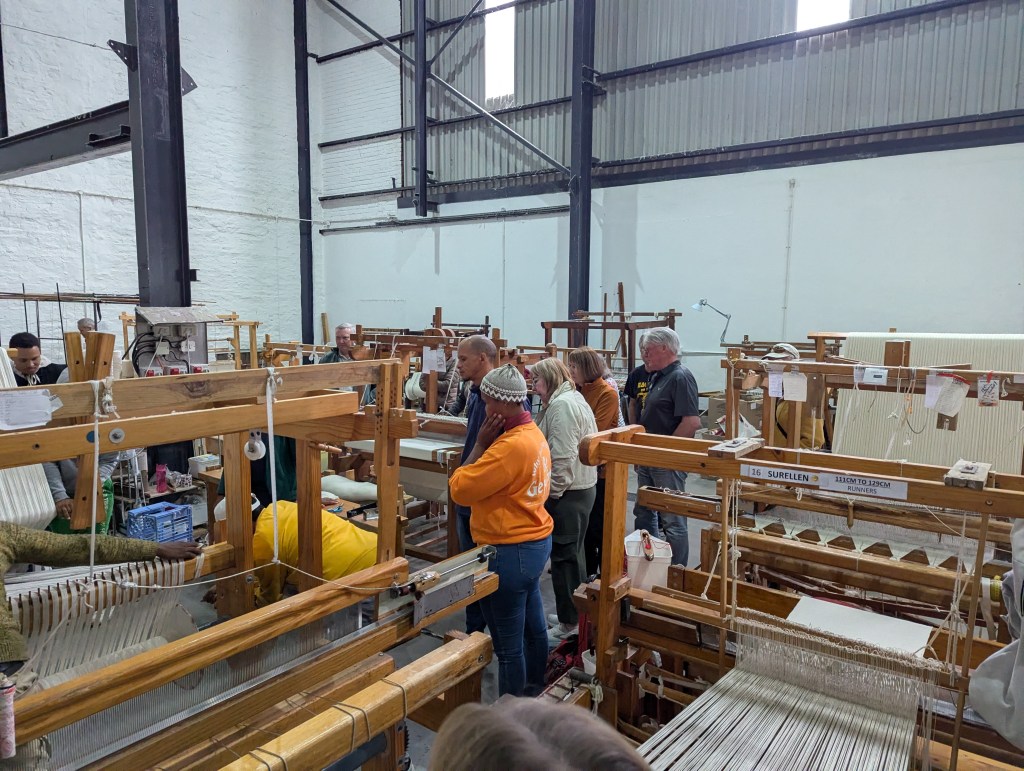
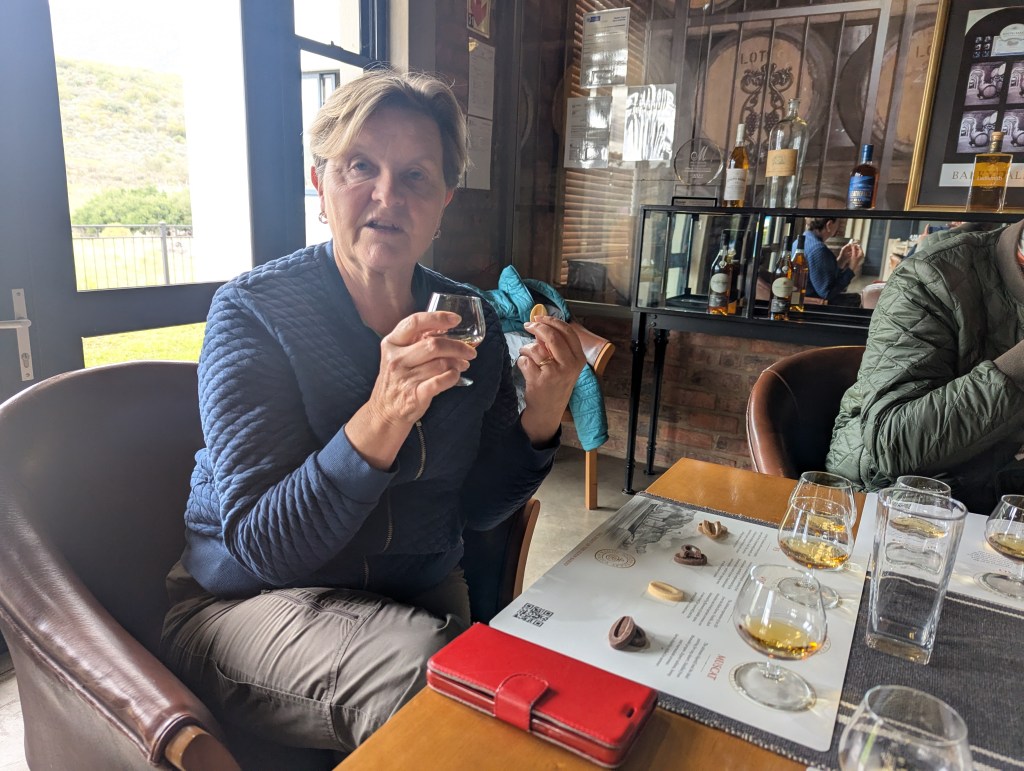
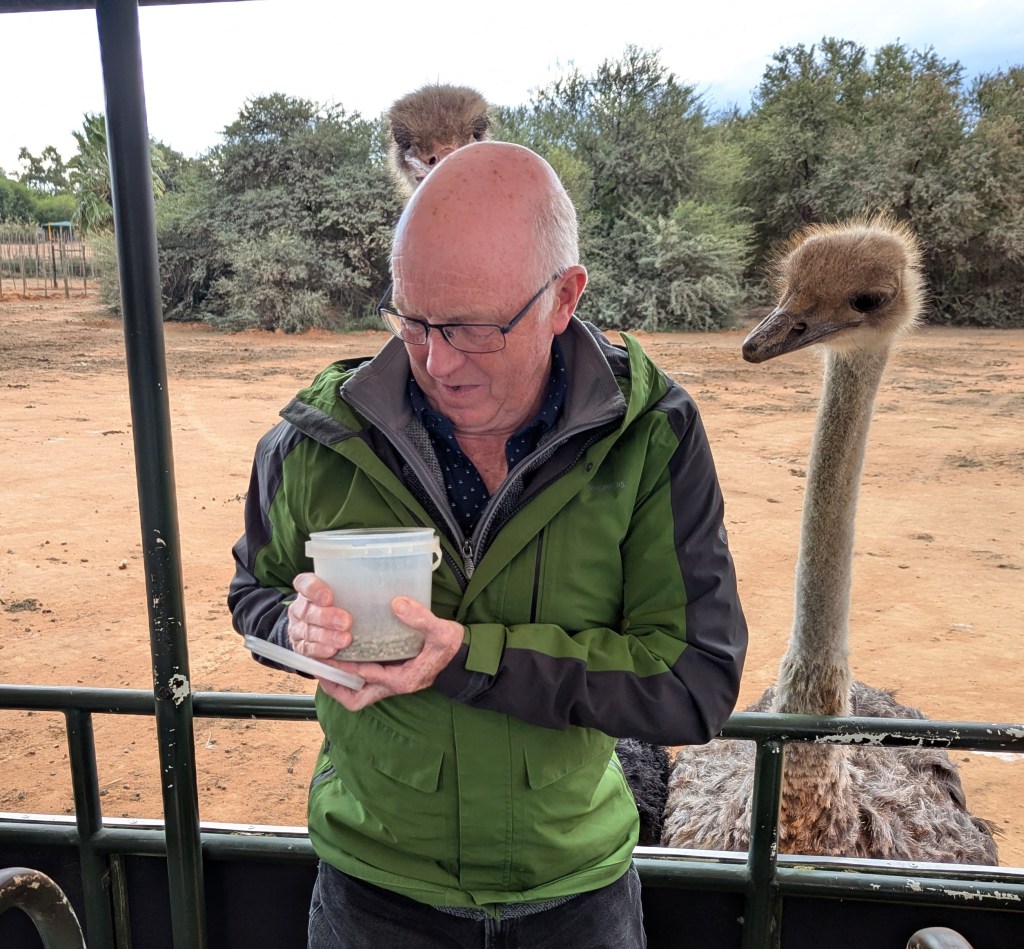
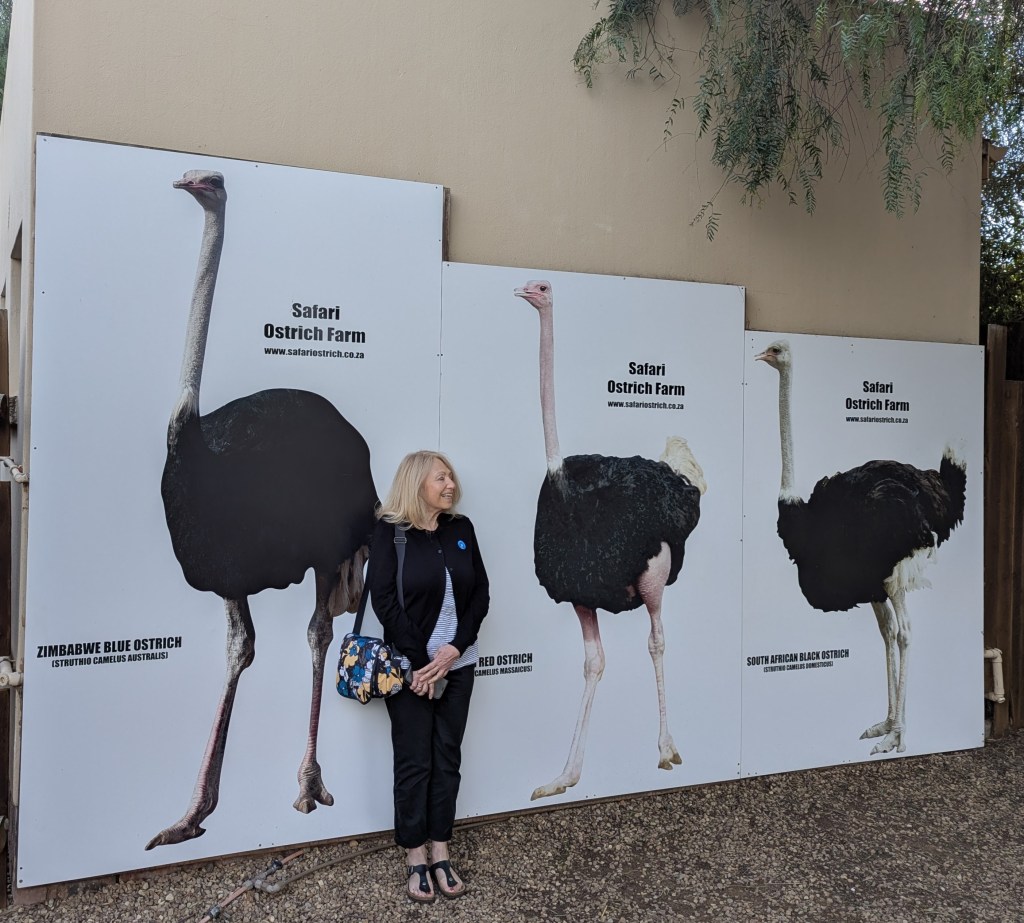
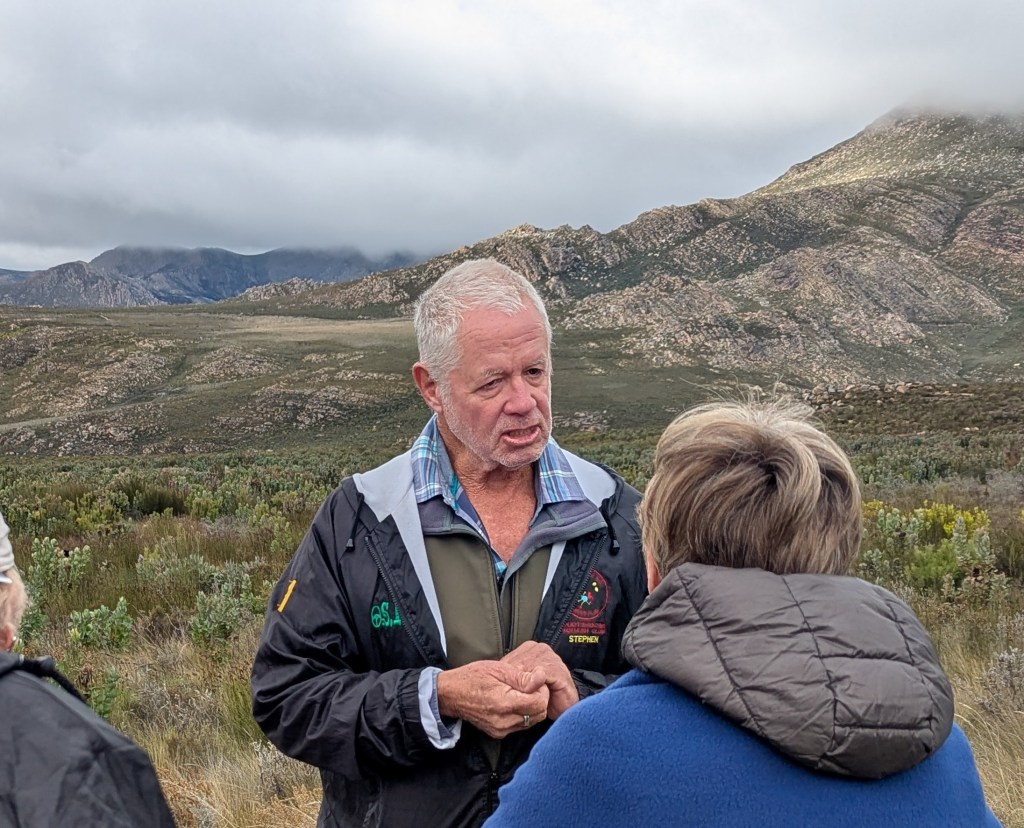
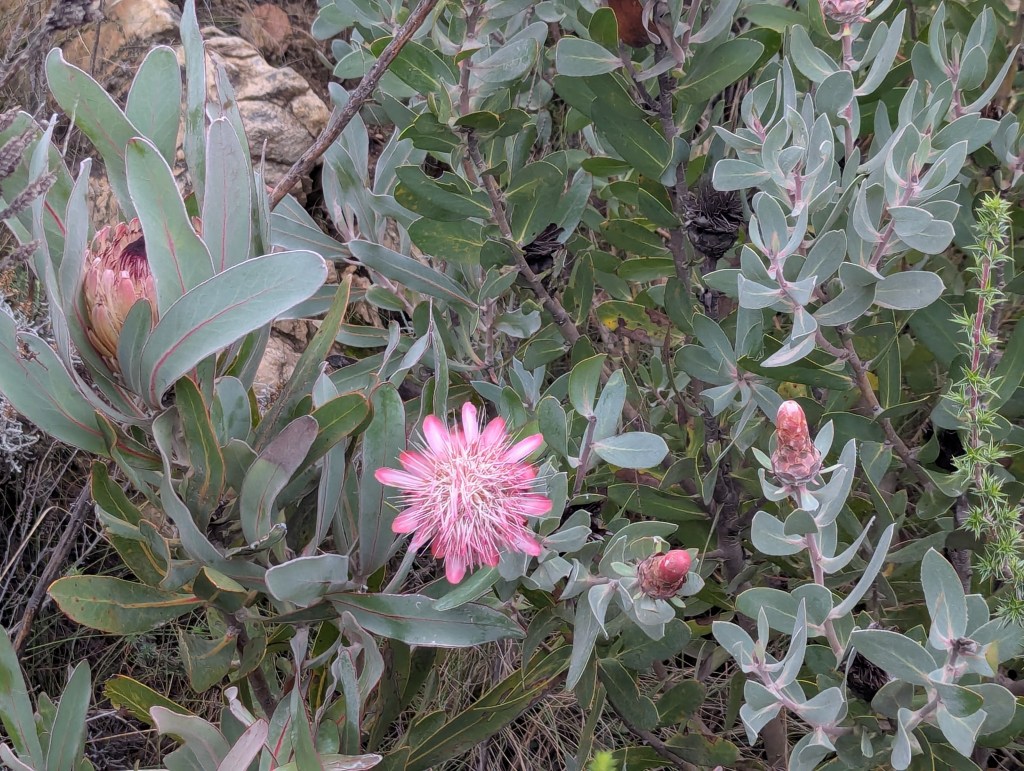
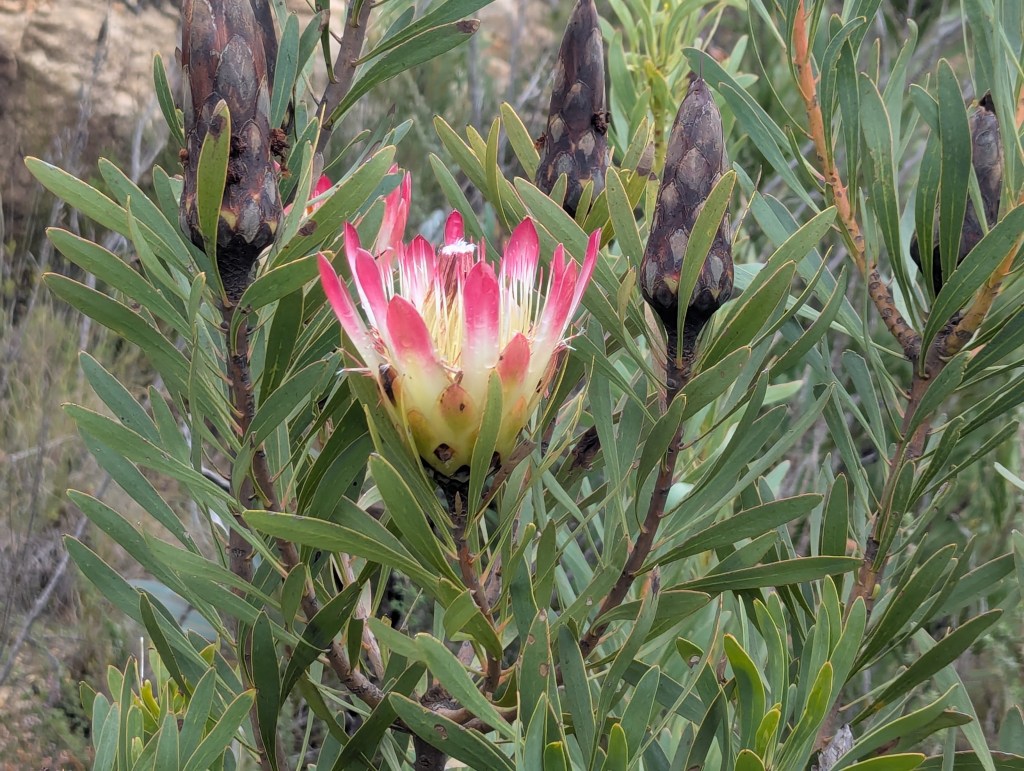
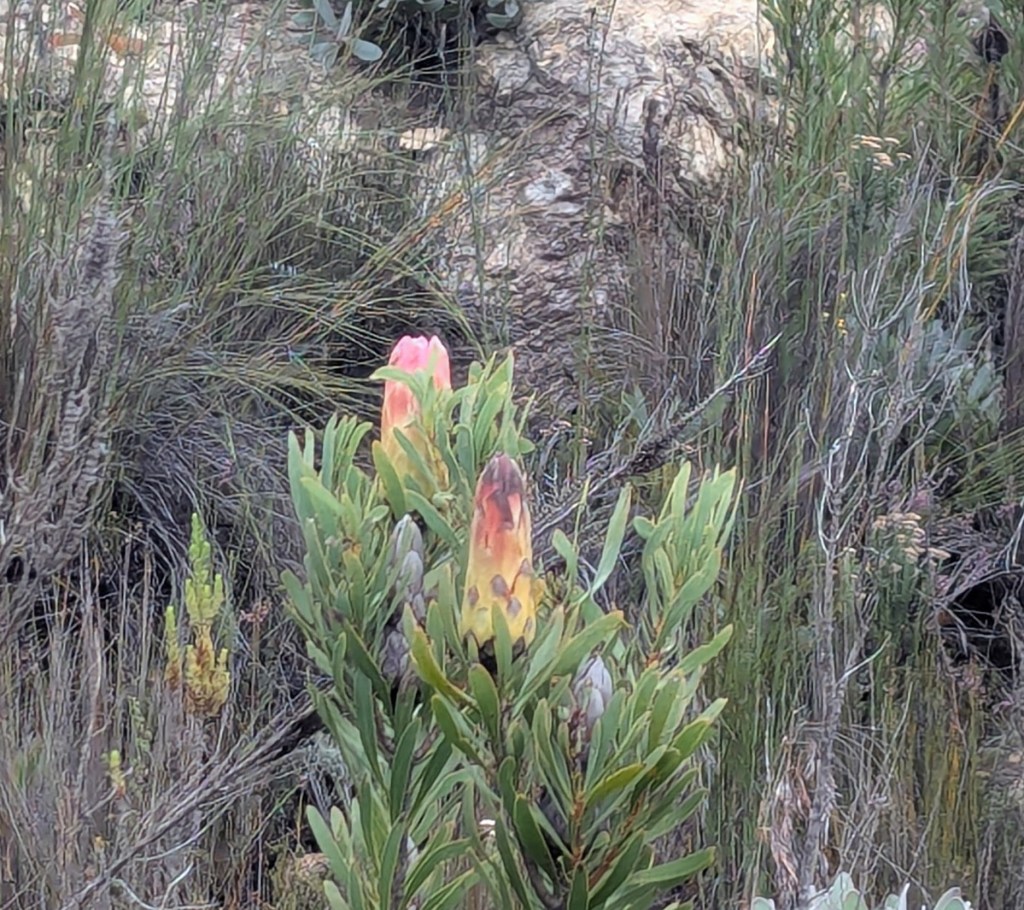
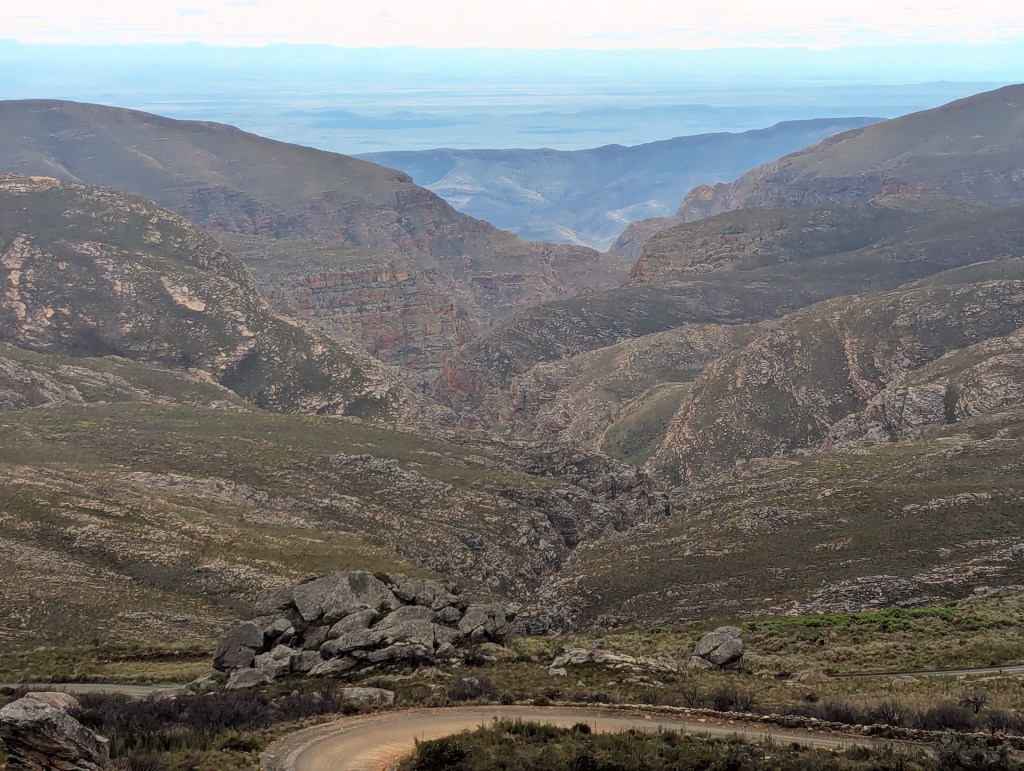
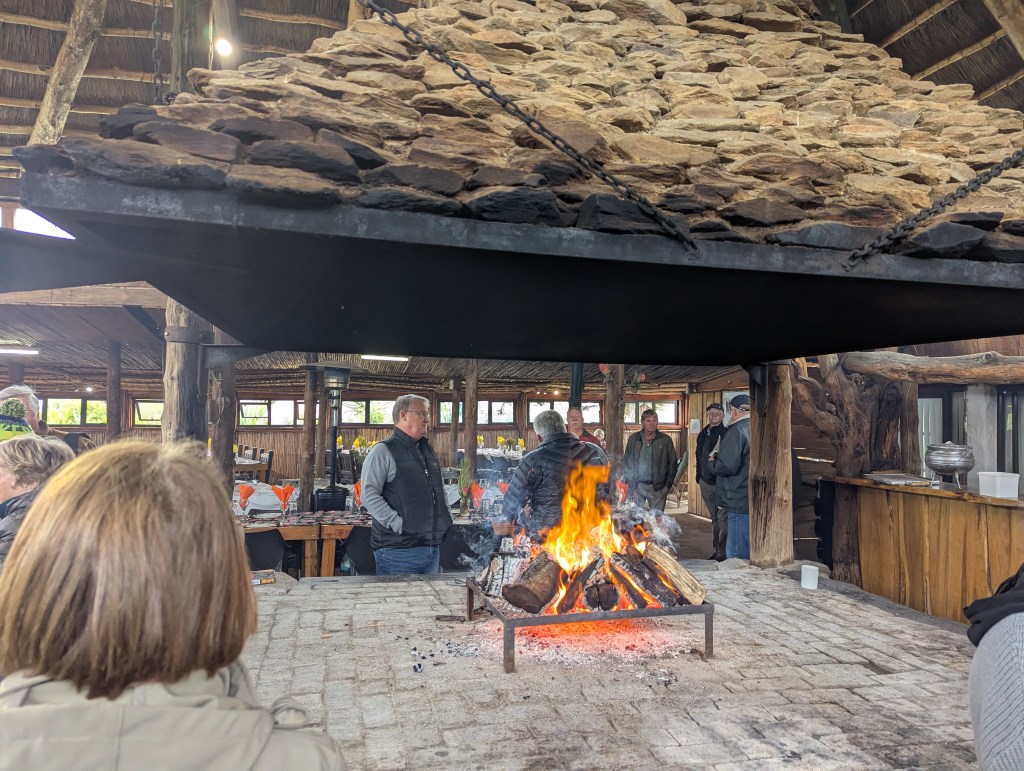

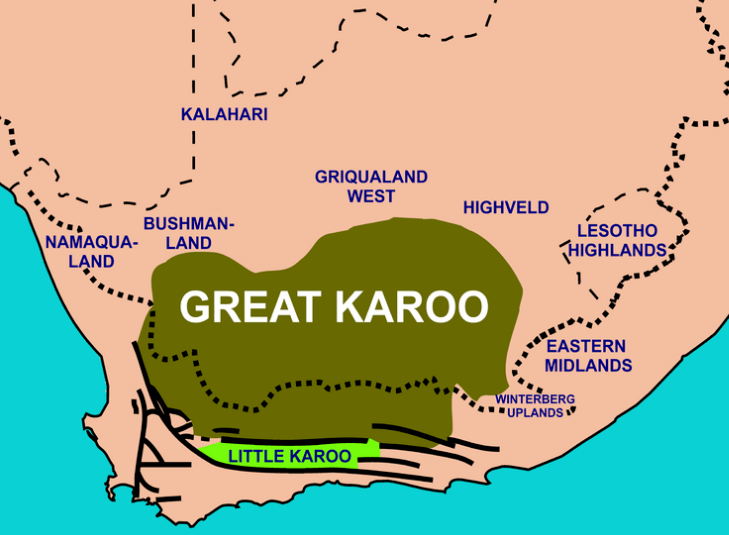
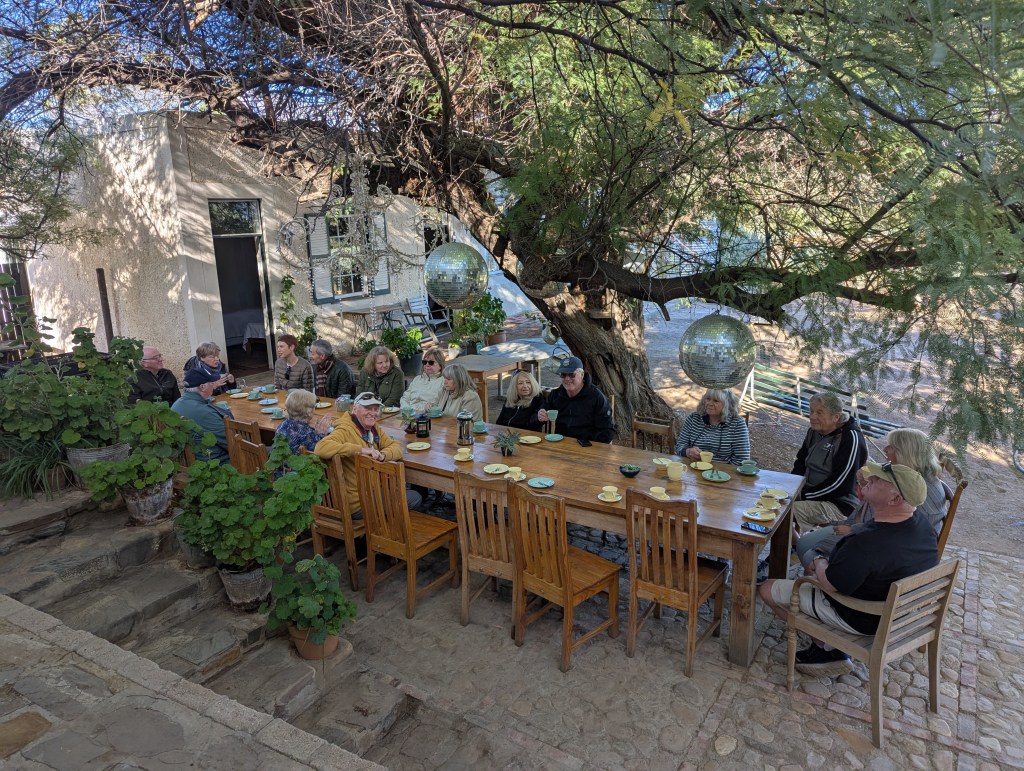
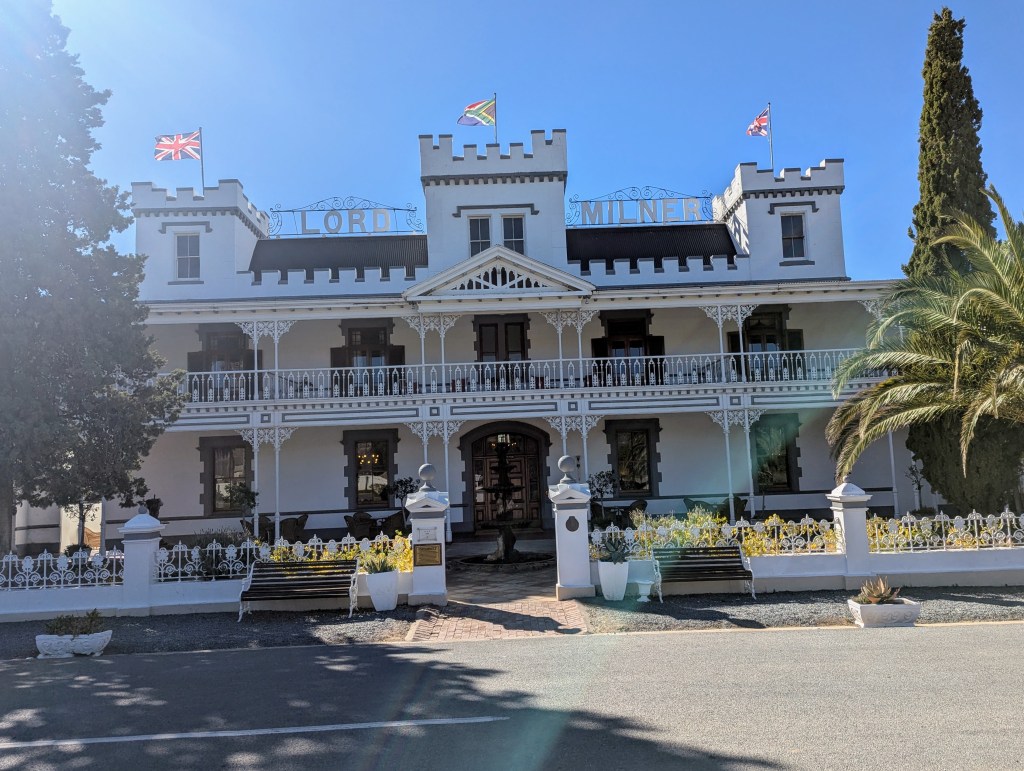
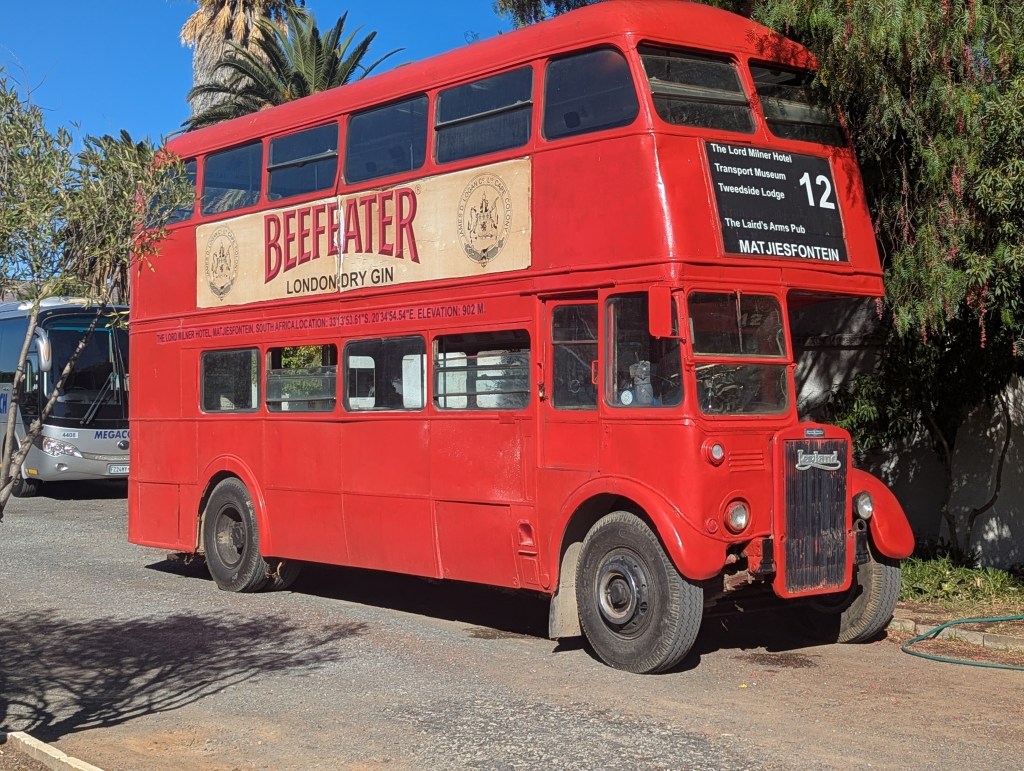
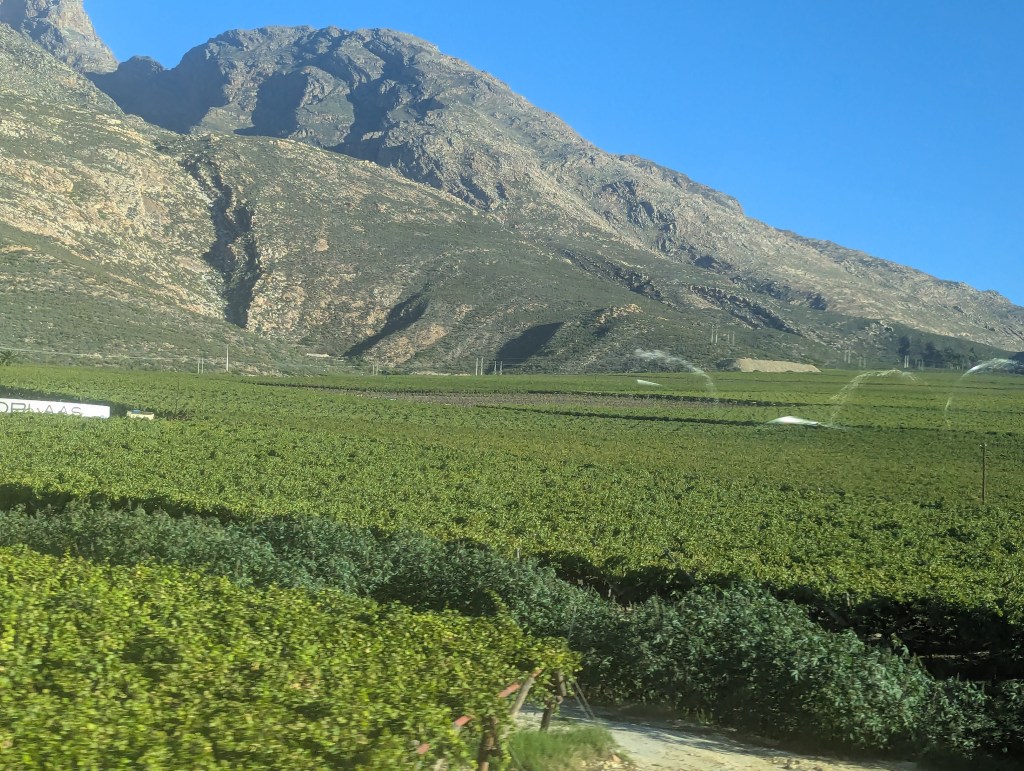

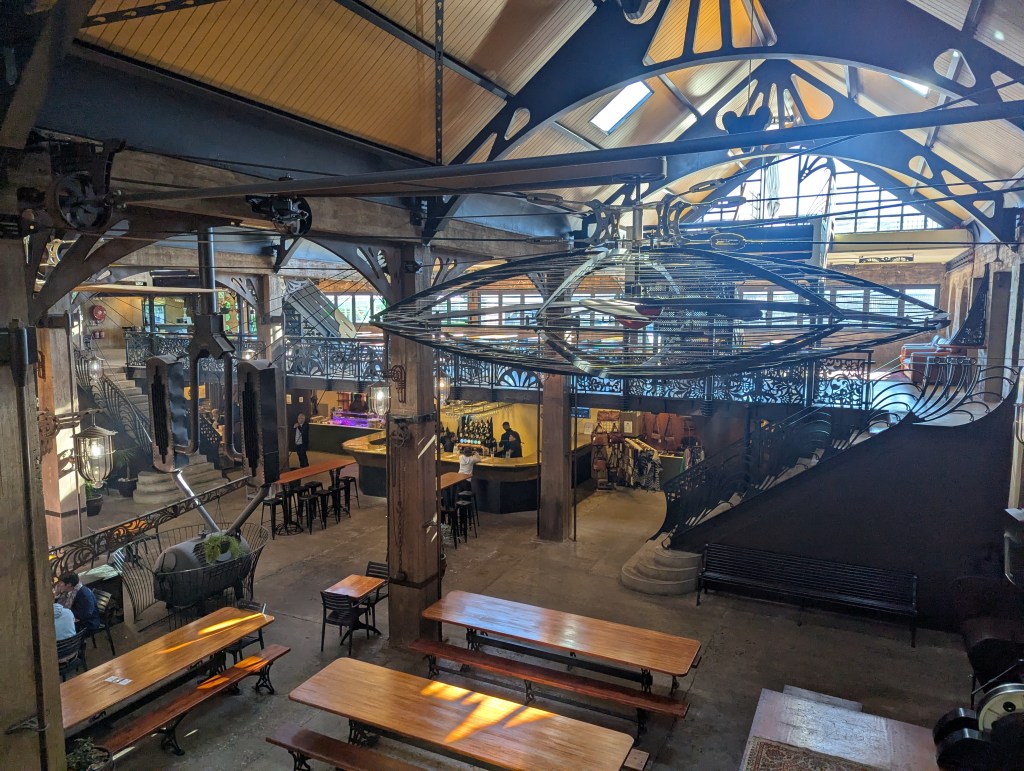
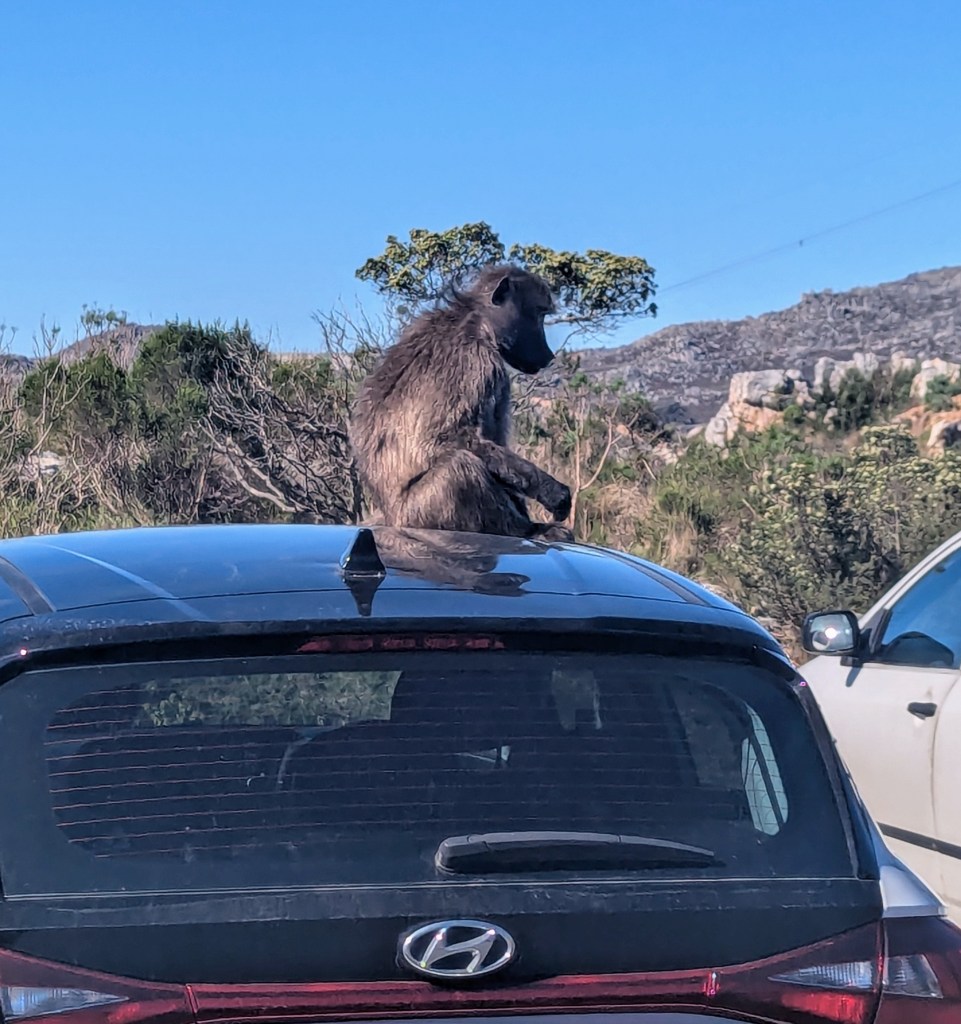
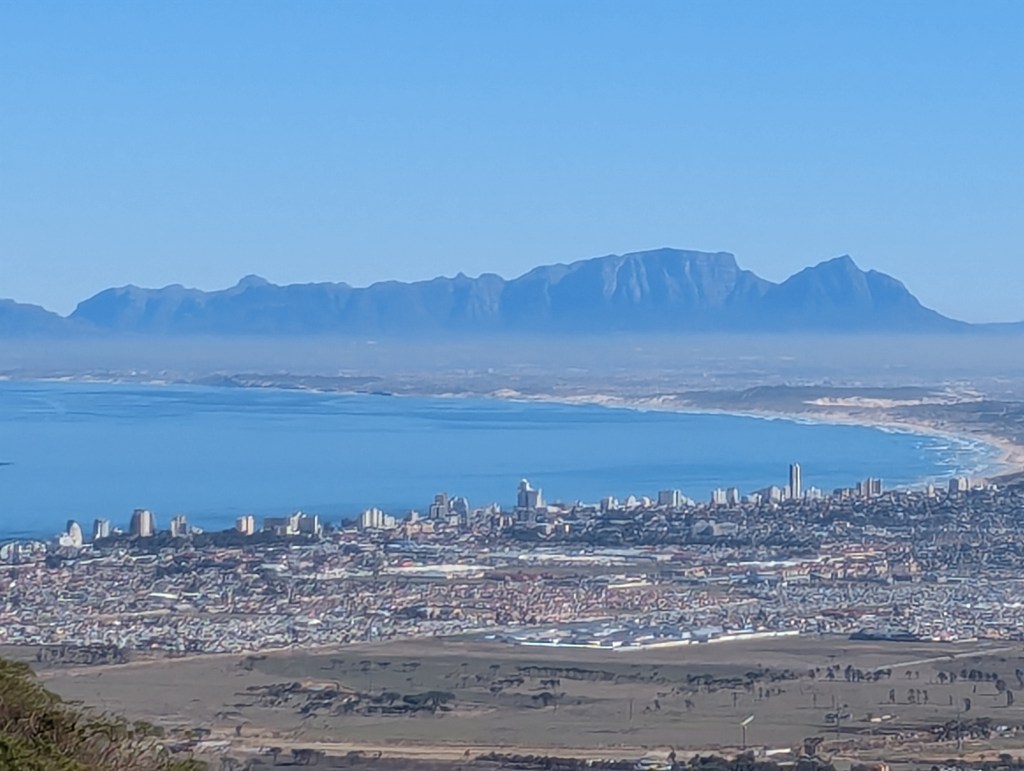
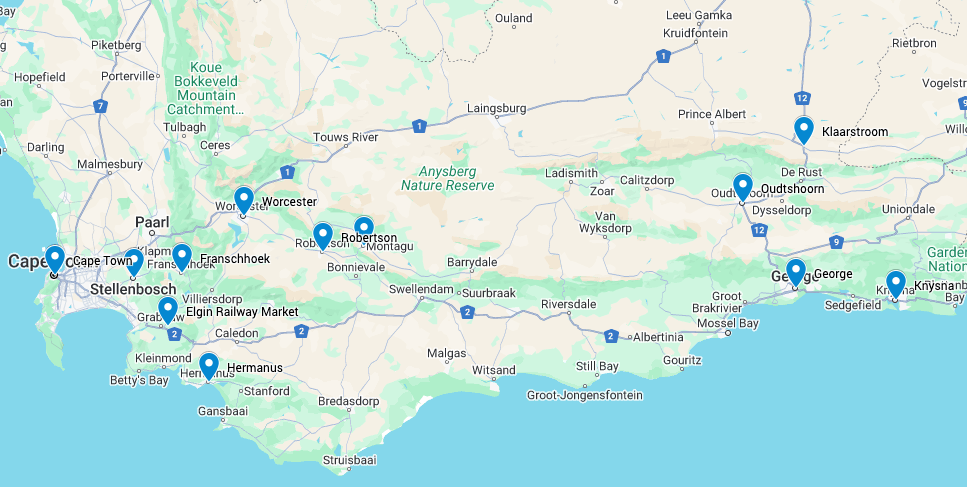
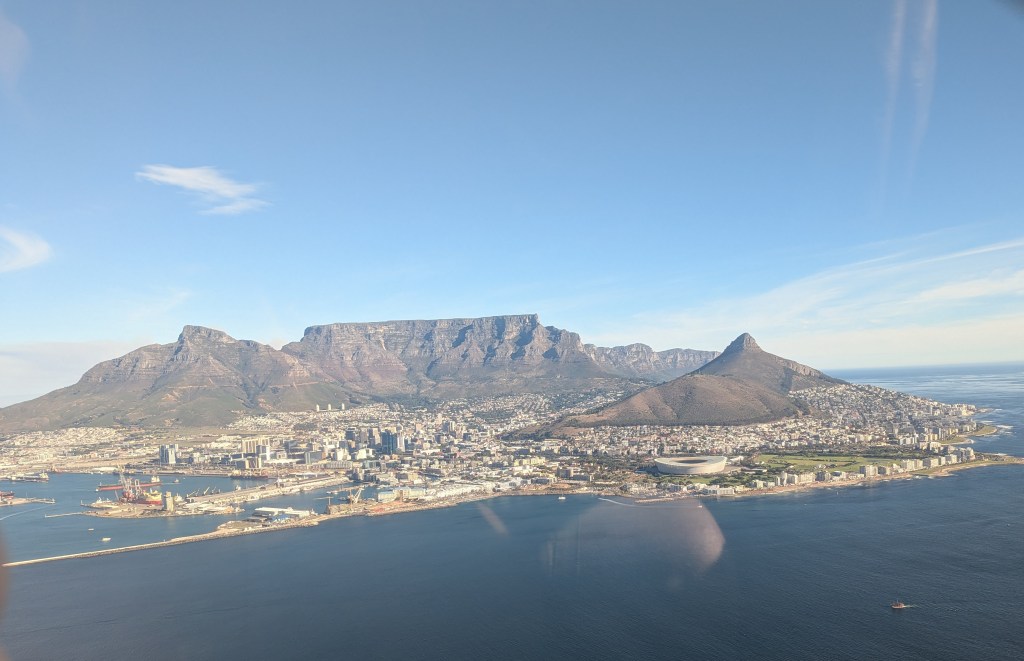
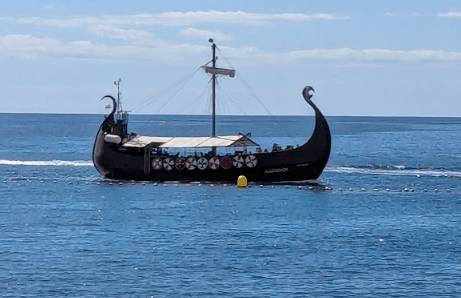
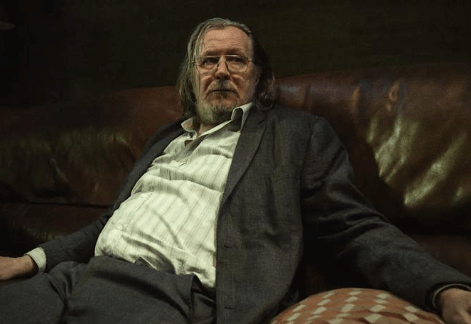
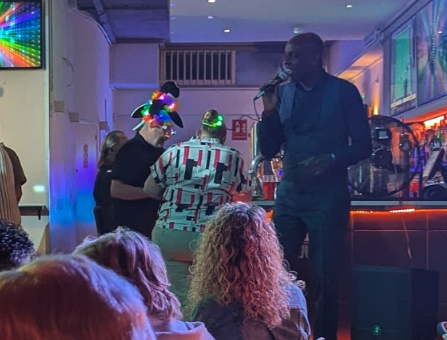
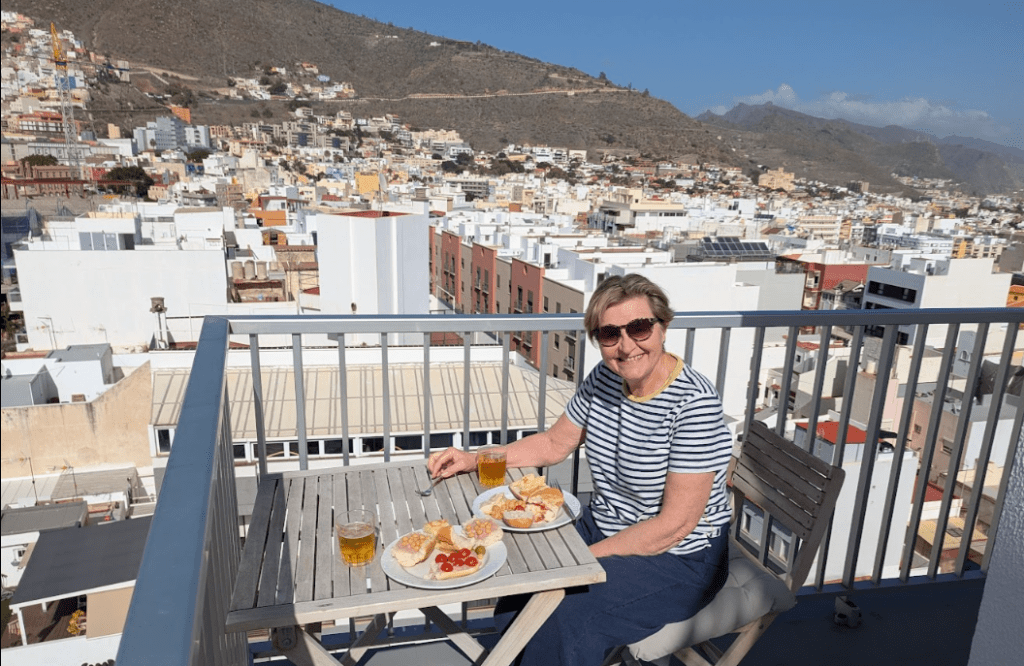
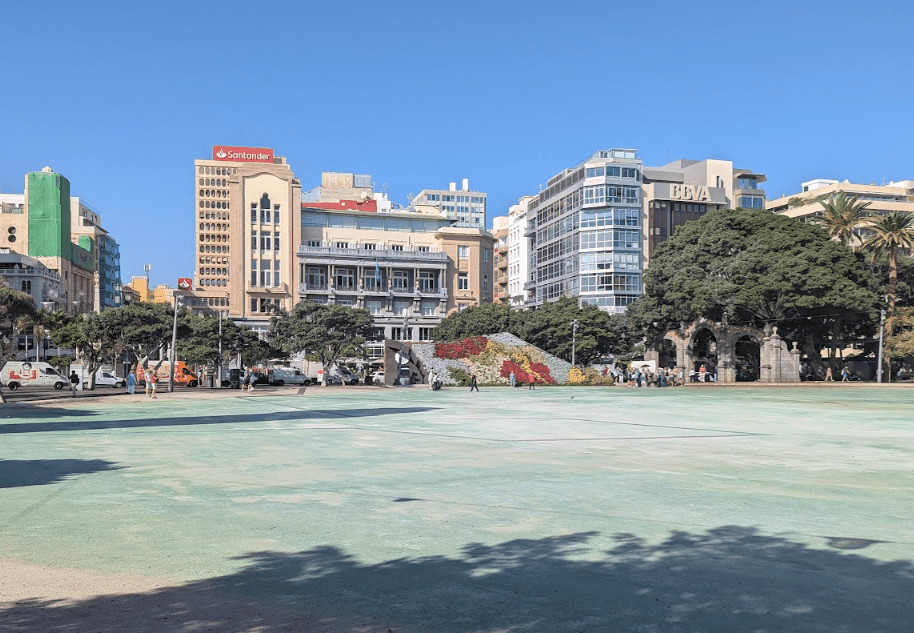
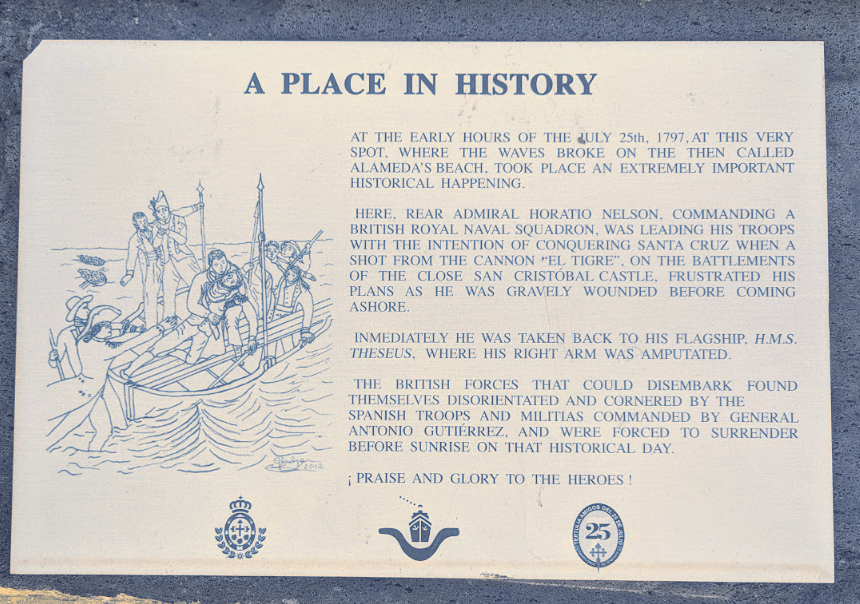
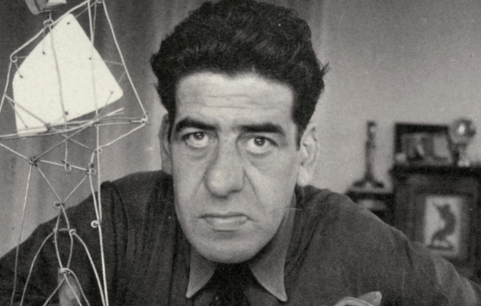
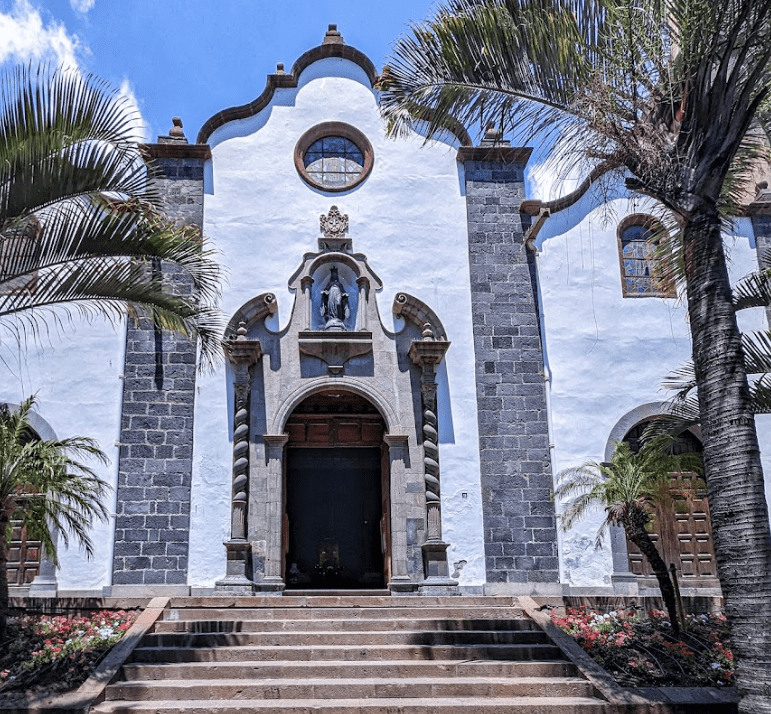
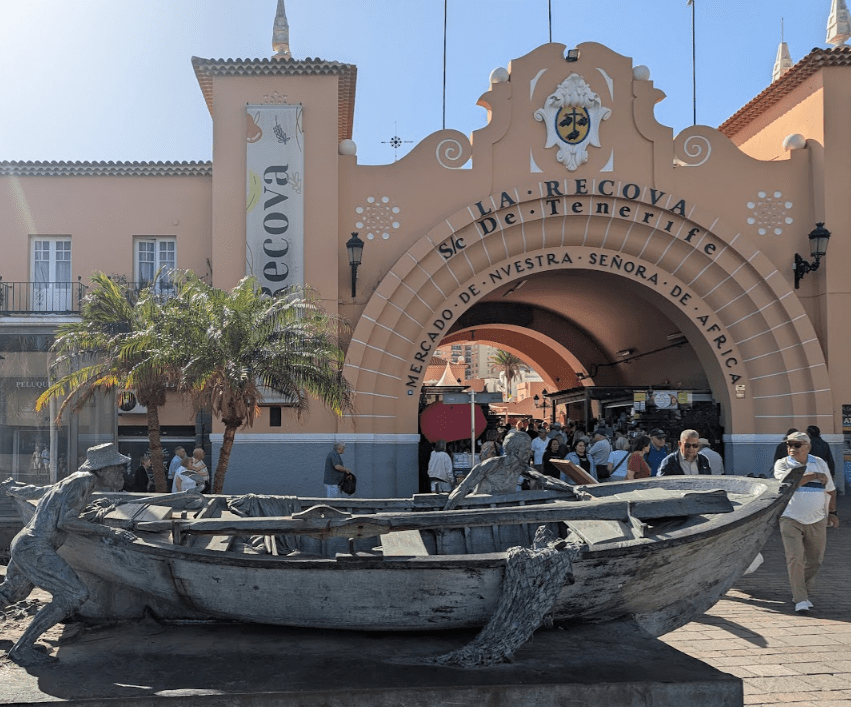
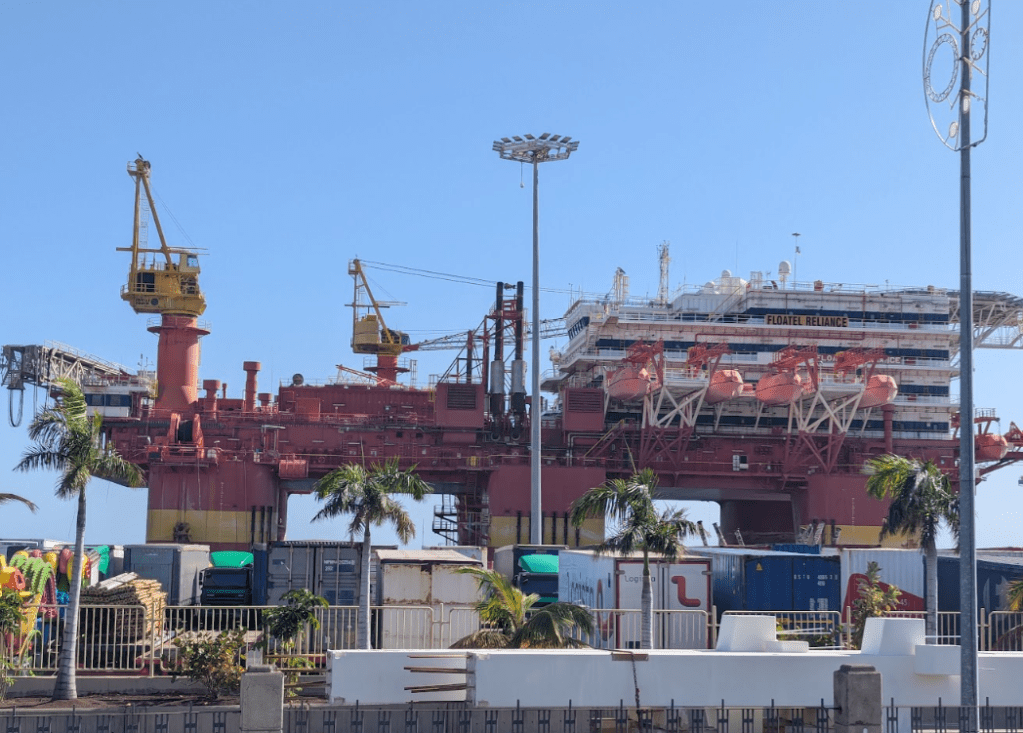
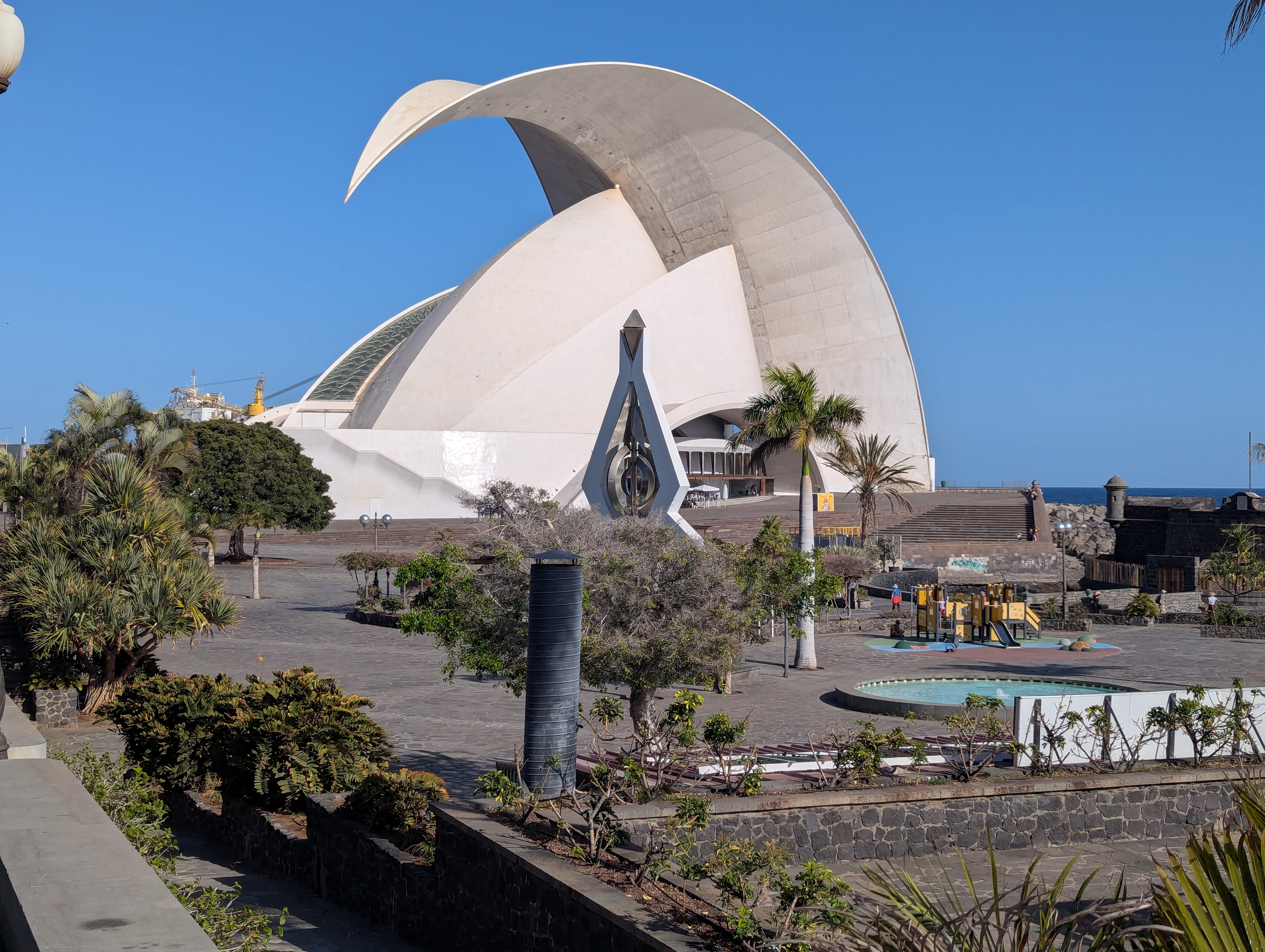
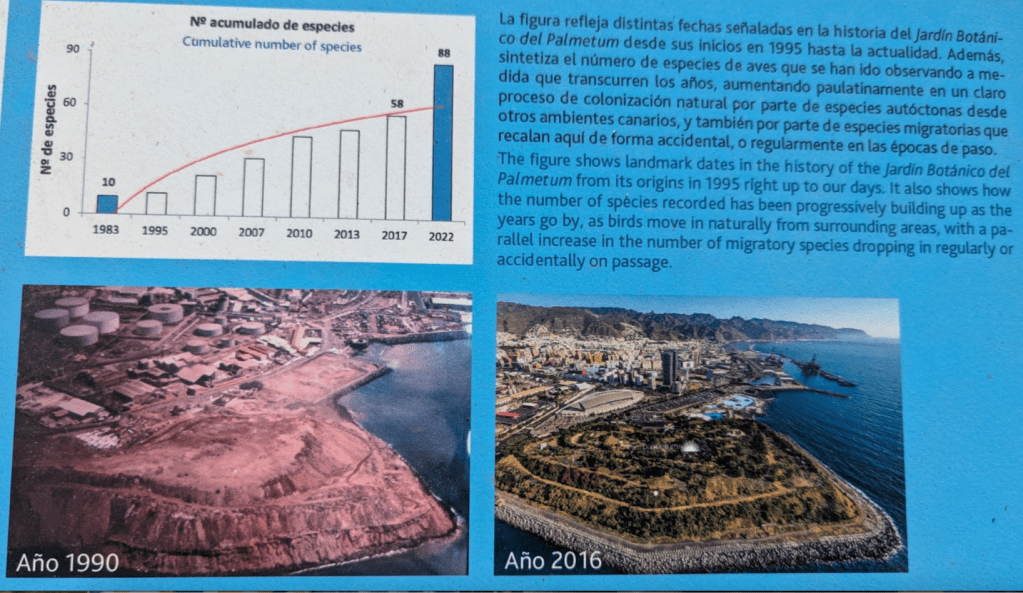

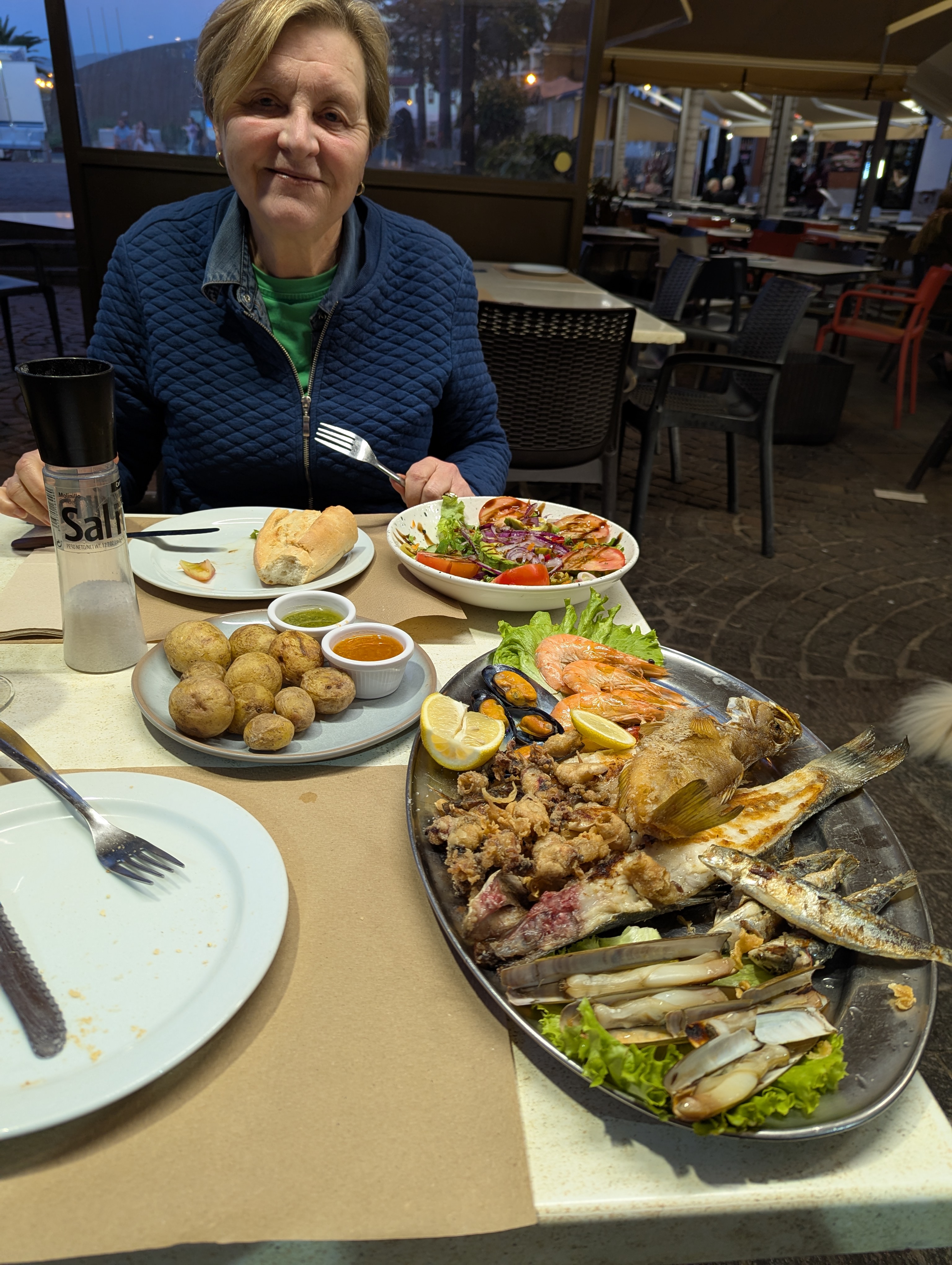

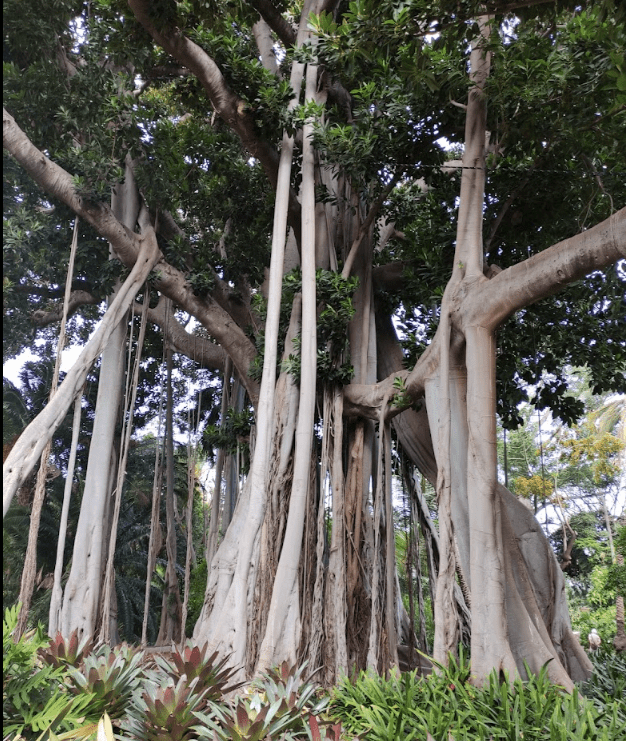

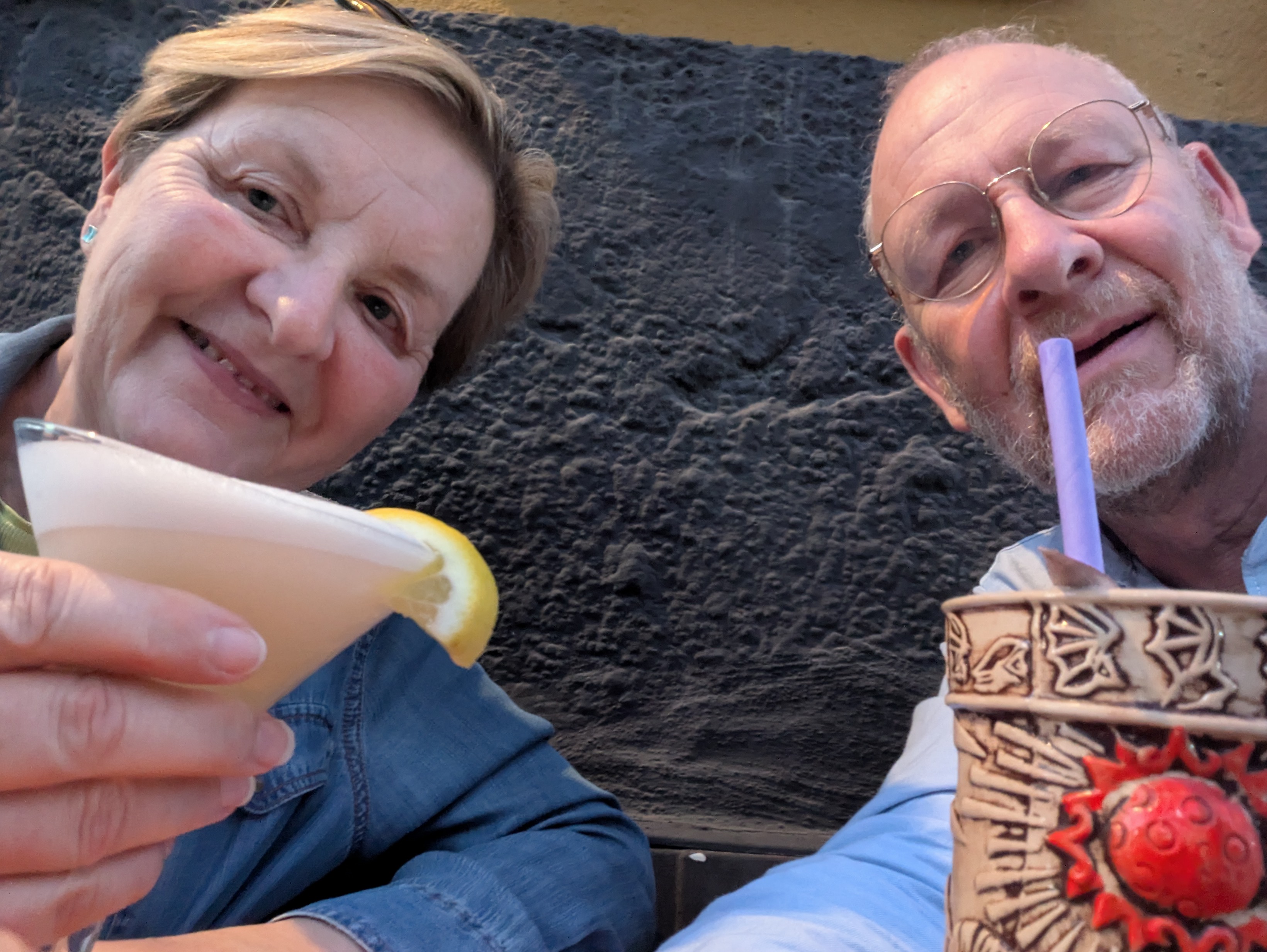
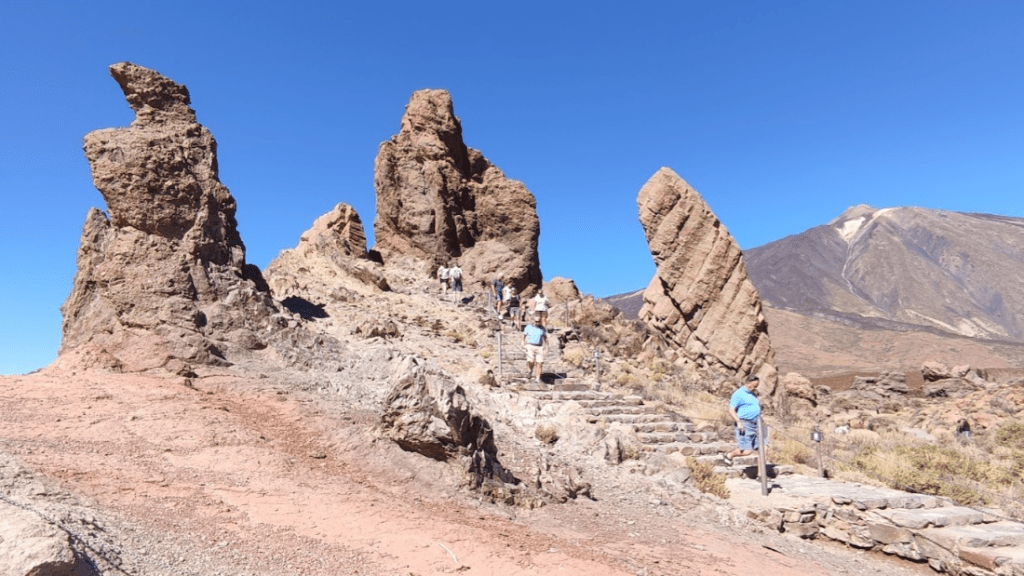
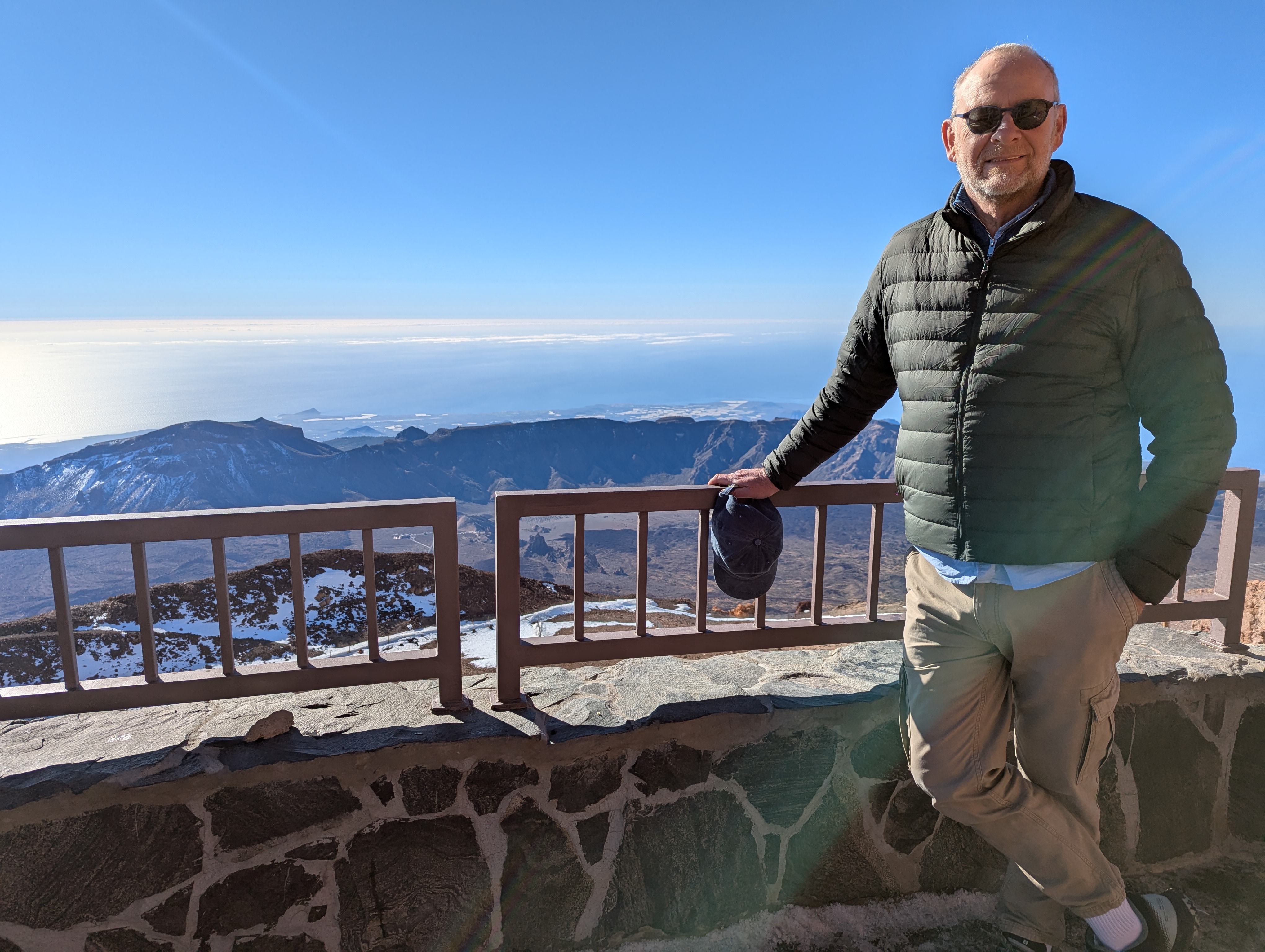

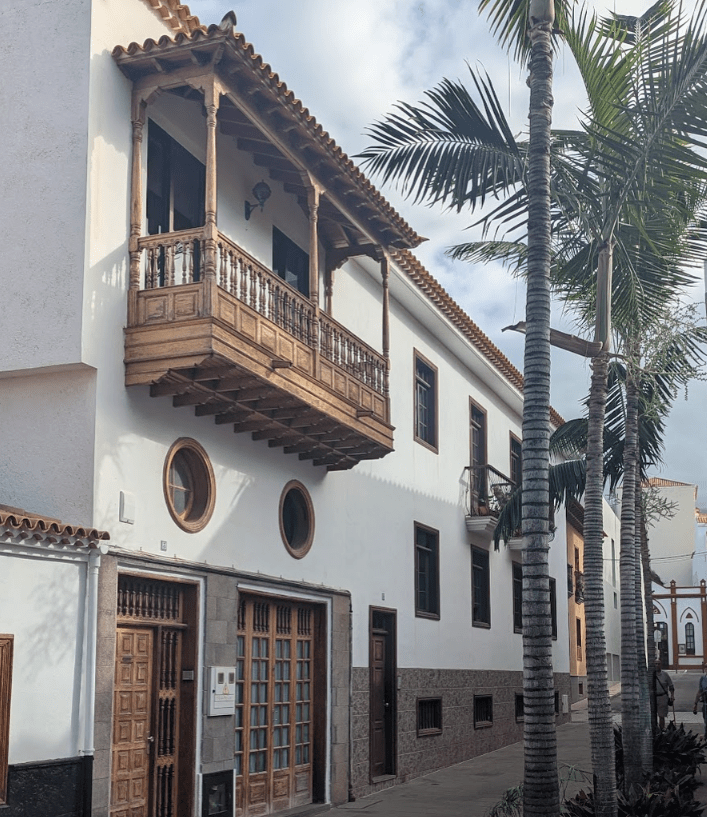


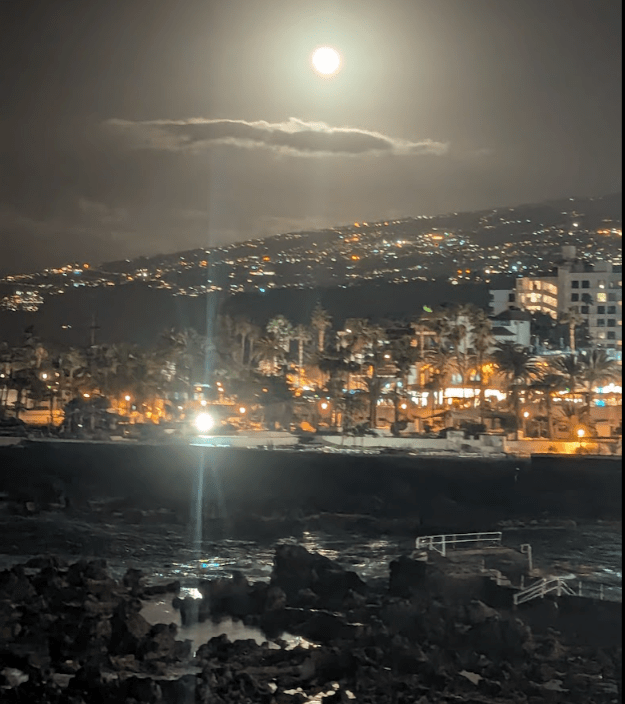
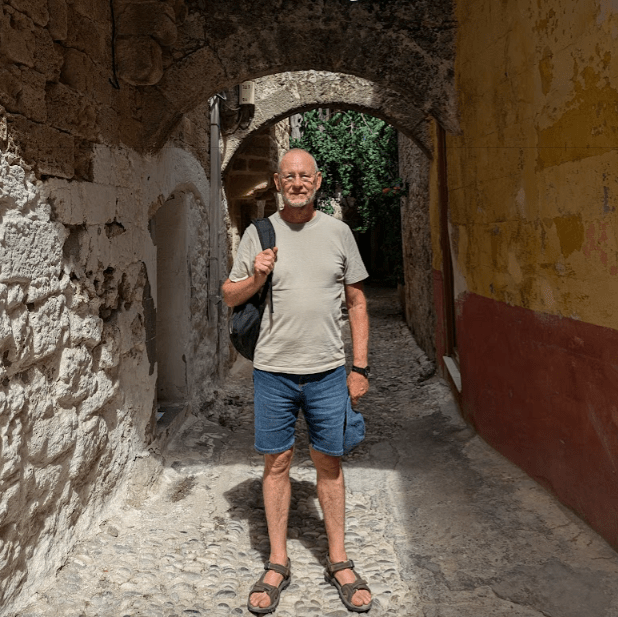
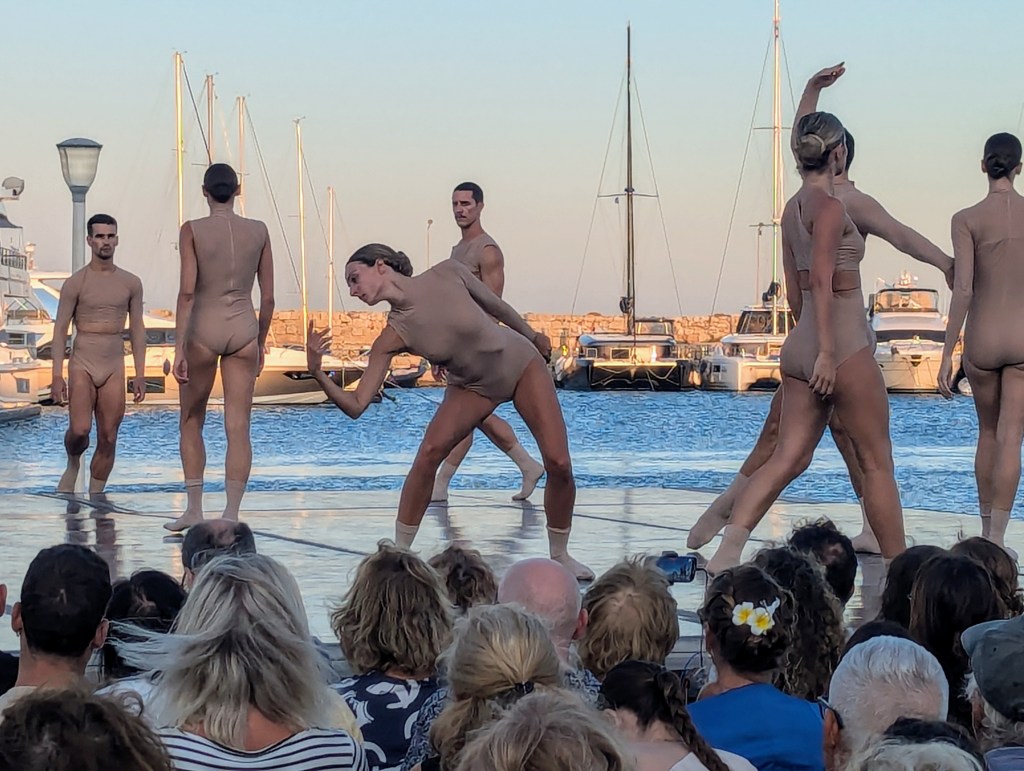

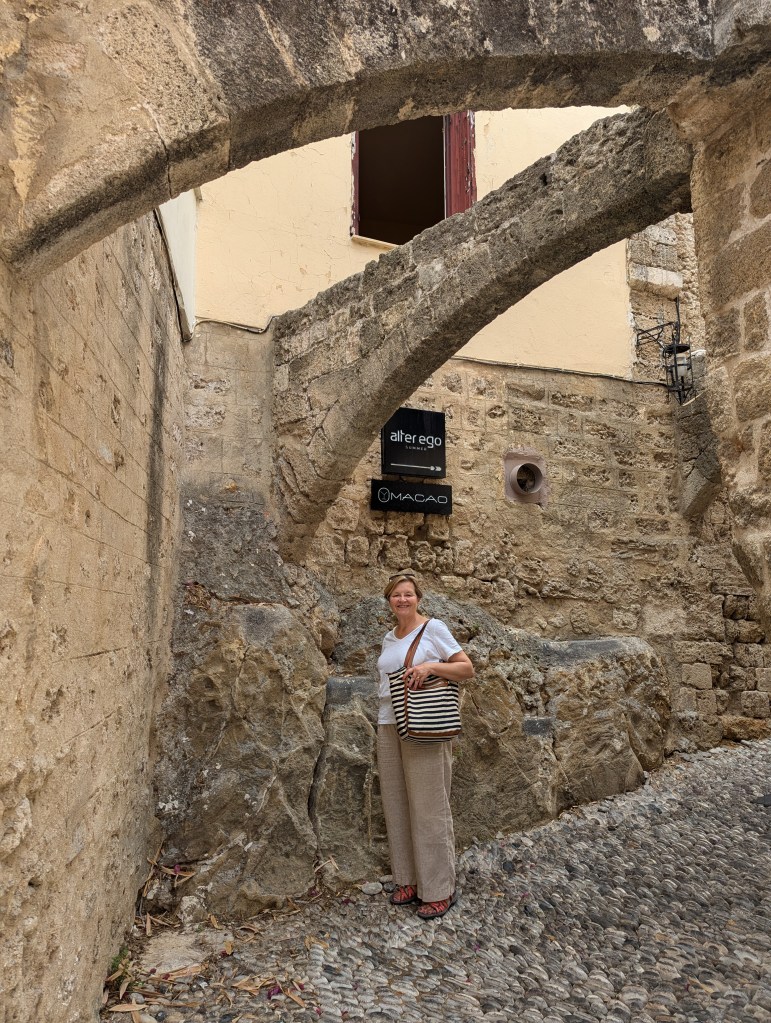
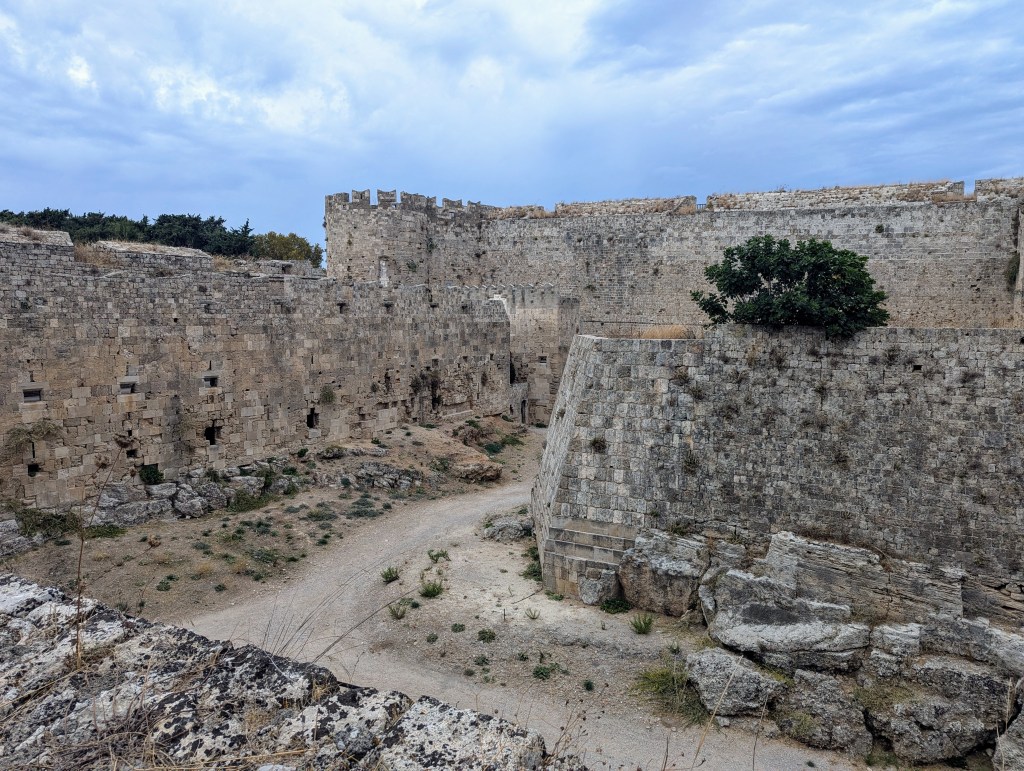


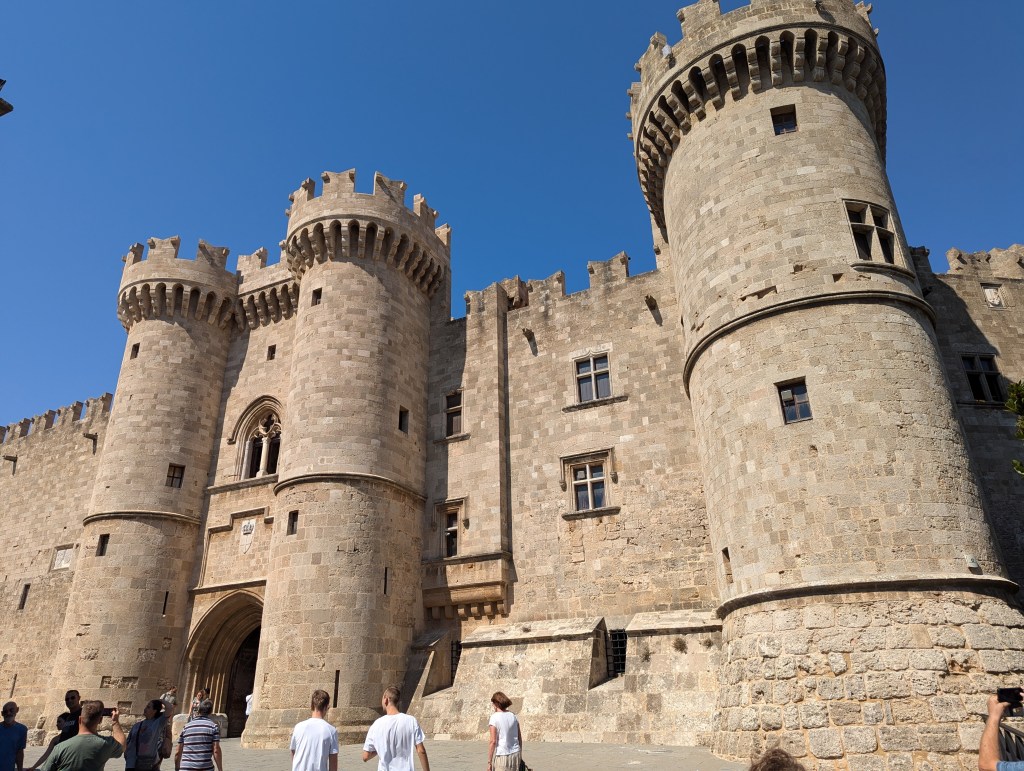
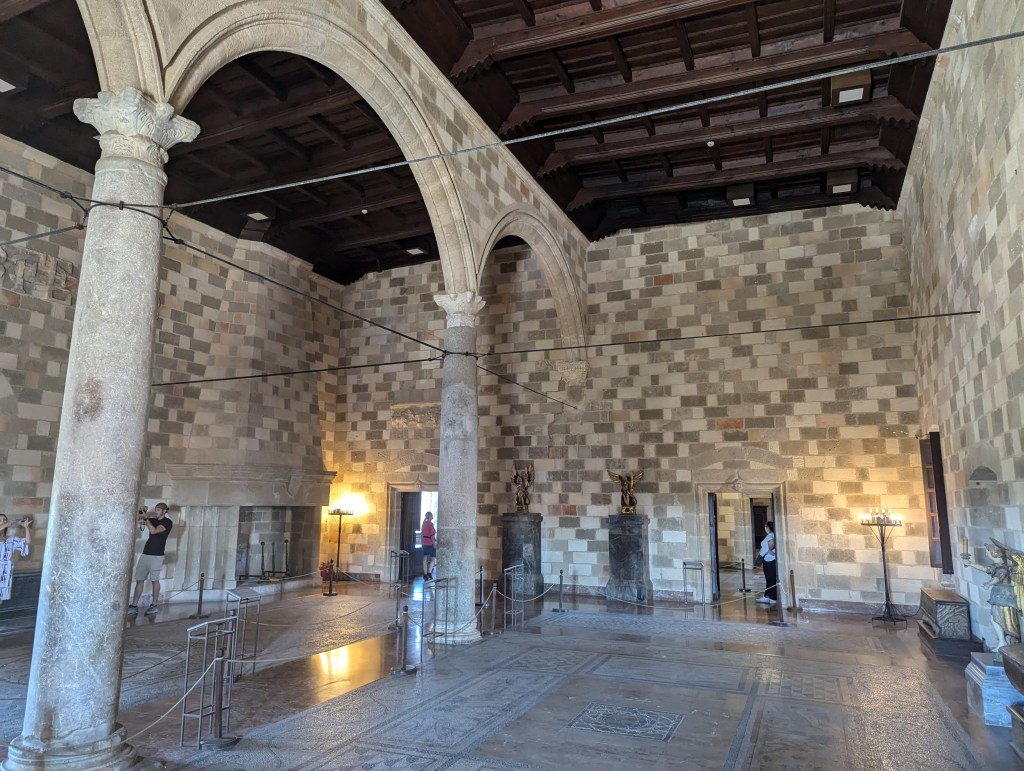

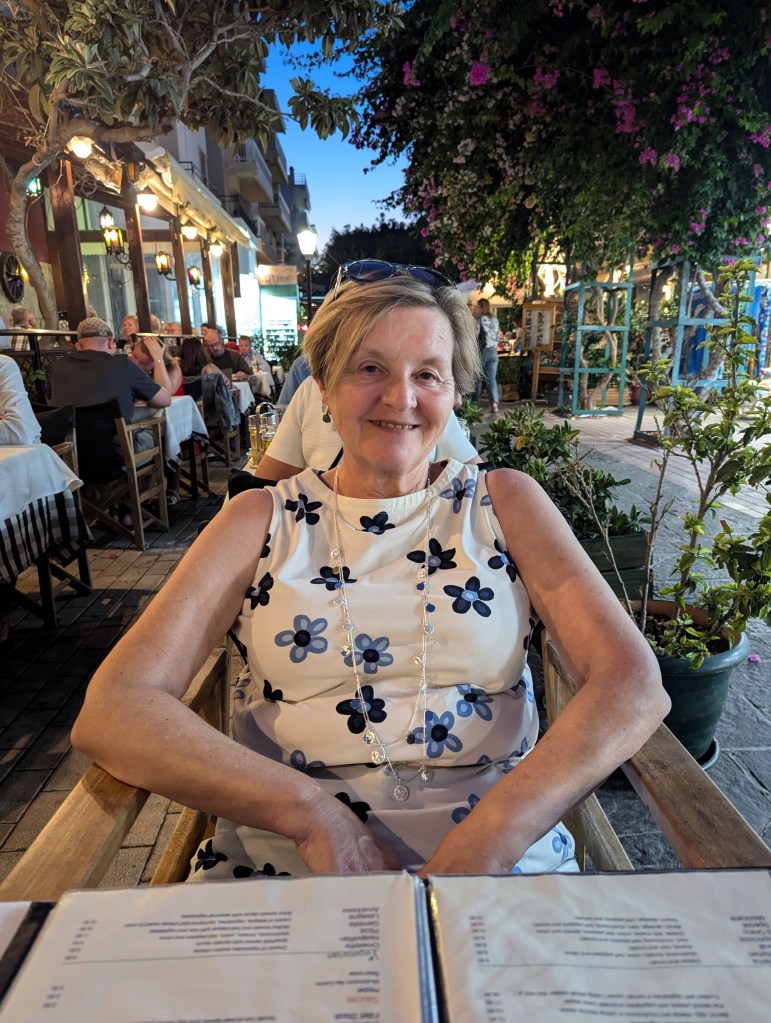
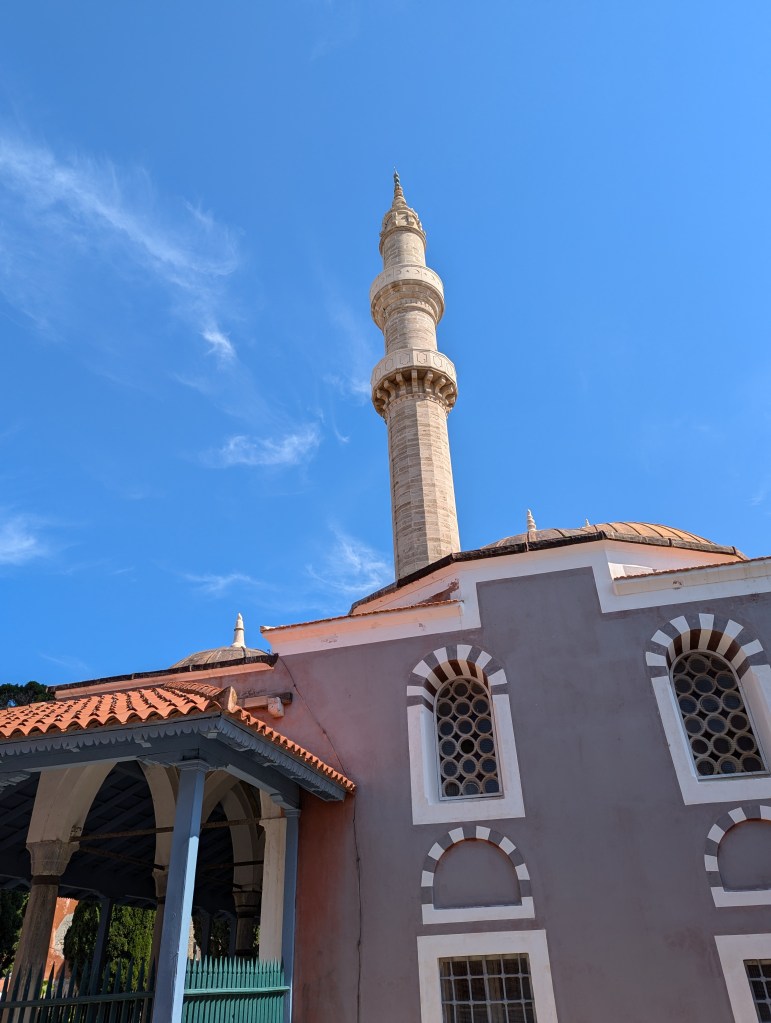
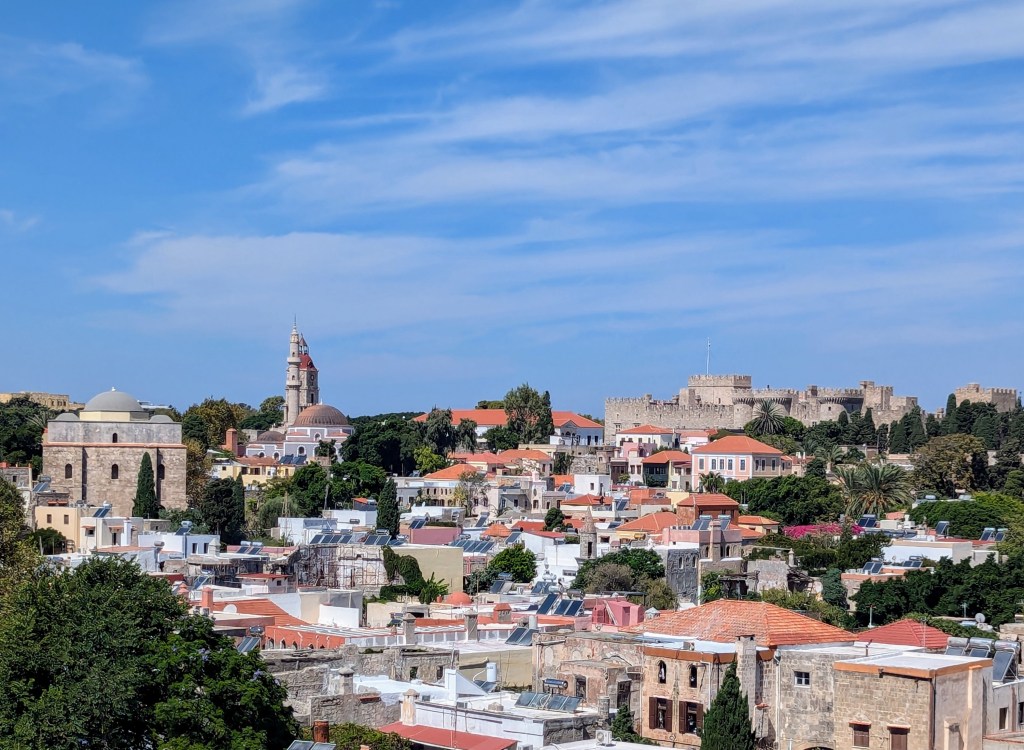

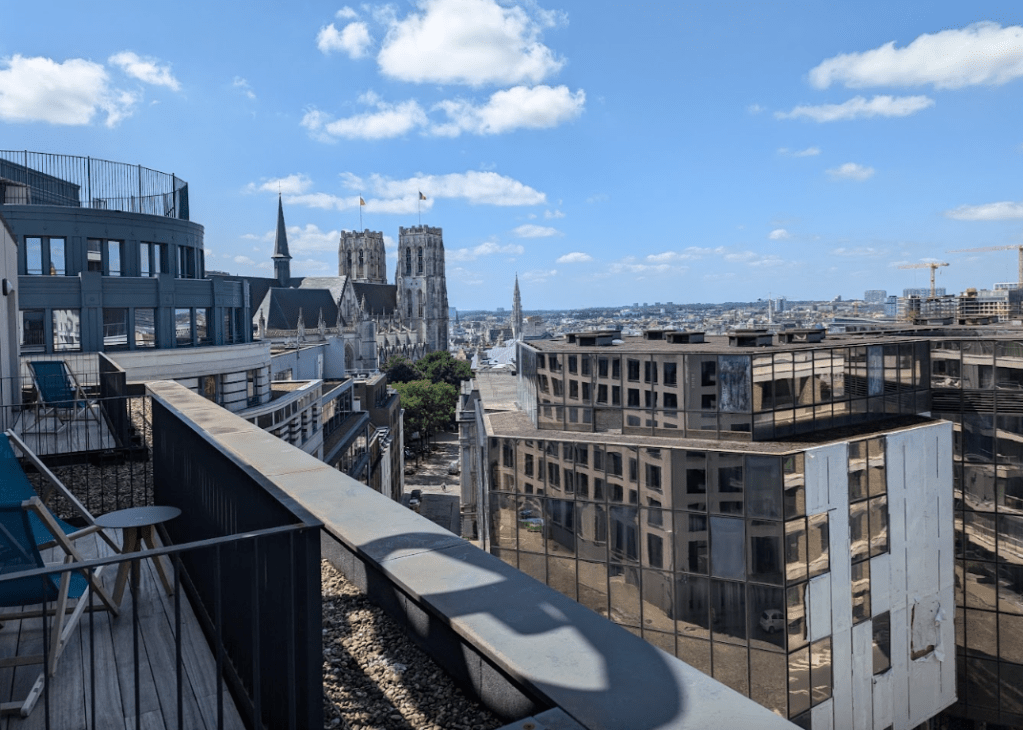

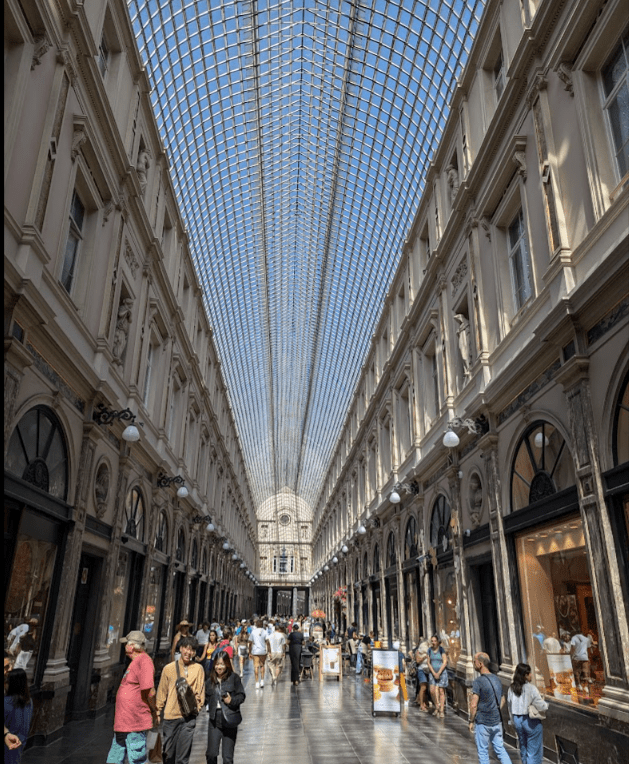
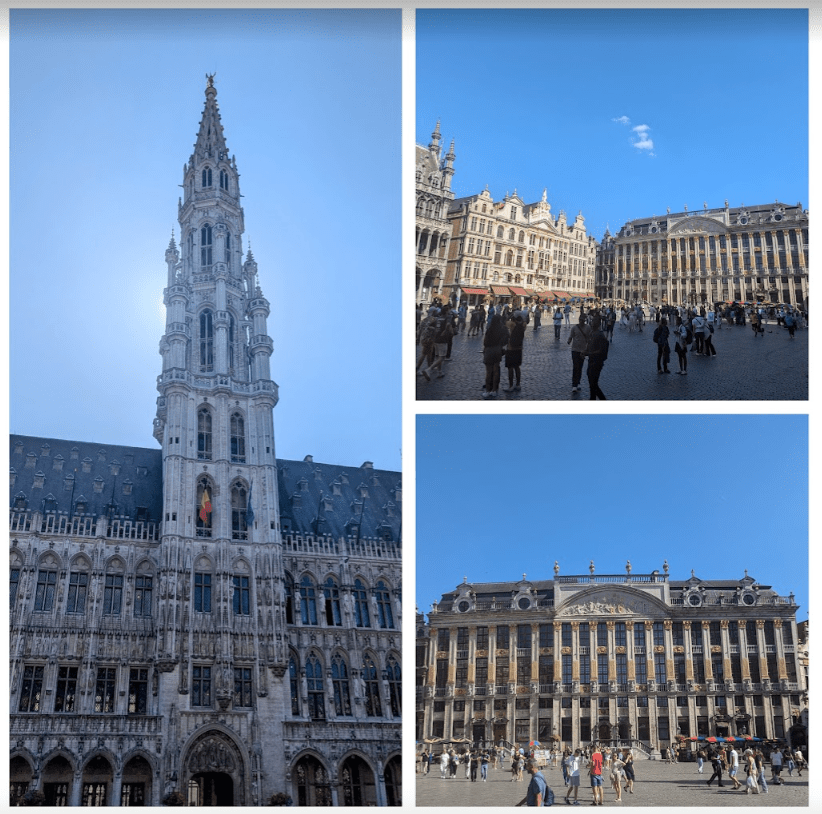


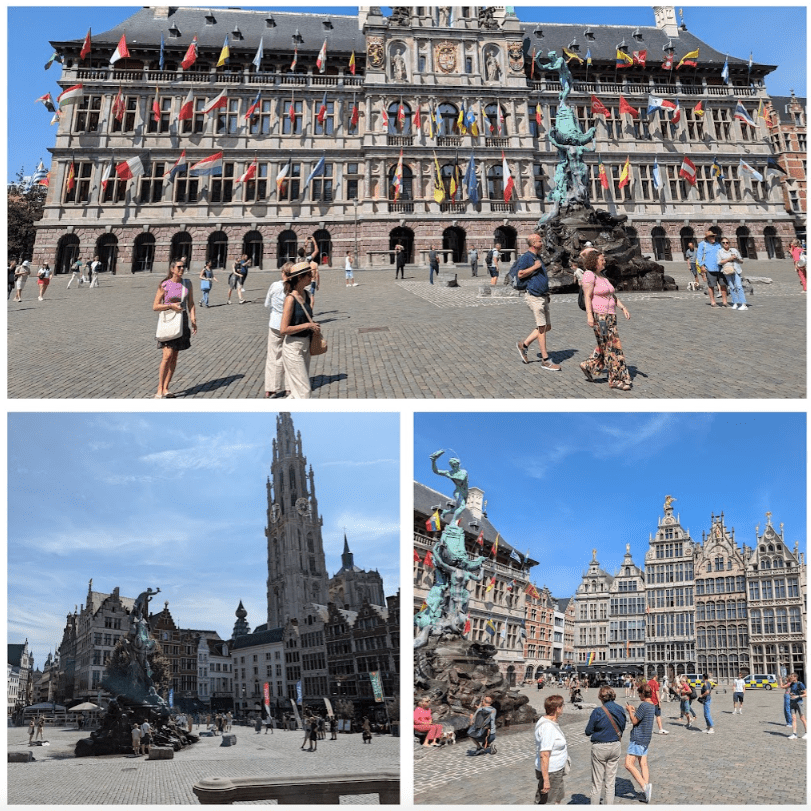
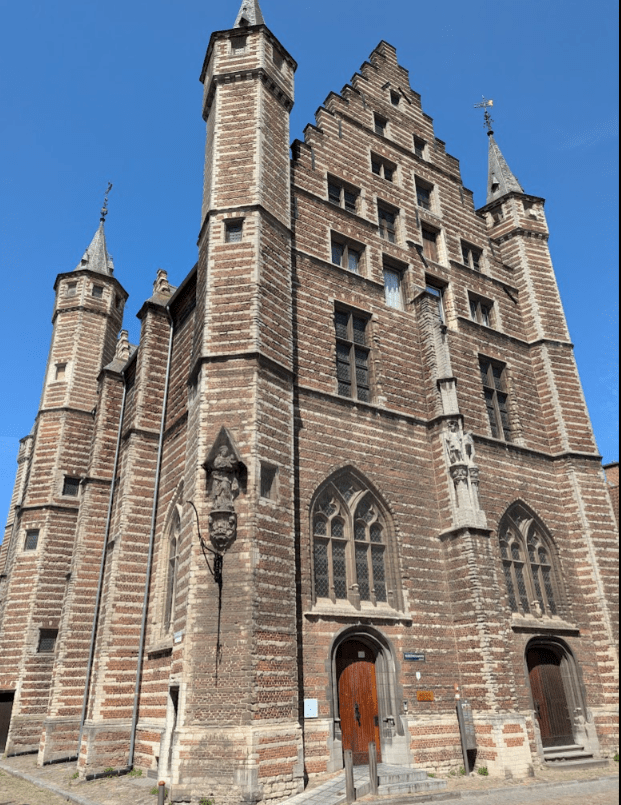
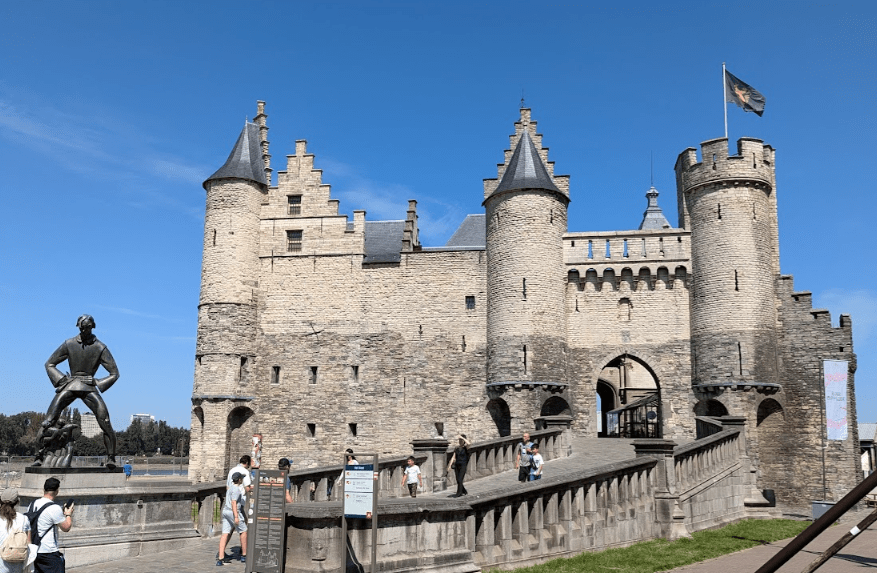
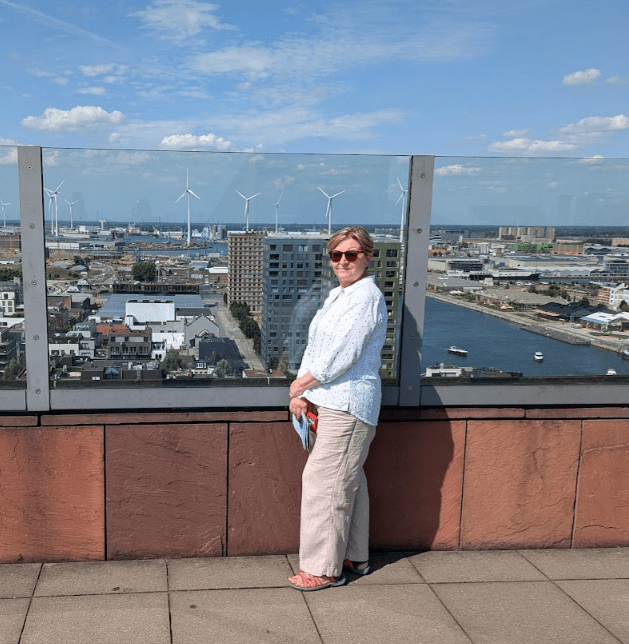
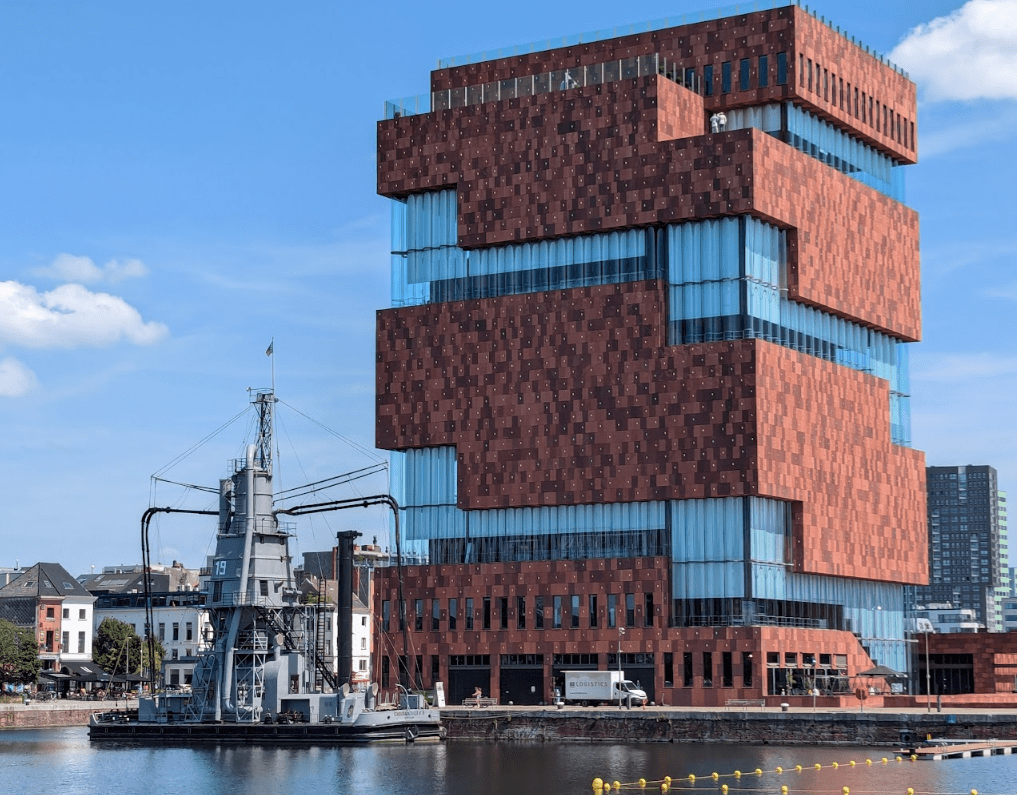
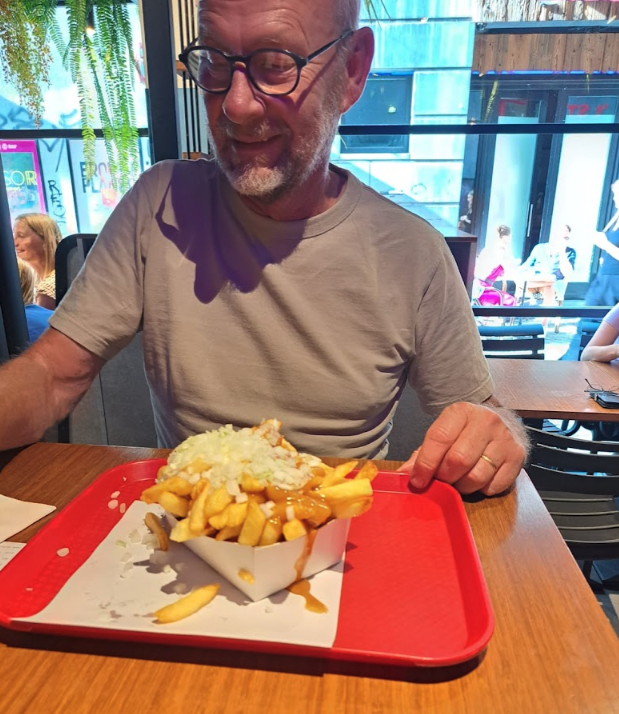
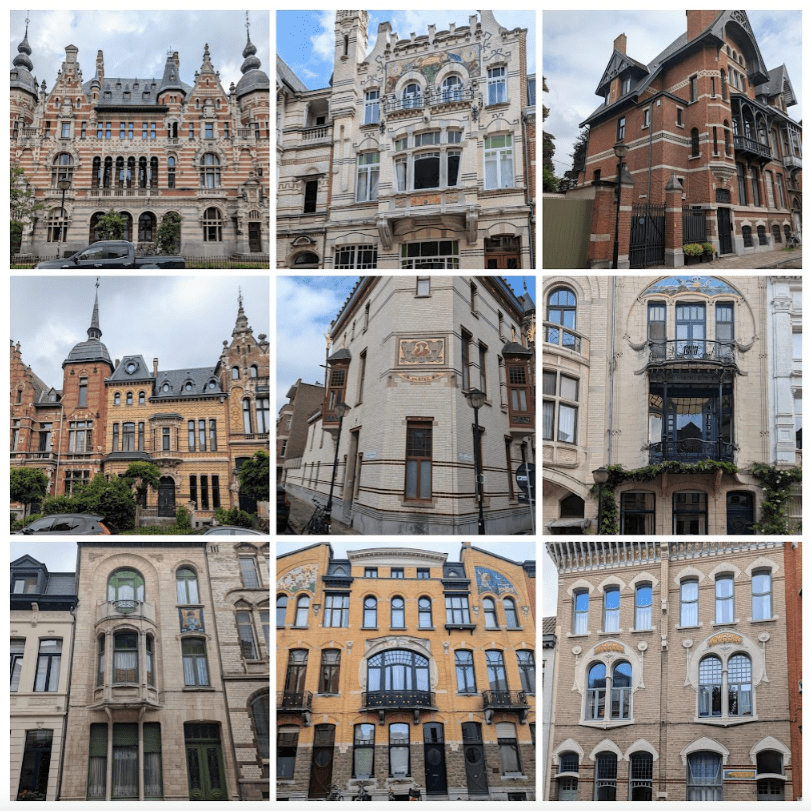
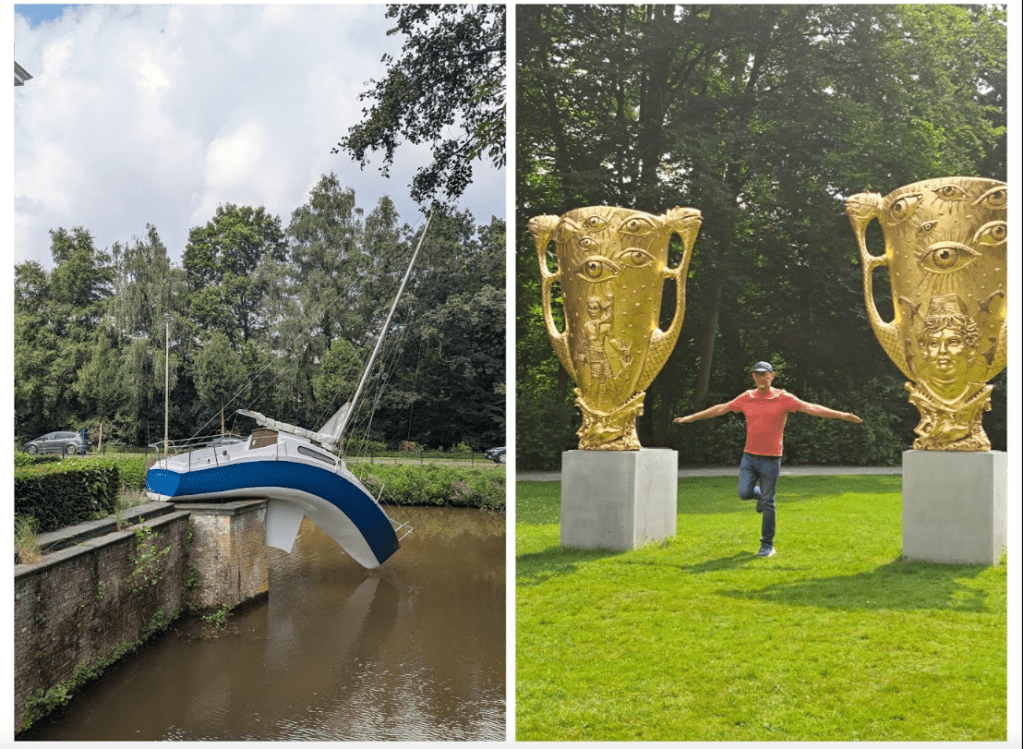
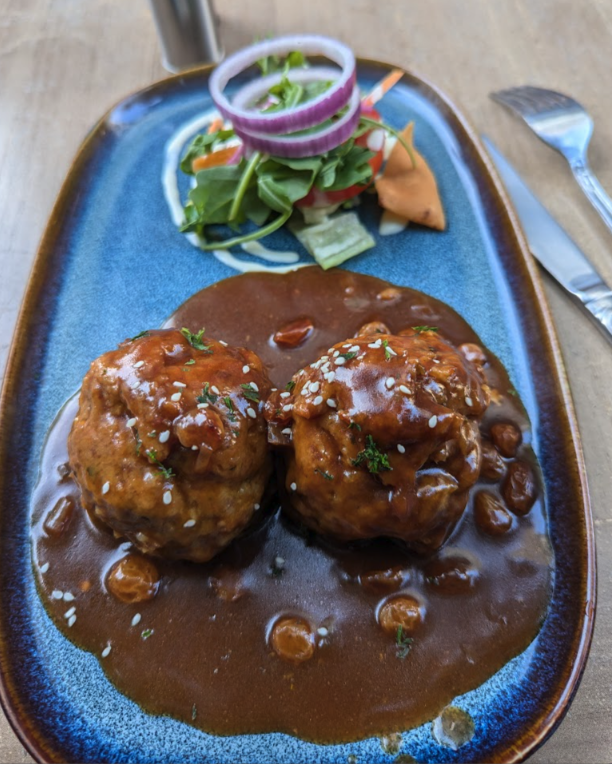
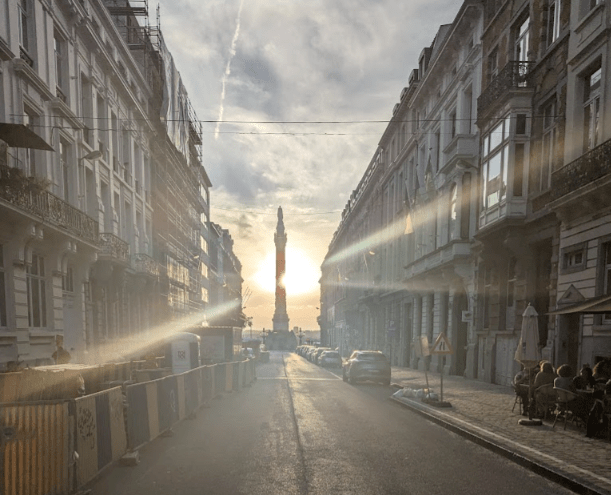


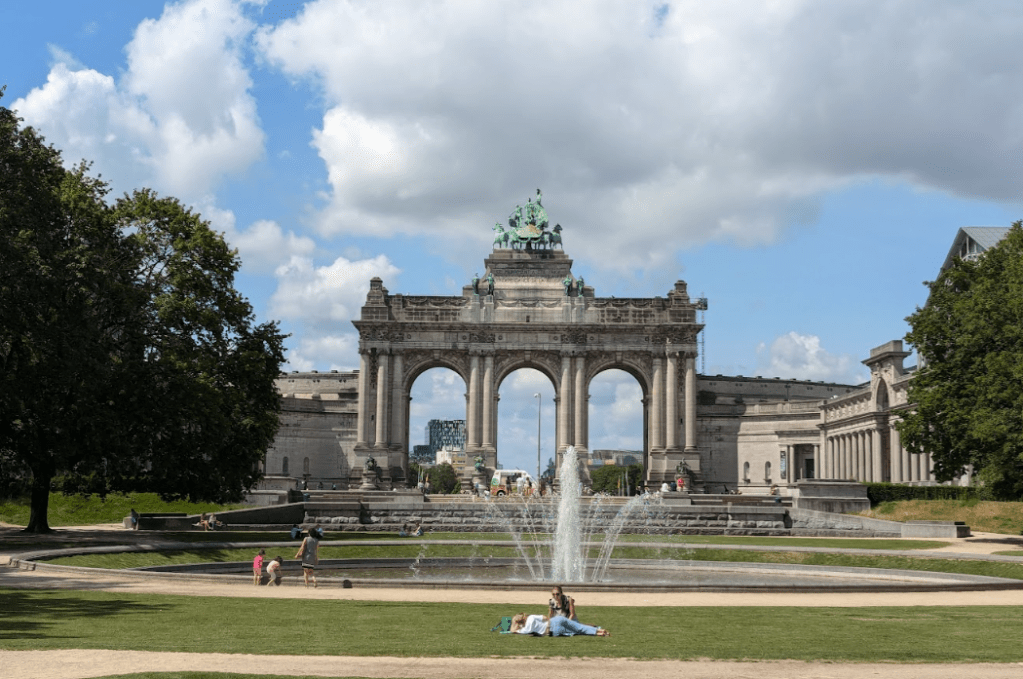
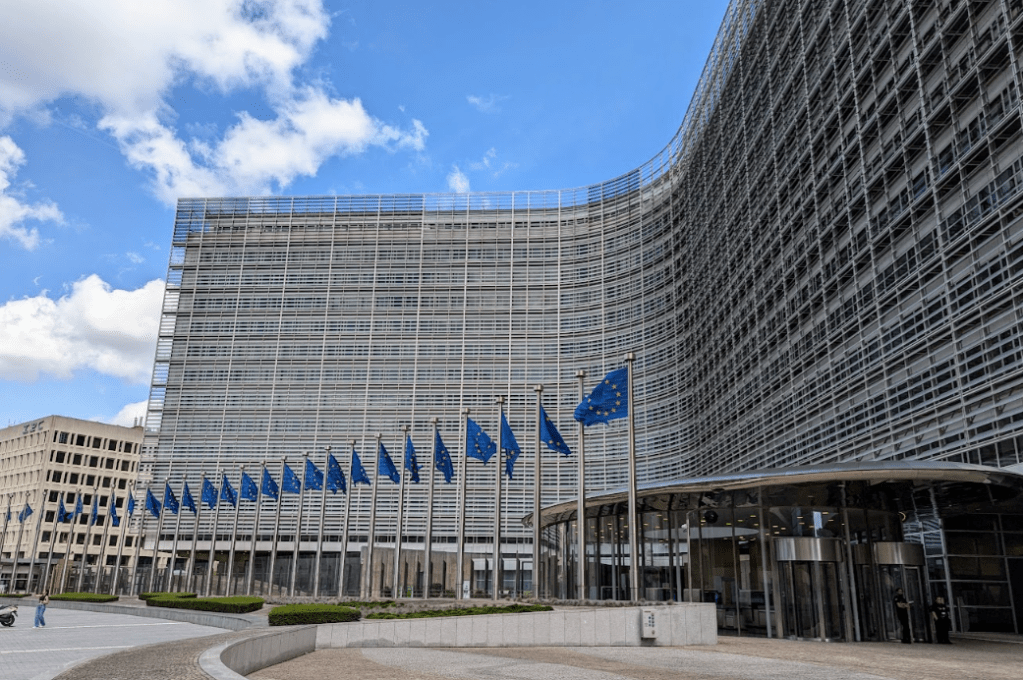

 timharnesstravels